Comparing Northern Liberties New Construction and Historic Homes
December 18, 2025
December 18, 2025
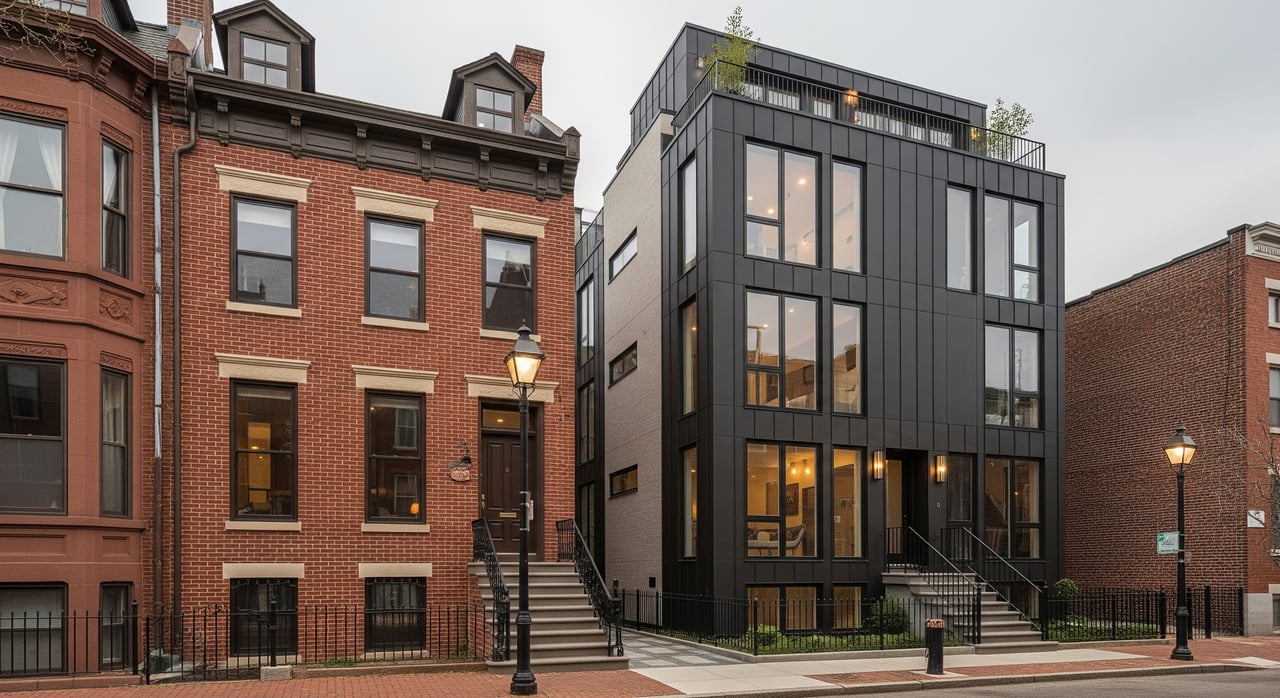
Torn between the sleek convenience of new construction and the character of a historic rowhome in Northern Liberties? You are not alone. This neighborhood blends 19th‑century brick with today’s glass and steel, so the choice often comes down to how you live day to day. In this guide, you will see a clear, apples‑to‑apples framework that compares costs, finishes, warranties, layouts, outdoor space, parking, and long‑term maintenance so you can buy with confidence. Let’s dive in.
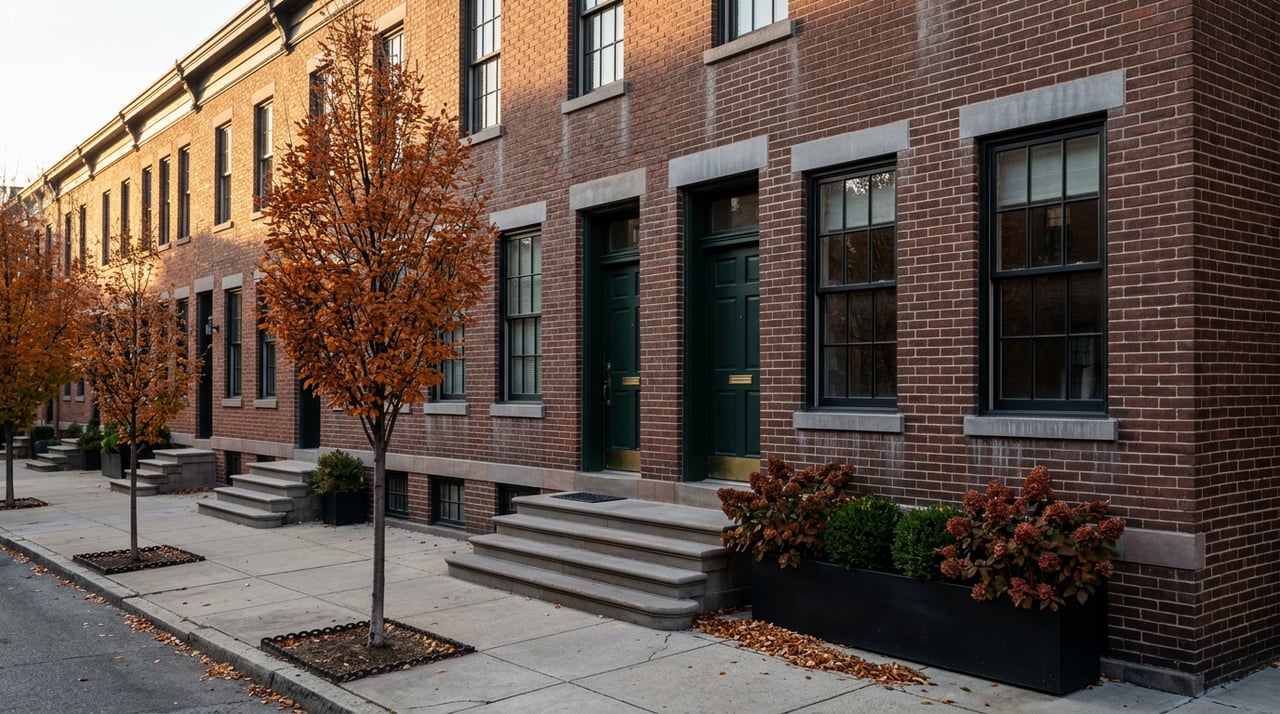
Northern Liberties is a dense, highly walkable Philadelphia neighborhood known for restaurants, parks, nightlife, and easy access to Center City. You will find renovated brick rowhomes, converted lofts, and contemporary infill townhomes on the same blocks. This mix makes it easy to compare charm with modern convenience on real tours, not just on paper. If you value urban living and short commutes, this neighborhood is built for you.
Skip vague ideas like “character” vs “modern.” Use a uniform checklist for every home you tour:
This approach keeps your comparisons fair and focused on facts that affect cost, comfort, and resale.
New construction often commands a higher price per square foot. You are paying for contemporary layouts, new systems, and warranty coverage. Many buyers value the lower near‑term maintenance and a move‑in ready experience.
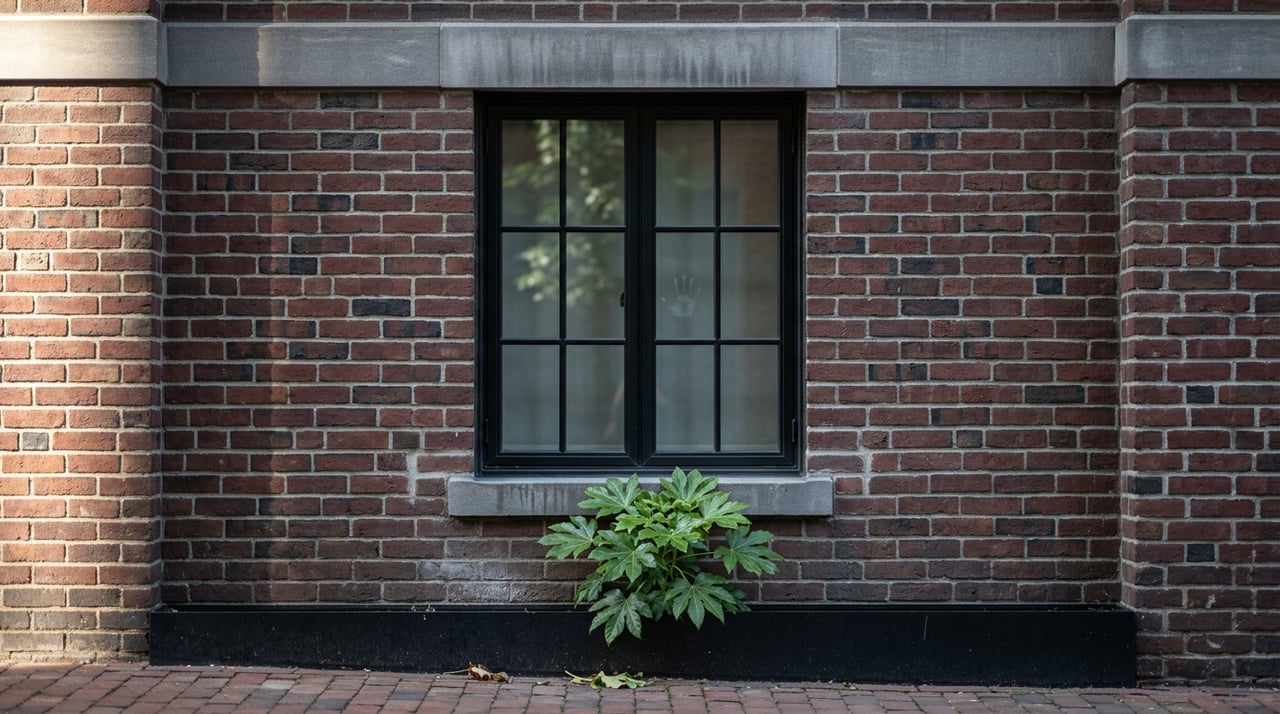
Historic rowhomes can offer a lower basis per square foot, yet immediate costs vary. Electrical upgrades, older plumbing, roof and flashing work, masonry repointing, lead paint remediation, and window repairs are common early projects. Some homes have been comprehensively modernized, which can reduce near‑term spend.
Over the first 5 to 10 years, new builds tend to have lower maintenance due to new systems and builder support. In common‑interest communities, factor in HOA fees and reserves. Historic homes have more variability. A thoughtfully renovated property can run smoothly, while legacy systems can introduce ongoing costs. Always get contractor estimates and review inspection reports before finalizing your offer.
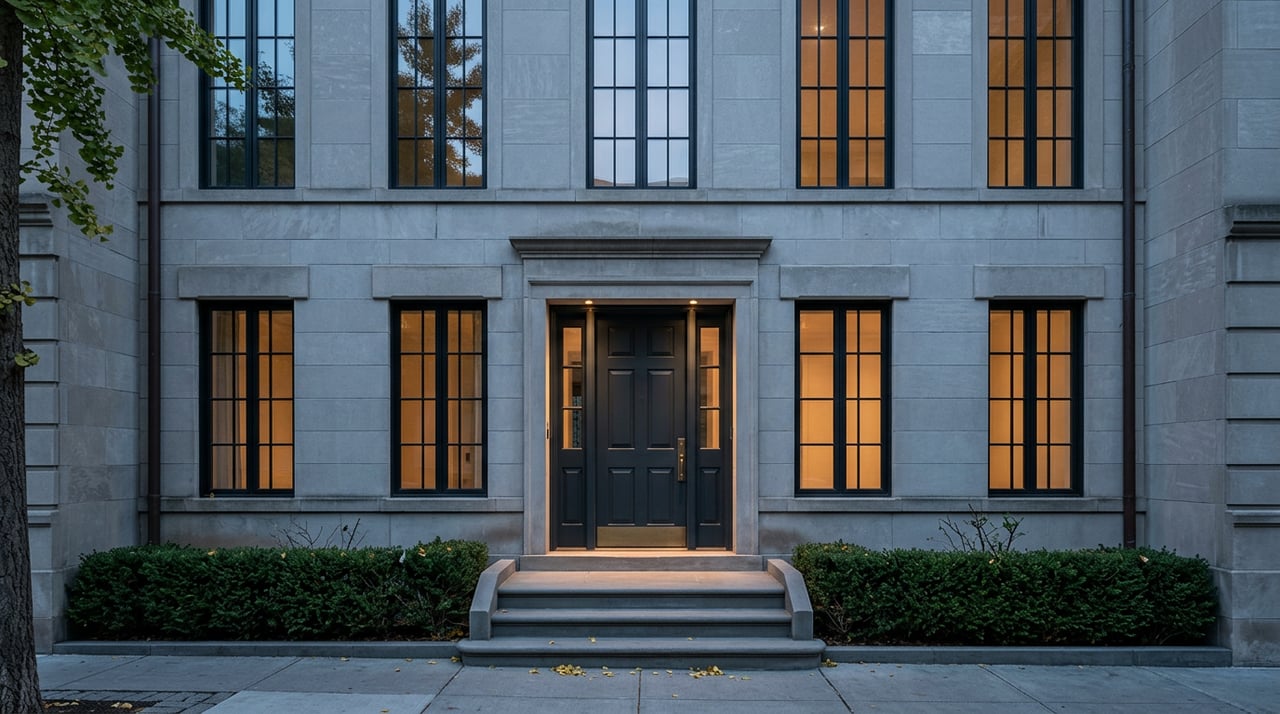
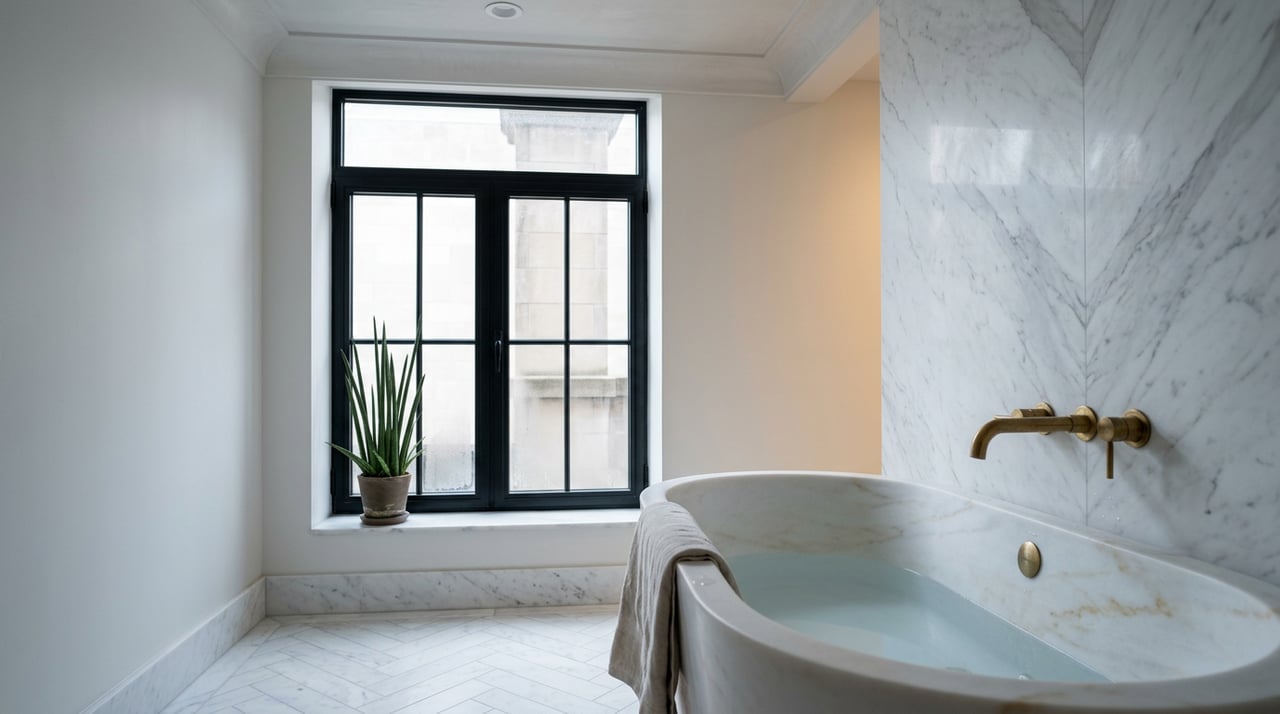
You can expect open floor plans, kitchen‑living integration, large islands, pantry storage, and generous closets. En‑suite primary bathrooms and second‑floor laundry are common. Materials often include quartz or engineered stone, soft‑close cabinetry, engineered hardwood or high‑quality LVP, recessed LED lighting, and efficient HVAC. These homes are built to current code standards, which supports energy performance and safety.
Historic properties showcase original moldings, high ceilings, plaster walls, decorative fireplaces, built‑ins, and often original hardwood floors. Many rowhomes have narrow widths and more compartmentalized rooms, such as a formal parlor and dining room. Kitchens and baths may reflect renovations completed at different times, so finishes and quality can vary widely.
Open layouts can be ideal for entertaining, working from home, and visibility across living spaces. Historic floor plans create separation and privacy, which some buyers prefer. If you want an open plan in a historic shell, confirm whether past structural changes were permitted and engineered, and whether additional work is feasible.
Many builders offer staged coverage that resembles a 1‑2‑10 structure, such as one year for workmanship, two years for systems, and ten years for major structural defects. Terms vary, so always review the written warranty, exclusions, and whether it transfers to you. Manufacturer warranties also apply to appliances, windows, and HVAC.
Older homes are often sold as‑is, with seller disclosures but no implied warranty on aging systems. You can purchase an independent home warranty that covers specific systems and appliances for a defined period. Credits or repairs can be negotiated during due diligence, but they are never guaranteed.
Rowhomes frequently offer narrow private rear yards or small patios, and stoops create neighborhood engagement. Roof decks are popular for maximizing outdoor space, and they may require permits and structural reinforcement. New construction often anticipates modern urban living with private garages or off‑street parking, terraces, and roof decks designed into the plan.
Street parking can be tight in Northern Liberties. Some blocks use permit or time restrictions. On‑site parking is a meaningful premium that affects convenience and resale. Verify parking rules and any association restrictions during due diligence.
A thorough due diligence plan protects you, regardless of property age. Recommended steps include:
Financing can differ by property type. Lenders may require certain safety standards for loans with federal backing. Deferred maintenance in older homes could need repairs before closing. New construction tends to simplify underwriting when warranties and new systems are present, while new condo buildings may require lender or condo approval. For historic properties, obtain evidence of permitted renovations, since unpermitted work can complicate financing and insurance.
Insurance can be higher on older masonry rowhomes if systems are outdated or roofs are old. New builds may earn discounts for modern safety features like sprinklers and hardwired alarms. A local insurance review early in your process is smart.
Start with your top three priorities and weigh homes against them:
Bring this list to every showing and note specifics for each property:
Both options can be excellent in Northern Liberties. New construction delivers ease, warranties, and contemporary layouts. Historic rowhomes offer texture, craftsmanship, and a sense of place you cannot replicate. Use the apples‑to‑apples checklist, complete targeted inspections, and confirm warranties and permits so your decision aligns with your lifestyle and risk tolerance.
Ready to compare specific homes and talk strategy? For boutique, concierge‑level guidance and access to off‑market opportunities, connect with Jamie Smith Raphael for a private consultation.
Stay up to date on the latest real estate trends.


3 Best Places to Go Apple Picking Near Philadelphia & Bucks County in Fall 2026
Jamie Smith Raphael, a luxury real estate agent in the Philadelphia Area with a passion for her career and clients, brings extensive industry experience, skillfully handling transactions exceeding $150 million, always prioritizing an exceptional client experience.