Rittenhouse Square Condo Pricing: What Shapes Value
February 5, 2026
February 5, 2026
Two Rittenhouse condos can have the same square footage and still sell for very different prices. If you are weighing a purchase or planning to list, that gap can be confusing. You want a clear, defensible way to value a specific home, not just a price per square foot. This guide breaks down how pricing really works in the Rittenhouse Square luxury market and what to review before you decide. Let’s dive in.
Rittenhouse Square is one of Philadelphia’s most prestigious, walkable neighborhoods, and the four‑acre park anchors daily life. Proximity to fine dining, cultural institutions, and major employers supports steady demand for high-end homes. That demand is not only local. Buyers also include regional and national clients seeking second homes.
Supply is limited and varied. You see a mix of boutique conversions, pre‑war buildings with a few large residences, and newer full‑service towers. True trophy properties, such as large park‑front units with full services, are scarce. That scarcity creates wider price dispersion, even among similarly sized homes.
Luxury demand can be cyclical. In slower periods buyers negotiate more, and in tight markets scarcity and prestige drive premiums. Reviewing recent sales, days on market, and concessions over the last 6 to 12 months helps you calibrate current conditions.
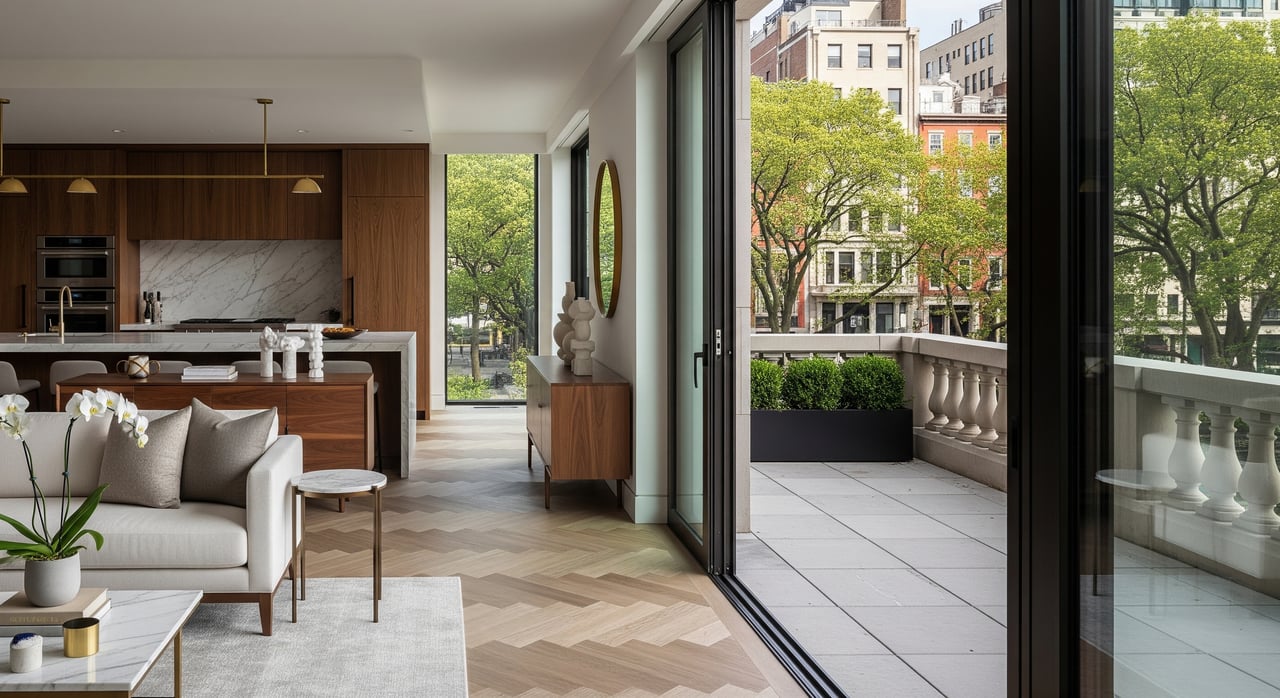
Direct views of Rittenhouse Square are among the strongest value drivers. Park‑facing exposure is permanent, marketable, and rare. Higher floors with unobstructed views also command more, while low floors or obstructed outlooks can pull value down.
Upper floors often sell for more due to light, views, and reduced street noise. Privacy features, such as single‑loaded corridors or true corner layouts, can further support pricing.
Private terraces, balconies, or roof decks are high‑value amenities. The size, privacy, and orientation of the outdoor area matter more than simply having one. Park‑adjacent outdoor space tends to amplify the premium.
A smart plan can outshine raw square footage. Clear separation between public and private spaces, balanced bedroom sizes, and strong sight lines increase value. Long or awkward corridors that reduce usable living space work against price.
High‑end appliances, stone counters, custom millwork, integrated home systems, and soundproofing are expected at the top end. Recently updated mechanicals and HVAC bolster value. Turnkey, move‑in ready condition typically trades at a premium over units that need renovation.
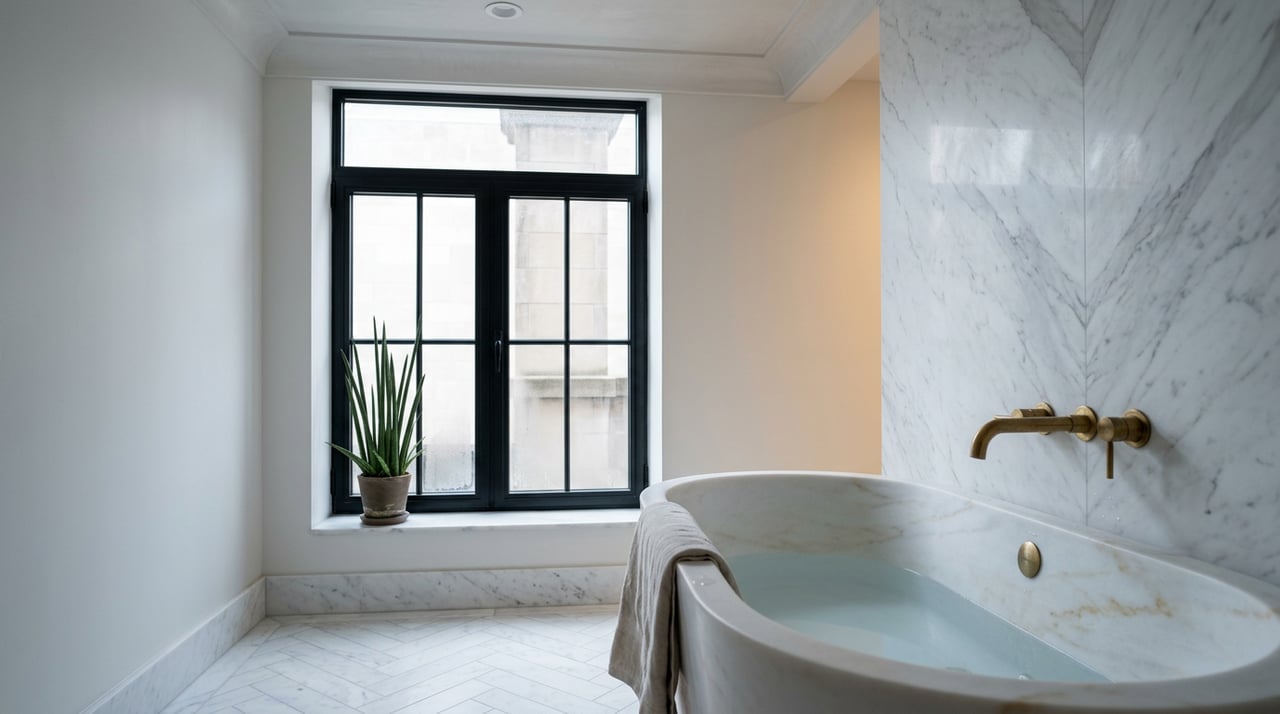
A well‑appointed primary suite with a walk‑in closet and spa‑style bath meaningfully supports pricing. Additional bathrooms and their quality also help differentiate similar units.
Dedicated storage rooms, conditioned storage, and in‑unit laundry are standard expectations. Limited storage or shared mechanical systems can reduce appeal.
A dedicated, deeded parking space in or near the building is a high‑value amenity in Center City. Value varies by whether the space is deeded, assigned, tandem, valet, or leased.
Clean title and straightforward condo documents increase marketability. Unusual restrictions or complex governing rules can shrink the buyer pool and affect price.
Full‑service buildings with 24/7 staff, valet parking, on‑site management, fitness centers, pools, and resident lounges tend to sell at higher prices. Buyers weigh these services against higher monthly fees. Boutique buildings with fewer amenities can still command premiums if they deliver privacy, excellent finishes, or a prime location.
Recognizable luxury brands, reputable developers, and notable architects often support higher resale values. Perceived long‑term quality and consistent management matter to buyers.
Strong reserves, balanced budgets, and a low history of special assessments build buyer confidence. Thin reserves or frequent assessments can create downward pressure on price.
A higher share of owner‑occupants often boosts demand among luxury buyers. Rental policy details can raise or lower appeal depending on how you plan to use the home.
Newer high‑end construction often sells at higher prices per square foot. Well‑executed historic renovations can also command top-tier pricing, especially when building systems and common areas are well maintained.
Even within a single block, values shift. Direct park access, quieter side streets, and proximity to top retail and dining create measurable differences between otherwise similar homes.
In Rittenhouse luxury condos, the comparable sales approach leads. The best comps are in the same building because they control for service level and construction. When same‑building comps are limited, use nearby buildings and treat adjustments with extra care.
PSF is a useful starting point, not the full story. In luxury product, small qualitative differences, such as a terrace or unobstructed park view, can swing PSF dramatically. Always overlay PSF with unit‑specific adjustments.
Limited comps and high variability can lead to conservative appraisals. Lenders may rely on broader data or request additional support, especially for new construction or unique trophy homes. Cash buyers face fewer appraisal constraints.
Price is only one lever. Closing timeline, contingencies, inclusions and exclusions, and seller concessions all influence net outcomes. These terms can bridge small gaps when buyer and seller valuations are close.
When you understand how view, service level, outdoor space, parking, layout, and association health combine, pricing becomes far clearer. With scarce trophy units and nuanced buildings, the quality of comps and the precision of adjustments make all the difference. If you want discretion, market education, and a well‑supported strategy, you can get both.
Ready to talk through your specific unit or target building? Connect with Jamie Smith Raphael for a private consultation tailored to Rittenhouse luxury condos.
Stay up to date on the latest real estate trends.


3 Best Places to Go Apple Picking Near Philadelphia & Bucks County in Fall 2026
Jamie Smith Raphael, a luxury real estate agent in the Philadelphia Area with a passion for her career and clients, brings extensive industry experience, skillfully handling transactions exceeding $150 million, always prioritizing an exceptional client experience.