Renovating Historic Homes In Queen Village Without Losing Charm
March 5, 2026
March 5, 2026
If you love the patina of an 1800s brick façade but want a kitchen that works for weekday life, you are not alone. Queen Village offers some of Philadelphia’s most charming rowhomes, and renovating them well can feel like a balancing act. You want comfort, efficiency, and value without erasing the details that make your home special. In this guide, you will learn how to plan a project that honors your home’s history while navigating Philadelphia’s approvals, timelines, and smart upgrade choices. Let’s dive in.
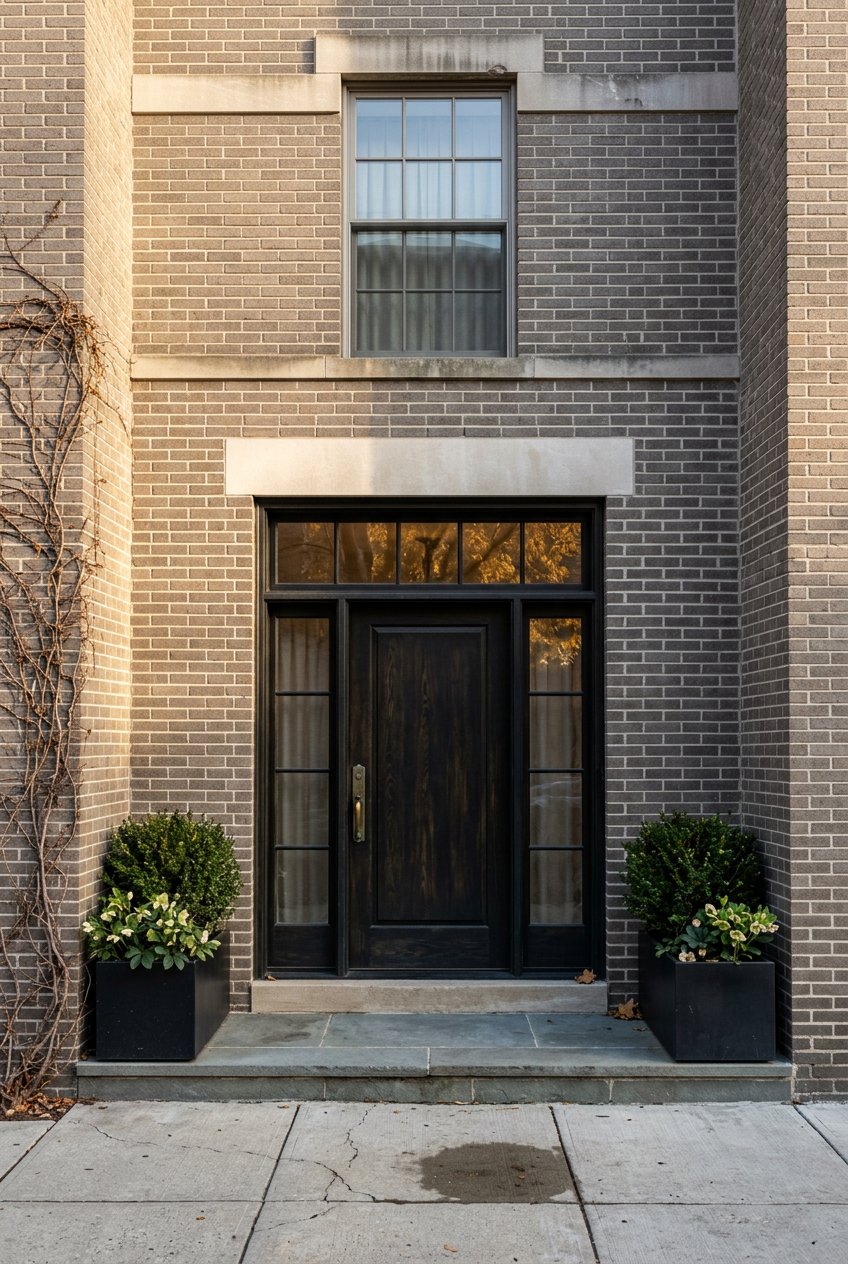
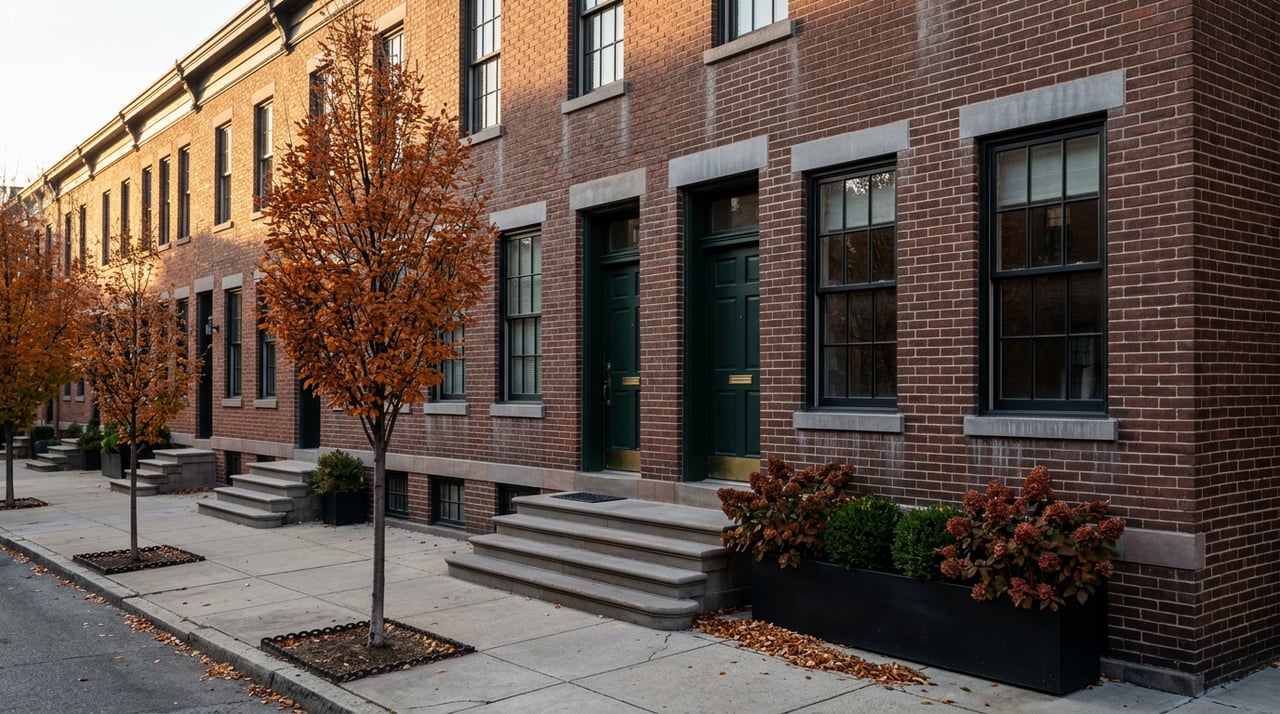
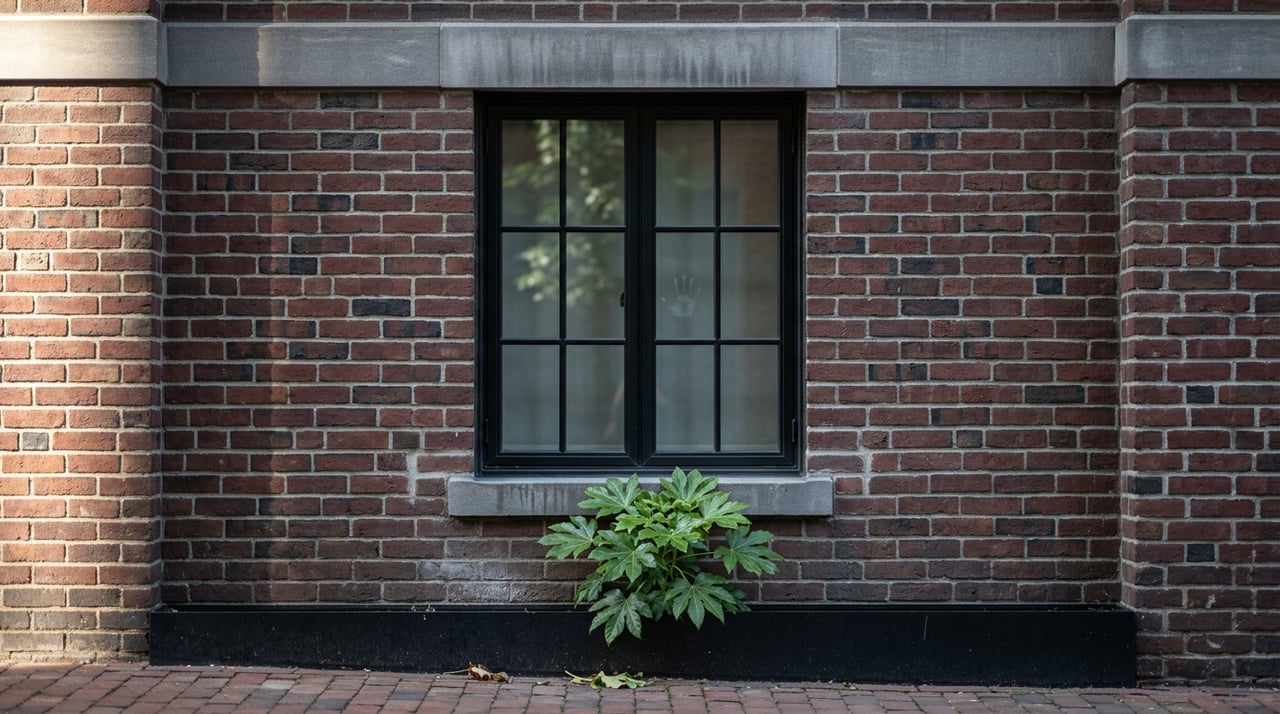
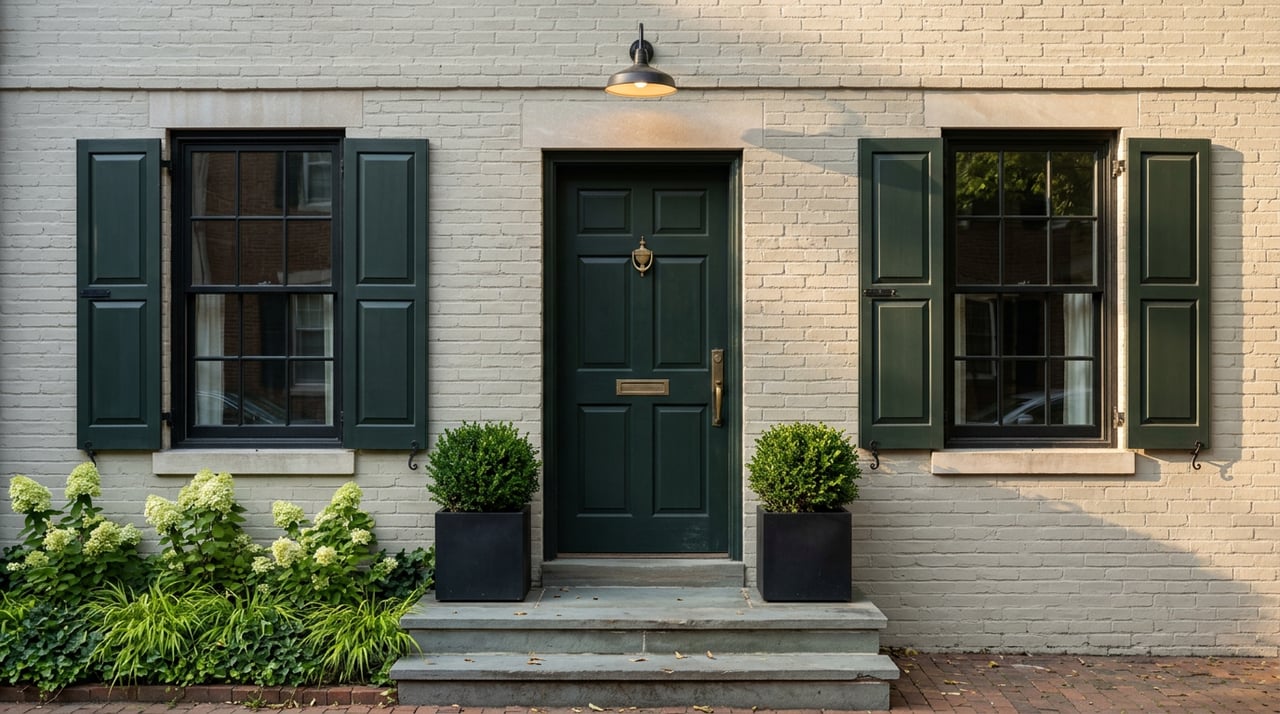
Queen Village’s streets are lined with attached brick rowhouses on narrow lots. Many façades still feature tall double-hung windows, wood cornices, original stoops, and party walls that tell the neighborhood’s story. These are the elements most buyers fall in love with and the features review bodies look at when you propose changes.
Local civic groups, including the Queen Village Neighbors Association, encourage sensitive improvements that fit the streetscape. When you understand which parts of your home are original and which are later alterations, you can plan work that respects both your lifestyle and the block’s historic rhythm.
In Philadelphia, two city processes often apply when you renovate a historic home. The Philadelphia Historical Commission (PHC) reviews exterior work on properties listed on the Philadelphia Register of Historic Places. Licenses & Inspections (L&I) issues building and trade permits. For most visible exterior work on registered properties, PHC approval should come before or alongside your permit submission.
For scope that affects what passersby can see, plan ahead. PHC’s guidance on approvals for historic properties explains when you need a review and how to prepare a complete application. If your property is on the Register, L&I typically will not issue certain permits without PHC sign-off, so align your sequence to avoid delays.
PHC staff can approve many routine applications, but larger or novel proposals go to committees or the full Commission. Staff-level reviews can take weeks, and committee or Commission cases can take multiple months. Start early, especially if your project includes windows, cornice work, or any visible addition. Beginning work without required PHC review or L&I permits can lead to stop-work orders and fines, and you may be ordered to reverse the changes.
Start with a thorough look at what you have. Collect any older PHC approvals, past L&I permits, repair invoices, and historic photos. A condition assessment by a preservation-aware inspector or architect should cover masonry, roof and flashing, cornice and trim, window sash and glazing, stoops, and party walls. Hidden moisture at cornices and roof-to-wall junctions is a frequent surprise, so document carefully.
If you are unsure whether your home is listed on the Philadelphia Register, confirm that early. The PHC maintains an interactive list of designated properties that tells you what rules apply when you plan exterior work.
Most Queen Village houses predate 1978. If you disturb painted surfaces in a pre-1978 home, federal rules apply to contractors. The EPA Renovation, Repair and Painting rule requires an EPA Lead-Safe Certified firm with a Certified Renovator on site, along with specific work practices and recordkeeping. Review the EPA’s RRP program overview and confirm your contractor’s certification before you sign. Older insulation, pipe wrap, floor tiles, and mastics may contain asbestos, so test suspect materials and use licensed abatement when required.
Older homes can hide structural or water issues that emerge once walls open up. Many preservation advisors suggest building a 10–20% contingency into your budget and allowing extra time for reviews and custom materials. For a deeper primer on what to expect, see this overview on historic home basics for Queen Village buyers. Tie contractor payments to milestones to keep scope and costs on track.
Thoughtful renovations follow a simple rule: repair before replace. When replacement is necessary, match historic materials, profiles, and sightlines, and make new work visually compatible and reversible where possible. These principles align with national preservation standards and set you up for smoother reviews.
Historic wood sash often can be restored. Skilled tradespeople can repair, weather-strip, and re-glaze original windows, then add interior or exterior storms for comfort and energy performance. The National Park Service explains techniques and performance options in its brief on repairing wooden windows. If replacement is truly needed on a street-facing elevation, PHC typically expects the new units to match the original operation, muntin profiles, and sightlines.
Brick and brownstone are character-defining in Queen Village. Repointing should use a compatible lime-based mortar matched by testing, not a hard Portland mix that can damage older brick. The NPS brief on repointing mortar joints outlines testing, selection, and proper tooling. For stoops, seek consolidation or in-kind repair over wholesale replacement. Wood or pressed-metal cornices and visible roof materials draw review attention, so plan for specialized trades and proper staging.
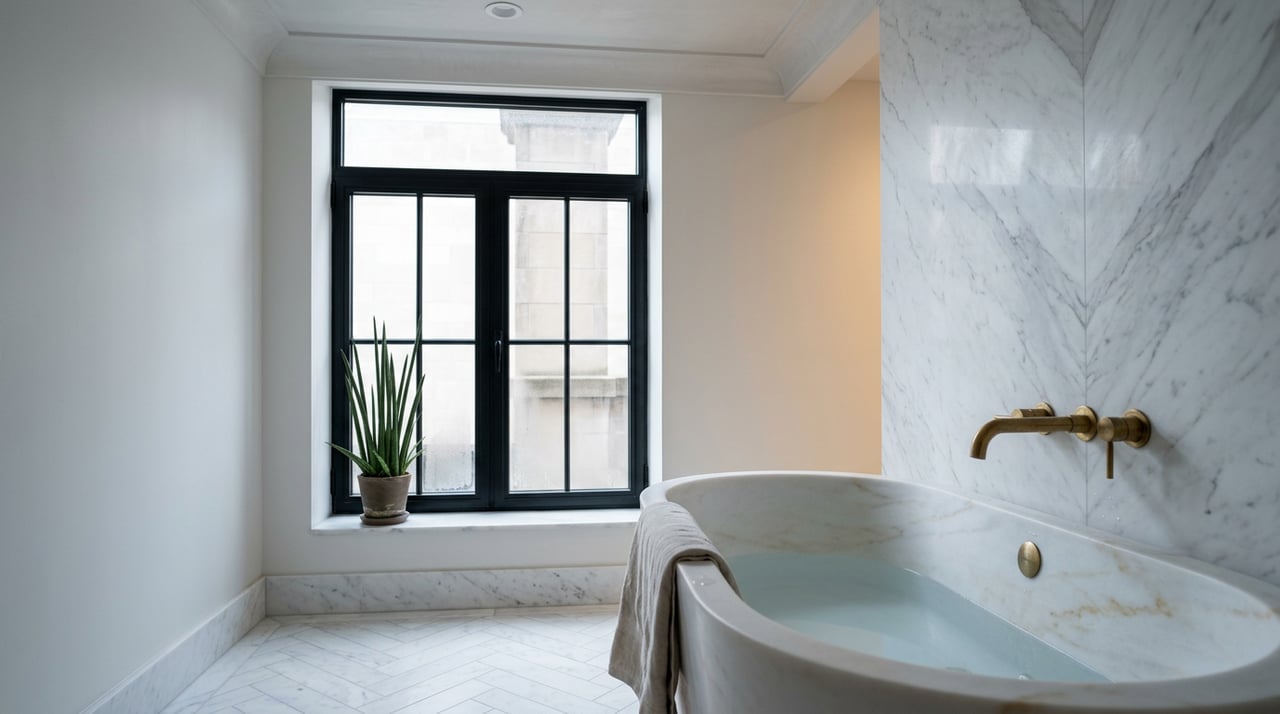
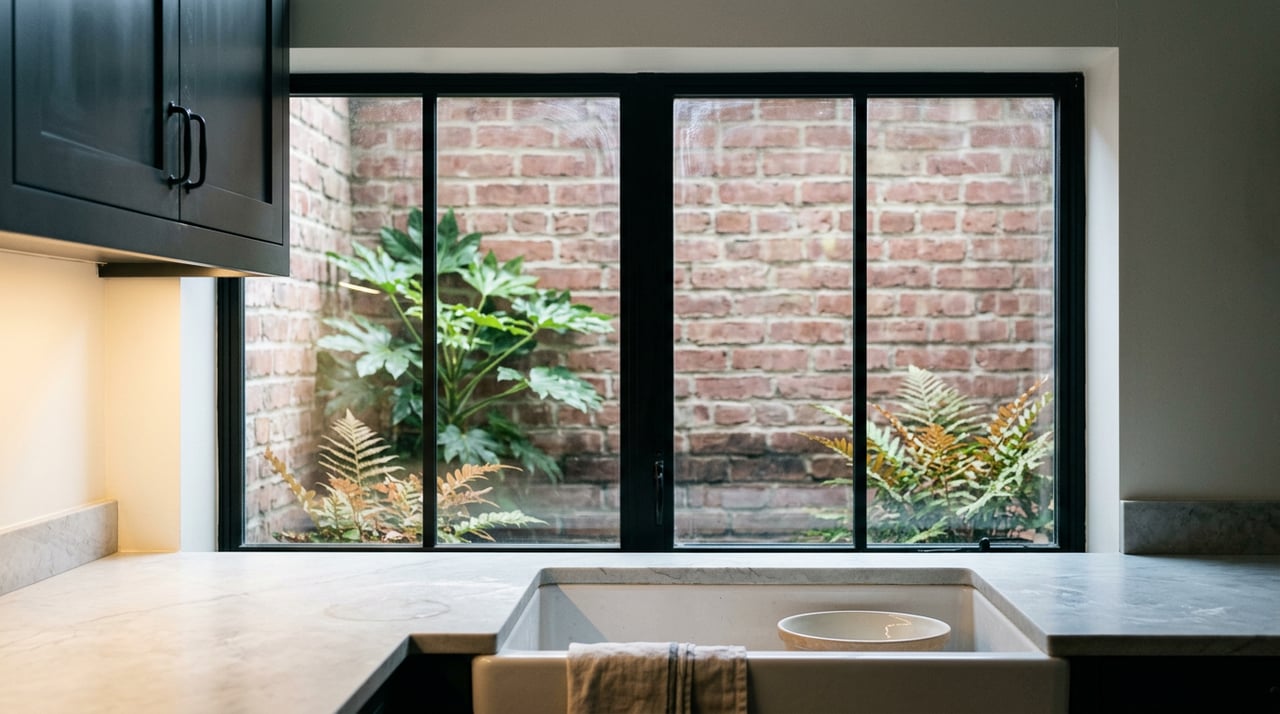
You have flexibility inside, but try to preserve character-defining interiors like stair halls, plaster, and moldings. Keep plumbing and electrical routing efficient to limit invasive structural work. If your kitchen or bath plan changes window openings or adds a visible addition, factor in PHC review.
Start with air sealing, attic insulation, and restored windows with storms before major façade changes. Sensitive interior insulation and discreet placement of mechanical equipment can improve comfort without impacting the exterior. Solar or rooftop equipment may be considered if minimally visible from public streets.
Rear-yard additions and rooftop decks may be possible if they remain minimally visible from the street and are clearly differentiated from the historic fabric. Expect PHC and L&I to review additions. Street-visible fences and paving also fall under PHC’s purview, so include them in your early planning and documentation.
For public-facing projects or larger scopes, a preservation-experienced architect or consultant can save time and stress. They will help you interpret standards, assemble a strong PHC package, and coordinate drawings and specs. Choose a licensed general contractor with experience in Philadelphia’s L&I procedures and historic trades like window conservation, cornice repair, and specialty masonry. Ask for past PHC approvals and photos of similar work, and verify licensing and insurance.
A clean sequence helps you stay on schedule:
Early design and a pre-application chat with PHC staff if your work is visible from the street.
Submit a complete PHC package and secure approvals at staff level or, if needed, committee or Commission level. Review PHC’s approval process for historic properties for required photos, drawings, and specs.
Apply for L&I permits, uploading PHC-stamped plans in the city’s eCLIPSE portal when required. Schedule your contractor and order long-lead materials once permits are in motion.
Proceed with construction and inspections. Keep the PHC decision letter and stamped plans with your permit set on site.
Buyers drawn to Queen Village often value original woodwork, mantels, tall windows, and a well-cared-for façade as much as a sleek kitchen. Homes that retain visible historic elements while offering reliable systems tend to show and photograph better, which can translate into stronger demand. Document your restoration work and approvals, organize contractor warranties, and highlight preserved features in your listing remarks. These steps give buyers confidence and help your home stand out.
Ready to modernize with care? For discreet guidance on scope, vendors, approvals, and how to position the finished home for top-market sale, connect with Jamie Smith Raphael. A private consultation brings concierge coordination and neighborhood expertise to every step.
Stay up to date on the latest real estate trends.

3 Best Places to Go Apple Picking Near Philadelphia & Bucks County in Fall 2026
Jamie Smith Raphael, a luxury real estate agent in the Philadelphia Area with a passion for her career and clients, brings extensive industry experience, skillfully handling transactions exceeding $150 million, always prioritizing an exceptional client experience.