How Private Parking Impacts Value in Fitler Square

January 1, 2026

Circling the block after a long day is nobody’s idea of luxury. In Fitler Square, where curb space is tight and homes are close to everything, private parking can feel like a secret weapon. Whether you are listing your home or weighing a purchase, understanding how deeded spaces, alley garages, and shared parking shape value helps you make a confident move. In this guide, you will learn what each parking type means in practice, how it influences price and time on market, and the due diligence steps that protect your outcome. Let’s dive in.

Parking types in Fitler Square

Deeded private parking

A deeded space conveys with the property title, either as part of the deed or as a separately deeded condo unit. You own it, which reduces assignment risk and simplifies resale. It is typically the easiest to market because ownership is exclusive and clear.

Alley garages

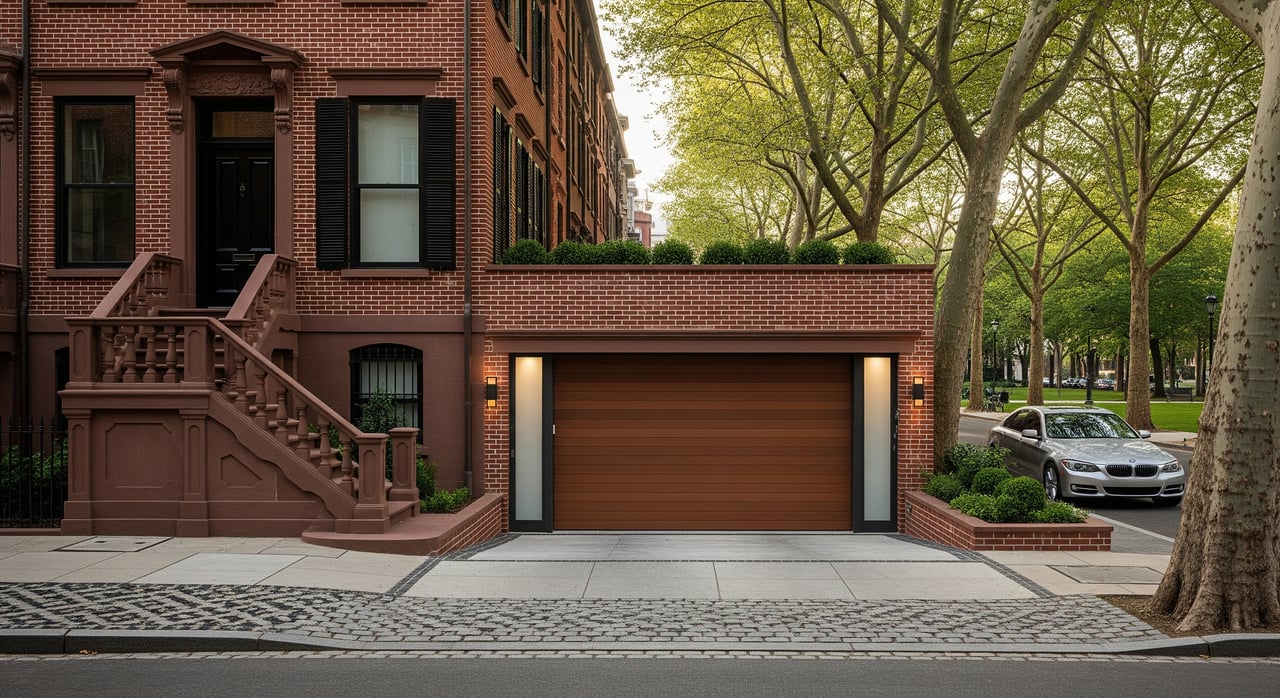
These are rear garages accessed through the neighborhood alley network. Value hinges on access width, turning radius, door condition, and documented easements. When access is reliable and title is clean, an alley garage often approaches the value of deeded garage space.

Shared or assigned HOA and condo parking

In some condo communities, the association owns the parking and assigns spaces by rule. Transferability, permanence of the assignment, guest parking rules, and any rental income or fees all affect value. Buyers respond best when the assignment is secure and clearly transferable.

Surface driveway or off‑street pad

A paved pad or driveway provides off‑street convenience without the protection of a garage. It can still be deeded and valuable, especially where curb parking is limited.

Tandem or stacked parking

Two spots end to end in a single space. This arrangement reduces convenience because one car blocks the other, so it is typically valued less than side‑by‑side parking.

No off‑street parking

Many Center City homes rely on street parking or nearby commercial garages. Car‑free buyers may accept this easily. Buyers who drive regularly often place a higher value on secure, off‑street options.

How parking affects price, time, and demand

Deeded parking: strong premium

  • Pricing: Often commands the highest premium because it transfers with title and reduces risk.
  • Days on market: Clear deeded parking can shorten market time when marketed well.
  • Demand: Strong among buyers who rely on a car and want certainty.

Alley garages: value depends on access

  • Pricing: A secure, functional alley garage is valuable; unclear easements or tight access reduce value.
  • Days on market: Typically faster than similar homes with no off‑street parking.
  • Demand: High when access and security are straightforward.

Shared or assigned HOA parking: clarity matters

  • Pricing: Permanent, transferable assignments are more valuable than temporary or rotational arrangements.
  • Days on market: Clear, reliable assignment can speed a sale; unclear terms can slow it.
  • Demand: Buyers prefer predictable, reserved spaces over first‑come systems.

Surface pads and driveways: convenience premium

  • Pricing: Adds value compared with street parking only, though less than a secure garage.
  • Days on market: Can improve buyer interest, especially when curb parking is tight.
  • Demand: Appeals to buyers who want off‑street convenience without garage upkeep.

No off‑street parking: potential discount

  • Pricing: Often trades at a discount versus comparable homes with secure parking. The size of the discount depends on scarcity and overall demand.
  • Days on market: Can be longer when many buyers own cars, and less affected in transit‑oriented micro‑markets.
  • Demand: Lower among frequent drivers, higher among buyers who prioritize walkability.

Appraisals, lending, and taxes

Appraisal and comparable sales

Appraisers adjust value based on comparable sales that match parking type. The best comps are nearby homes of similar size and style that mirror the parking situation. When true comps are scarce, adjustments become judgment based and can vary by appraiser.

Lender treatment and condo reviews

Lenders rely on what the deed conveys. Deeded parking is treated as part of the collateral. If a space is only assigned or licensed, underwriters may discount its value contribution. In condo buildings, lenders often review condo documents for parking rules and how assignments work.

Property tax and assessments

Separately deeded parking may appear as a separate line on the tax bill. This affects annual carrying costs and should be disclosed and modeled in your budget.

Insurance and maintenance

Garages and shared structures can carry insurance or maintenance obligations. Special assessments tied to parking facilities are relevant to both price and negotiation.

Income potential

If a parking space can be rented to others, you can view it as an income‑producing asset. Buyers and appraisers typically value this income conservatively in urban residential contexts.

Due diligence checklist

Sellers: prepare to prove the value

  • Gather deeds for the home and any separately deeded parking units.
  • Provide the plat, legal description, and location details for the space.
  • Offer a title report that confirms easements, encumbrances, and alley rights.
  • Share condo or HOA declarations, bylaws, and parking rules if applicable.
  • Include recent tax bills, meeting minutes, and financials noting any parking‑related fees or assessments.
  • Document any off‑site parking leases or licenses and whether they can transfer.

Buyers: verify before you commit

  • Confirm whether the parking is deeded, assigned, or licensed, and how it transfers.
  • Review condo or HOA documents for assignment rules, guest policies, and any ability to reassign or rent spaces.
  • Verify easements, alley rights‑of‑way, and any shared maintenance obligations.
  • Measure access, turning radii, and door widths for alley garages to ensure everyday usability.
  • Check lighting and wayfinding for rear lots or shared areas to understand practical conditions.

Strategy for sellers

  • Lead with documentation. Clear title and assignment details reduce uncertainty and support a premium.
  • Showcase access and usability in photos. Include the garage door, alley approach, and key measurements.
  • Price for the amenity. Use comps with similar parking to justify the premium.
  • Offer transition solutions if needed. Consider a short‑term leased spot or a written HOA assignment period to bridge any ambiguity.
  • Disclose HOA rules and any parking assessments early to avoid delays.

Strategy for buyers

  • Quantify alternatives. Compare the price premium for deeded parking to the annual cost of renting a nearby garage or relying on street permits and citations.
  • Protect with contingencies. Seek credits or price adjustments if title or assignment terms are unclear.
  • Confirm transferability. In a condo, insist on written confirmation that your assigned space will transfer at closing and under what conditions.
  • Prepare appraisal support. Share nearby comps and documentation that show the market’s preference for secure parking in Fitler Square.

When a home has no parking

If you are listing without off‑street parking, focus on lifestyle and alternatives. Highlight proximity to transit corridors and nearby commercial garages, plus typical monthly options when available. Set expectations early so serious buyers can make informed comparisons.

Putting a number on the premium

Parking premiums vary with scarcity, transferability, and condition. In a compact neighborhood like Fitler Square, deeded or secure alley parking usually boosts appeal and can speed a sale. The most reliable way to estimate value is to compare recent nearby sales with the same unit type and parking status, then layer in any ongoing costs or assessments associated with the space.

The bottom line

In Fitler Square, private parking is both a lifestyle upgrade and a market lever. The clearer the ownership and the easier the access, the stronger the pricing power and the smoother the sale. Whether you are selling or buying, documentation and local comps are your best tools for capturing value and reducing surprises.

Ready to talk through your options or value your parking premium with precision? Connect with Jamie Smith Raphael for a private consultation.

FAQs

How does deeded parking affect value in Fitler Square?

  • Deeded spaces typically carry a premium versus no parking because they transfer with title and reduce buyer uncertainty; the exact amount depends on local comps.

Are alley garages as valuable as covered garages in Fitler Square?

  • Often, when access is reliable and title is clear; narrow access or unclear easements can reduce the premium compared with a conventional garage.

Is assigned HOA parking as valuable as deeded in Fitler Square condos?

  • It depends on permanence and transferability; permanent, clearly transferable assignments are more valuable than temporary or rotational systems.

Should I buy a Fitler Square home without parking if I drive?

  • Compare the premium for a unit with parking to the annual cost and convenience of alternatives like commercial garage rental and time spent finding street parking.

What if an alley easement issue appears during due diligence?

  • Treat it as a material issue; seek resolution, disclosure, or a price or credit adjustment to reflect the risk and potential delays.

Work With Me

Jamie Smith Raphael, a luxury real estate agent in the Philadelphia Area with a passion for her career and clients, brings extensive industry experience, skillfully handling transactions exceeding $150 million, always prioritizing an exceptional client experience.