Historic Home Basics in Queen Village: What Buyers Should Know
January 15, 2026
January 15, 2026
Love the look of a brick rowhome with a classic stoop and tall windows? Queen Village delivers that charm in spades. Buying one of these historic homes is exciting, but it also comes with unique materials, maintenance needs, and approval steps you will want to understand before you write an offer. This guide walks you through what to look for, what approvals you may need, how to budget, and how to set a realistic timeline so you can enjoy the character without surprises. Let’s dive in.
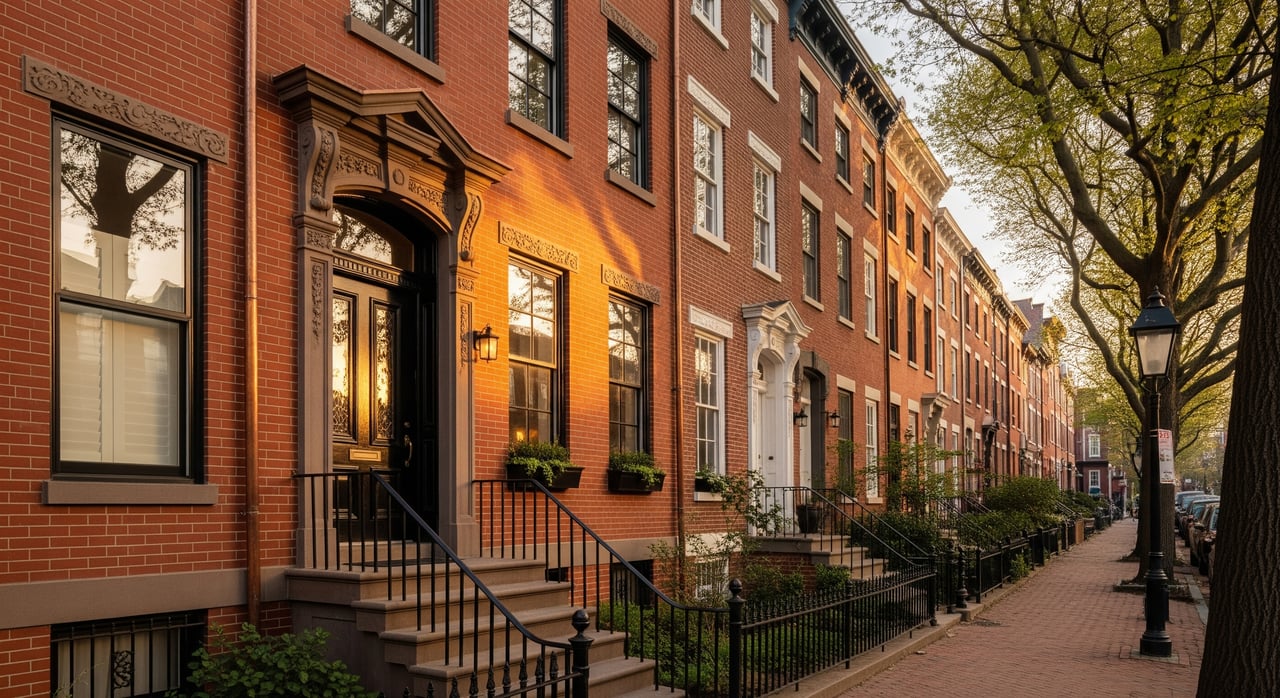
Queen Village is one of Philadelphia’s oldest neighborhoods. Many homes date to the 18th and 19th centuries and were built as narrow, attached rowhouses. Over time, some have been updated while others retain original details.
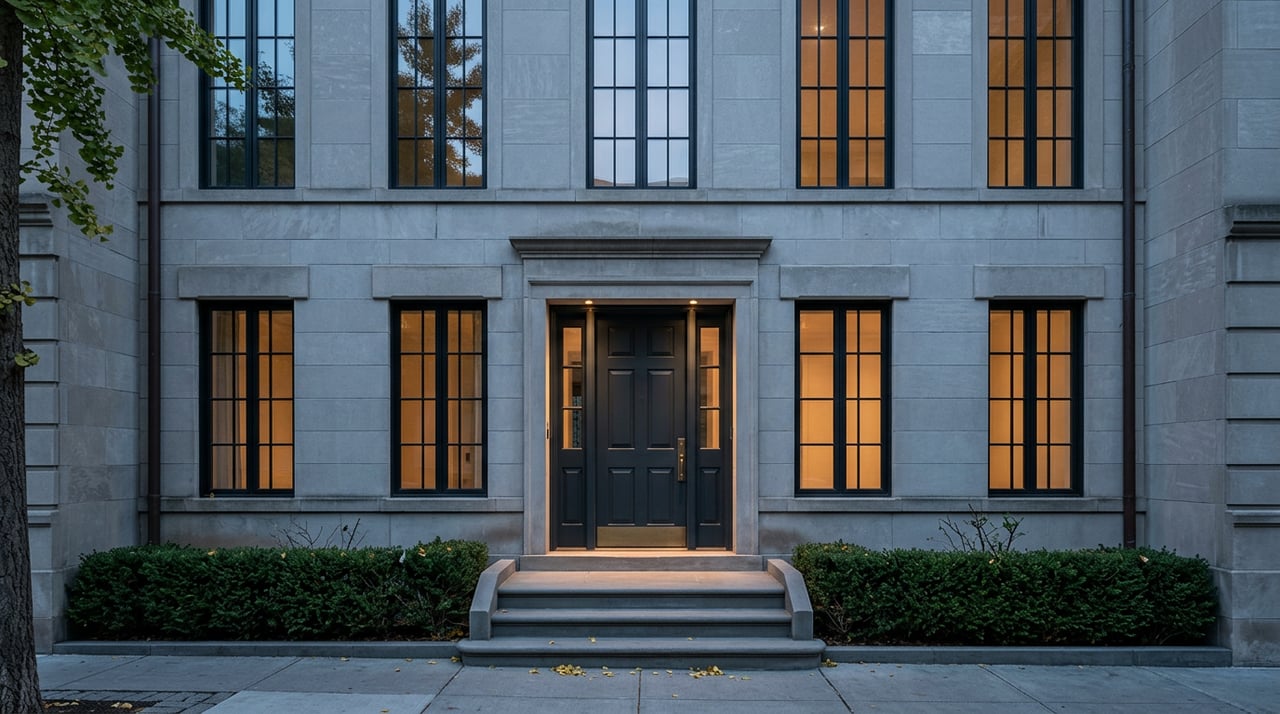
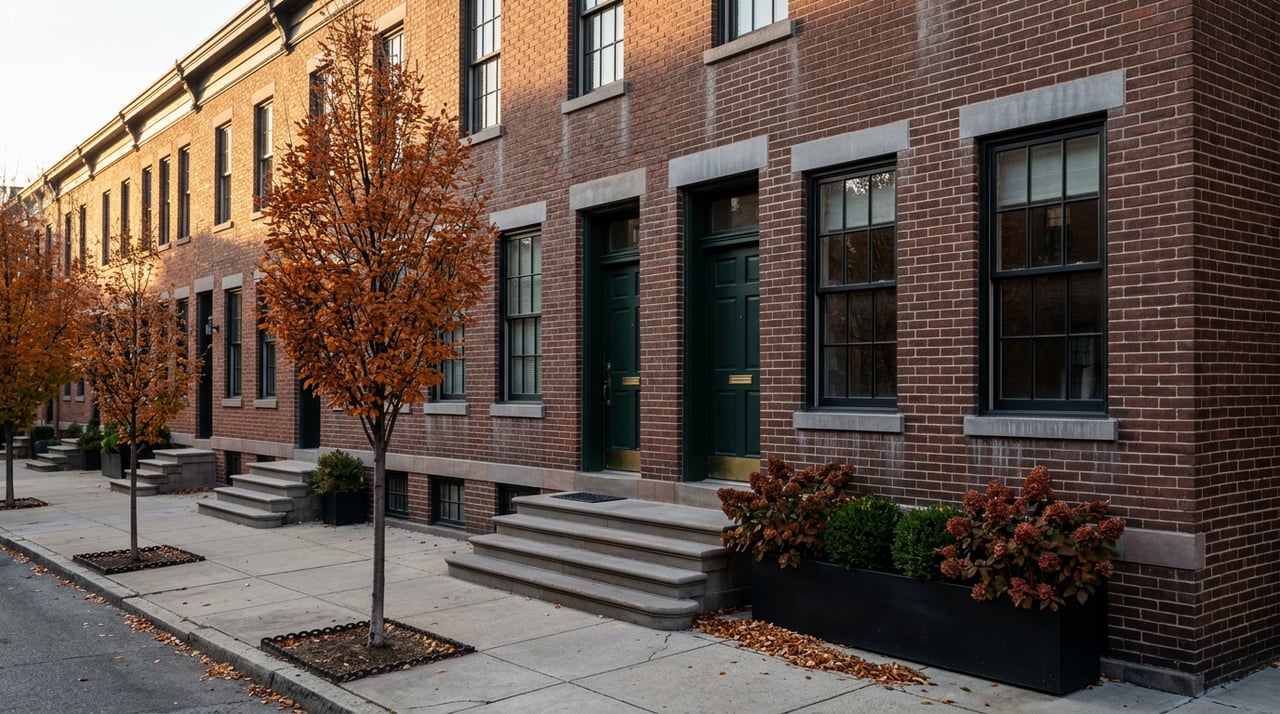
You will commonly see brick facades with party walls, stone or concrete stoops, decorative cornices, and wood double-hung windows. Older roofs may have slate, while many have modern replacements. These features are part of the neighborhood’s character and can affect how you plan repairs or upgrades.
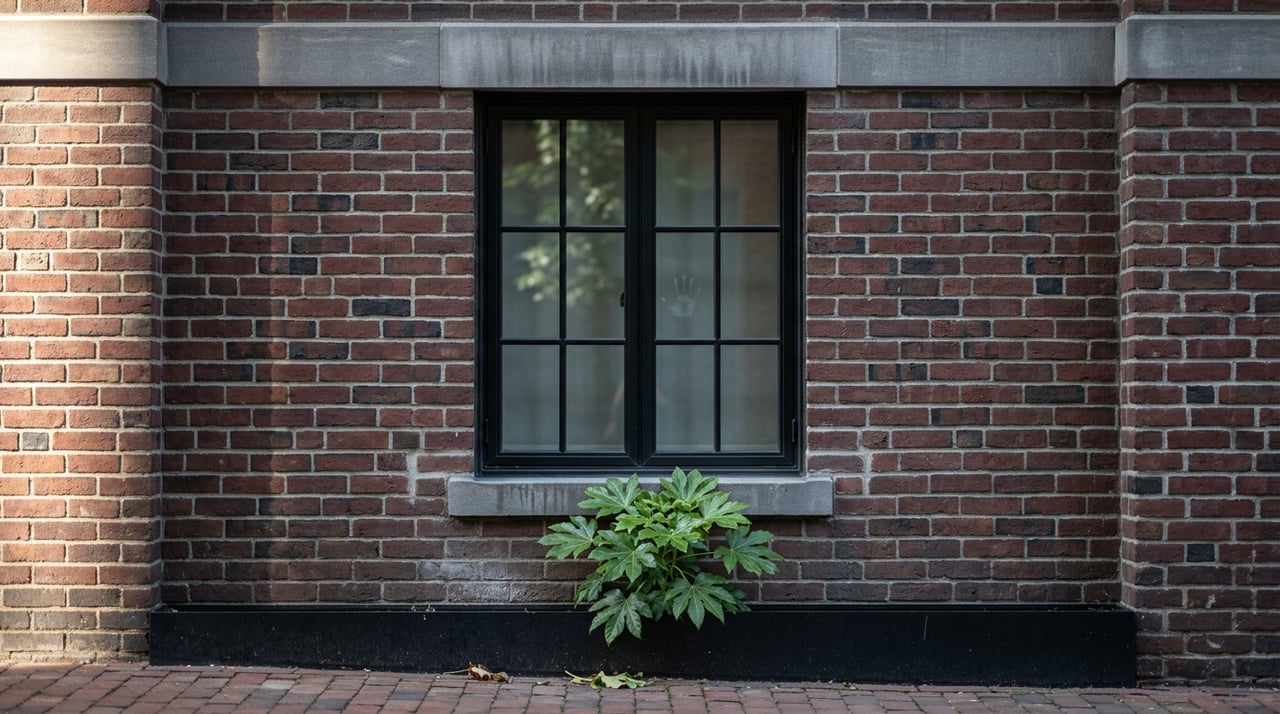
Historic rowhomes in Queen Village often use soft-fired brick with lime-based mortar. Lime mortar is more flexible and lets walls breathe. Using hard Portland cement for repointing can trap moisture and cause brick to spall, which shortens the life of your facade.
If repointing is needed, a mortar analysis helps match the original composition and tooling. Repointing is skilled work. Choosing the right mix and method protects the brick and can save you money over the long term.
Many cornices are wood or pressed metal. They can rot or corrode over time, and hidden damage here often shows up as interior leaks. In historic districts, repair or in-kind replacement is usually preferred for street-facing features.
If the cornice is too deteriorated to save, a compatible replacement may be acceptable with approval. Expect scaffolding and careful detailing to add cost and time compared to simpler exterior work.
Some Queen Village stoops use brownstone. This stone often shows spalling and past cement patches. Hard cement can speed up decay on soft stone.
You can repair and consolidate existing stone, replace it in-kind, or select a compatible alternative if approved. Each option has a different cost profile and timeline. A preservation-experienced mason can help you choose the right path.
Many original wood sash windows can be repaired. Work might include reglazing, new sash cords, and weatherstripping. Repair preserves historic material and can be more sustainable than full replacement.
If you are in a local historic district, street-facing windows and doors are reviewed for appearance. Full replacements in vinyl or aluminum are commonly less favored if they alter profiles or sightlines. Transoms and door surrounds are character-defining. Choose storm doors and hardware that are visually compatible with the facade.
Slate roofs can last for decades with regular care. If visible from the street, replacing slate with look-alike materials may face added review. Flashing and gutters are frequent sources of leaks on older homes.
Chimneys may have structural issues that affect roof integrity. Include chimney condition in your inspection and plan for any necessary masonry or flashing work. Addressing water management at the roofline and cornice often prevents costly interior repairs.
In Philadelphia, exterior changes that are visible from a public street on locally designated historic properties or in historic districts typically require a Certificate of Appropriateness, often called a COA, from the Philadelphia Historical Commission. The COA covers appearance, materials, and methods for street-facing work such as facades, windows, doors, storefronts, cornices, and roofs. Interior work is generally not regulated unless specifically designated.
You may also need permits from the Department of Licenses & Inspections for building, electrical, plumbing, mechanical, or roofing. L&I reviews code and life safety, while the Historical Commission reviews historic appropriateness. If you need both, historic approval is usually required before L&I issues permits for exterior work.
Plan for review time. Routine items may be approved by staff within weeks if plans are complete. Larger or more complex proposals may go to the monthly commission meeting. Build several weeks to a few months into your schedule for exterior projects that need approvals.
If you are considering incentives, note that federal historic tax credits apply only to certified rehabilitations of income-producing properties. Owner-occupied homes usually do not qualify. State and local incentives exist from time to time, but homeowner options are limited and rules change, so confirm eligibility early.
Restoration preserves original material and the architectural character valued in Queen Village. It can be more sustainable and sometimes more cost-effective when you factor long-term performance and energy updates like weatherstripping or quality storm windows. Replacement with modern materials may reduce short-term maintenance but can face stricter review and may not support resale value in a preservation-focused market.
Contractors with historic experience can help you balance authenticity, longevity, and cost. Ask for comparable projects and examples of prior Historical Commission approvals.
For larger projects, consider a preservation-experienced architect or consultant, a licensed contractor with masonry and wood expertise, a window conservator if you plan sash restoration, and someone familiar with COA and L&I workflows for complex scopes. For smaller projects, look for contractors who have worked in local historic districts and can show past approvals.
Budget time for research, COA applications, design documentation, L&I permitting, ordering historically compatible materials, and inspections. Lead times can stretch when you are matching profiles or sourcing specialty items. Build cost and schedule buffers for concealed conditions. A 10 to 20 percent contingency is a common planning range for older-home renovations. Tie contractor payments to milestones and inspections to keep work on track.
Use this checklist before you make an offer on a Queen Village historic home:
You can improve comfort and efficiency while respecting the home’s character. Focus on air sealing and maintenance first. Weatherstrip existing wood windows, add quality storm windows that match historic sightlines, and keep masonry and gutters in good shape to control moisture.
These steps often yield meaningful comfort gains without major changes to the facade. If you plan larger upgrades, align them with likely review expectations and discuss options with your project team.
Every project is different, but here is a planning example for a street-facing window or cornice repair:
Plan extra buffer if your project is complex or touches structural elements. Clear documentation and experienced teams reduce delays.
Historic homes reward careful planning. When you understand materials, approvals, and likely costs, you can move quickly on the right property and avoid missteps. Bring in a team that knows preservation, gather documentation upfront, and set a realistic budget and schedule.
If you want guidance tailored to your goals, a local advisor with neighborhood depth and a strong vendor network can streamline the process and protect your timeline. For a private, concierge-level experience from first tour to closing, connect with Jamie Smith Raphael. You will get curated introductions to preservation-savvy inspectors and contractors, help aligning your plans with review expectations, and a calm, strategic approach to negotiations.
Stay up to date on the latest real estate trends.

3 Best Places to Go Apple Picking Near Philadelphia & Bucks County in Fall 2026
Jamie Smith Raphael, a luxury real estate agent in the Philadelphia Area with a passion for her career and clients, brings extensive industry experience, skillfully handling transactions exceeding $150 million, always prioritizing an exceptional client experience.