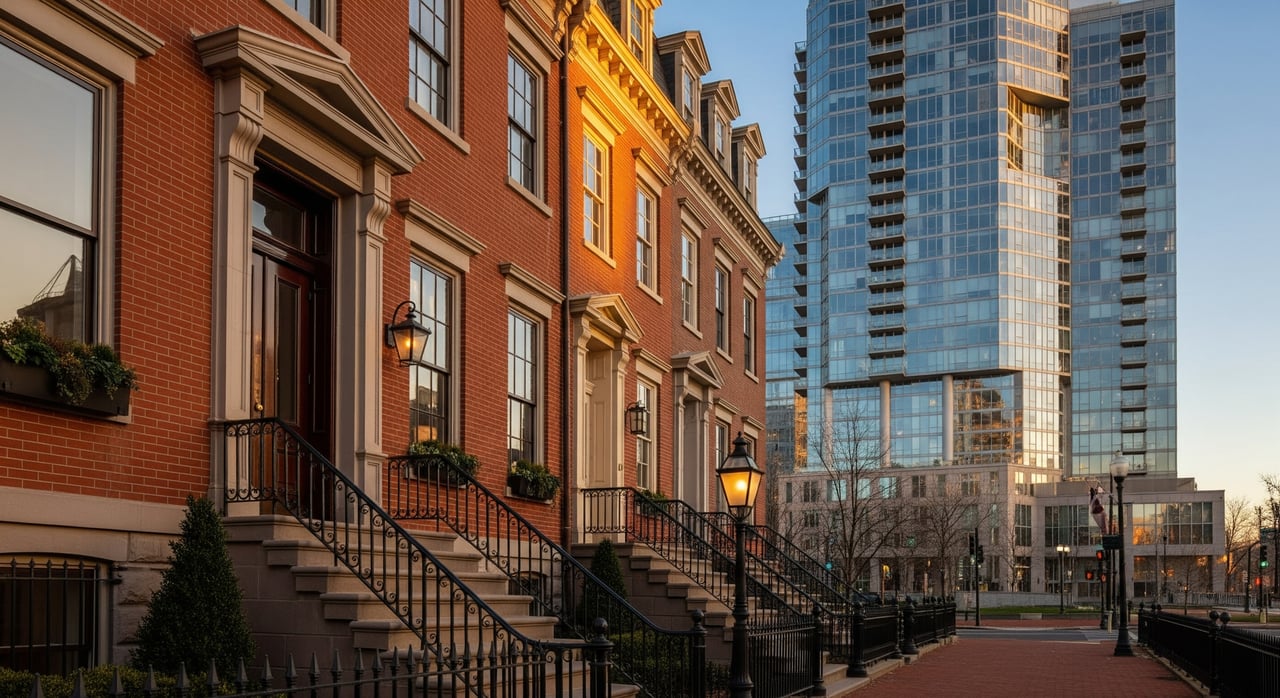
Center City Condos vs Townhouses: Decide What Fits You
December 4, 2025
December 4, 2025
Torn between a skyline-view condo and a historic rowhouse on a quiet Center City block? You’re not alone. Each option offers a different rhythm of daily life, from concierge convenience to hands-on ownership. In this guide, you’ll learn how condos and townhouses compare in Center City across lifestyle, privacy, maintenance, true monthly cost, parking, and resale. You’ll also get practical checklists to use on your tours. Let’s dive in.
A condo in Center City is an individually owned unit within a multi-unit building. You own the interior space and share the building’s common areas and systems through an association. You’ll find high-rise towers, mid-rise buildings, and historic conversions across Rittenhouse/Logan Square, Market East, Washington Square/Society Hill, Old City, Chinatown, and Midtown Village.
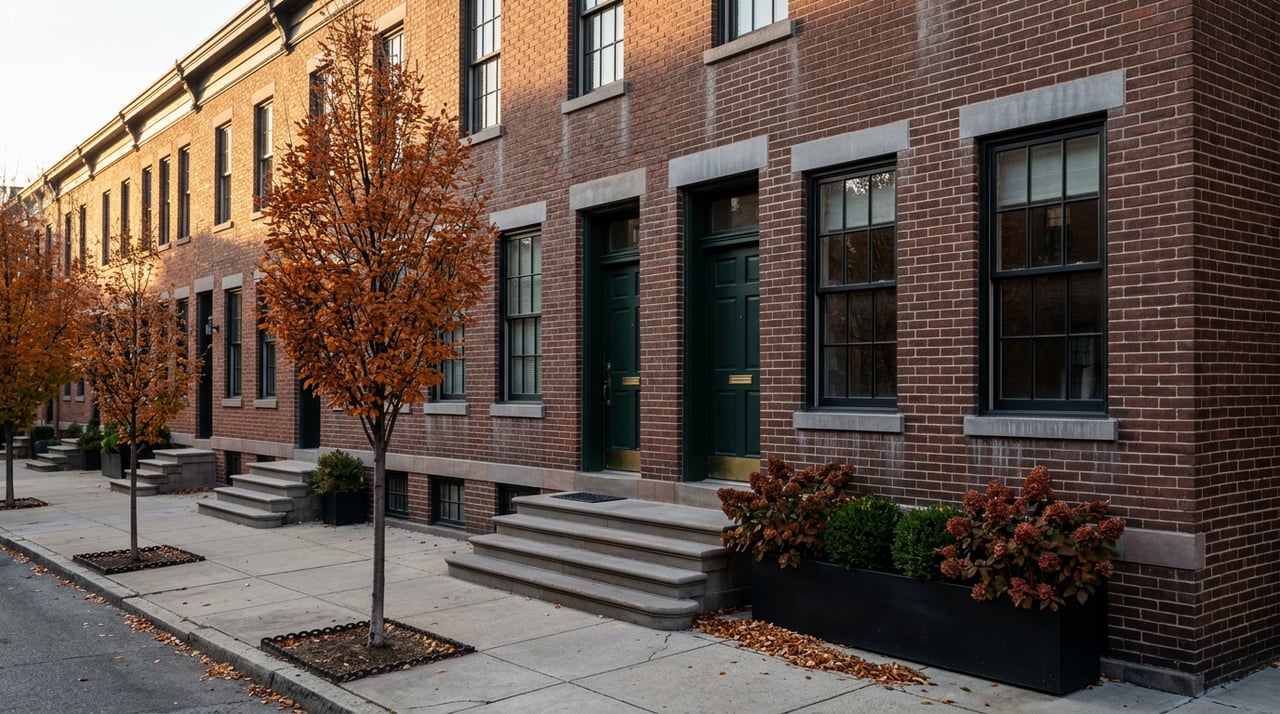
A townhouse, often called a rowhouse, is fee simple ownership of a vertical, single-family home attached to neighboring homes in a row. Many Center City townhouses are 19th-century masonry structures with multiple levels and, at times, small yards or light wells. Some properties blur the lines, so always confirm what the ownership includes and whether an HOA governs any shared elements.
Condos tend to prioritize convenience. You may have a doorman, gym, package room, and staffed management. Trash and recycling are typically managed by the building. If you want a predictable routine with minimal exterior upkeep and on-site services, a condo often fits that goal.
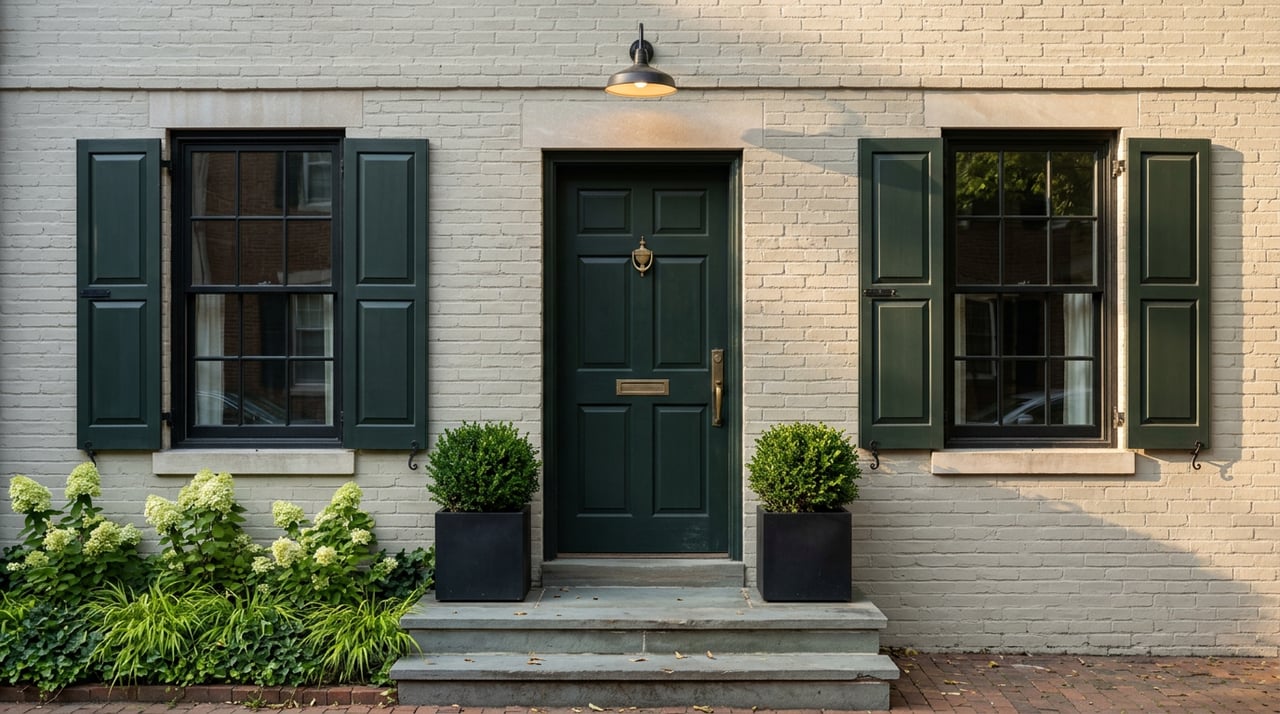
Townhouses provide a single-family feel with a private entrance and more flexibility to renovate and personalize interiors. You set your own pace for improvements, landscaping, and exterior care. If having your own front stoop and multiple levels of living space appeals to you, a townhouse can deliver that experience.
Shared corridors, elevators, and adjacent units can affect privacy and noise. Sound transmission depends on construction quality, such as concrete vs. wood framing, and how well building rules are enforced.
Townhouses typically avoid upstairs or downstairs neighbors, though party walls are common. Interior stair layouts and older construction can transmit sound differently than modern buildings. Ask about any soundproofing upgrades in both cases.
The association handles exterior building systems, common areas, and major components like roofs, boilers, and elevators. You focus on your unit’s interior. You will pay monthly fees and could face special assessments for major projects. Review the building’s financials and history to understand risk.
You are responsible for the entire structure and all systems. Many historic townhouses require specialized contractors for masonry, roofs, and windows. Costs vary depending on age, condition, and prior work. Plan for periodic large projects and routine upkeep.
Create a side-by-side monthly snapshot that includes:
This “all-in” view helps you compare apples to apples. Condo fees can include items like building insurance, staff, reserves, trash, water, or heat. Townhouses shift more costs to you directly. Your best comparison is a single monthly number that reflects everything you will actually pay.
Condos typically require an HO-6 policy for your interior. Townhouses require a full homeowner policy that covers the structure. Check coverage levels and deductibles so you understand your actual exposure in either scenario.
Some condos include deeded or assigned garage parking. Others offer onsite spaces for sale or for rent. If a building does not have parking, nearby garages and monthly rentals are common.
Some townhouses have private garages or small driveways, but many do not. Street parking and contracted garage options are typical solutions. Always confirm if a spot is included, transferable, and where it is located.
Center City offers strong transit access via subway lines, regional rail, and bus routes. Many residents find they can rely less on a car, which can change how you value onsite parking.
Condos often draw a broader buyer pool, including first-time buyers and investors. Liquidity and value can be influenced by the association’s financial health, owner-occupancy rate, and any litigation or underwriting issues. Projects with stable reserves and clear rules tend to support stronger financing options and smoother resales.
Townhouses can be scarcer in prime Center City areas. That limited supply can help values remain resilient, especially for well-maintained homes with desirable layouts. Historic designation can protect neighborhood character and value, but it may also restrict certain exterior changes.
Ask for and review:
These details affect financing, monthly stability, and resale potential. Missing documents, weak reserves, heavy litigation, or high delinquency can create risk.
Condo mortgages may require project-level underwriting that reviews owner-occupancy, dues delinquency, litigation, and other factors. Some buildings may not qualify for conventional or government-backed financing. Townhouses, as fee simple homes, typically have fewer project-level hurdles. If you plan to rent, confirm building and city rules in advance.
Many Center City neighborhoods include historic districts. Exterior changes usually require review and approval from the local historical commission. This can increase timelines and costs for certain projects but also supports long-term neighborhood character.
Philadelphia has licensing and registration requirements for short-term rentals, and some buildings or associations limit or prohibit them. Confirm both city rules and condo or HOA policies before considering short-term rental income.
Philadelphia’s property tax assessments and any abatement programs can affect carrying costs. Status and eligibility can change. Verify the current tax bill, any abatement terms, and the timing of reassessments for each property you consider.
If you are still split, tour both types in the same week and compare your “true monthly cost,” noise levels, natural light, storage, and parking access. Your daily flow will often make the decision clear.
If you want a curated path through Center City options, private off-market access, and a clear side-by-side cost analysis, connect with Jamie Smith Raphael for a private consultation.
Stay up to date on the latest real estate trends.


3 Best Places to Go Apple Picking Near Philadelphia & Bucks County in Fall 2026

Jamie Smith Raphael, a luxury real estate agent in the Philadelphia Area with a passion for her career and clients, brings extensive industry experience, skillfully handling transactions exceeding $150 million, always prioritizing an exceptional client experience.