Why Zillow Zestimates Miss on Philadelphia Luxury Real Estate
Jamie Smith Raphael March 24, 2026
Jamie Smith Raphael March 24, 2026
If you have looked up your home on Zillow, you have probably seen the Zestimate — an instant automated estimate of value that feels precise and authoritative.
It is convenient, but in Philadelphia, it is not always accurate.
That is especially true in Center City Philadelphia and in the luxury real estate market, where pricing is shaped by details an algorithm simply cannot measure. As a luxury real estate agent in Philadelphia, I often explain to clients that Zillow can be a starting point, but it should never be the basis for a serious pricing strategy.
A Zestimate is an algorithm-generated estimate based primarily on public data, basic property characteristics, and nearby recorded sales. It is not an in-person valuation, and it is not tailored to the nuances of your specific home.
Most importantly, Zillow has never actually walked through your property.
It cannot fully understand how your home shows, how it compares to competing listings, or how buyers are reacting to it in real time.
In Philadelphia, two homes on the same block can command very different prices.
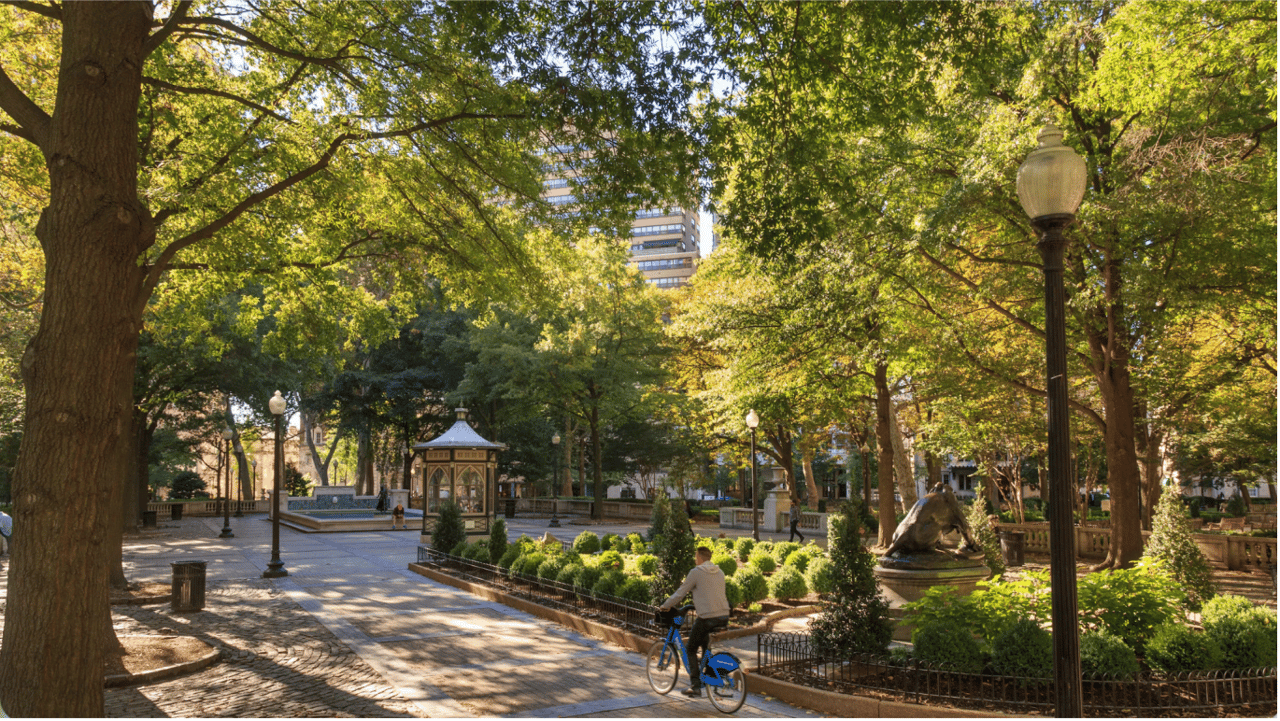
That is especially true in neighborhoods like Rittenhouse Square, Fitler Square, Society Hill, Washington Square, Queen Village, and Graduate Hospital, where value is influenced by far more than square footage. Renovation quality, ceiling height, natural light, historic character, layout, outdoor space, parking, and even which side of the street a property sits on can all affect value in a meaningful way.
A Zestimate cannot properly weigh those differences.
The higher the price point, the more important nuance becomes.
In the Philadelphia luxury market, buyers are not simply paying for bedrooms and bathrooms. They are paying for finishes, architecture, privacy, building quality, lifestyle, and location within the neighborhood. For condos, value can shift dramatically based on floor height, views, valet and concierge services, amenity package, monthly fees, and reputation of the building itself.
That is why an automated estimate often misses the mark for luxury properties in Philadelphia.
Zillow pulls from available records, but records do not always tell the full story.
If you have upgraded your kitchen, redesigned the floor plan, restored original details, added custom millwork, or improved outdoor living space, the Zestimate may not reflect it. In many cases, important details that buyers respond to most strongly are exactly the details the algorithm cannot see.
Philadelphia real estate is highly localized, and market conditions can change quickly.
Buyer demand, inventory shifts, seasonality, interest rates, and competition within a specific neighborhood or building can all influence value in real time. Zestimates tend to react after sales have happened rather than interpret current momentum as it is unfolding.
For sellers, that delay can lead to pricing too high and sitting on the market — or pricing too low and leaving value behind.
One of the biggest problems with the Zestimate is how definitive it appears.
Many homeowners understandably assume the number is highly accurate because it is presented so confidently. But in practice, it is often just a rough estimate. In a market like Philadelphia, especially at the luxury level, rough estimates are not enough when real money is at stake.
When a property is financed, lenders rely on an appraisal — not a Zestimate.
An appraisal includes an in-person evaluation, comparable sales analysis, and market-based adjustments for condition, upgrades, layout, and features. Even beyond the appraisal, strategic pricing depends on something equally important: local experience.
As a luxury real estate agent in Philadelphia and Pennsylvania, my job is to look beyond the numbers and interpret the market as buyers are experiencing it today.
That means evaluating:
recent comparable sales
current competition
buyer activity and urgency
property presentation and condition
neighborhood and block-level positioning
building-specific trends for condominiums
If you are buying, the Zestimate does not tell you what a home will actually sell for in a competitive market.
If you are selling, relying on Zillow can lead to an asking price that is either too ambitious or too conservative.
In both cases, what matters most is not what an algorithm suggests — it is how the property compares in the current market, how buyers perceive it, and how it should be positioned strategically from day one.
Zillow is fine as a starting point. It is just not a pricing strategy.
If you want to understand what your home is truly worth in today’s market, you need a valuation grounded in real-time Philadelphia data, neighborhood knowledge, and luxury-market experience.
That is where local expertise matters.
At Philly Luxe Living, I help buyers and sellers make informed decisions with a more tailored, concierge-level approach to valuation and strategy across Philadelphia luxury real estate and the broader Pennsylvania luxury market.
If you are thinking about selling, buying, or simply want a more accurate opinion of value, I am happy to provide a personalized, data-backed assessment.
Jamie Raphael
Philly Luxe Living
Luxury Real Estate Agent in Philadelphia and Pennsylvania
Stay up to date on the latest real estate trends.
Lifestyle


3 Best Places to Go Apple Picking Near Philadelphia & Bucks County in Fall 2026
Jamie Smith Raphael, a luxury real estate agent in the Philadelphia Area with a passion for her career and clients, brings extensive industry experience, skillfully handling transactions exceeding $150 million, always prioritizing an exceptional client experience.