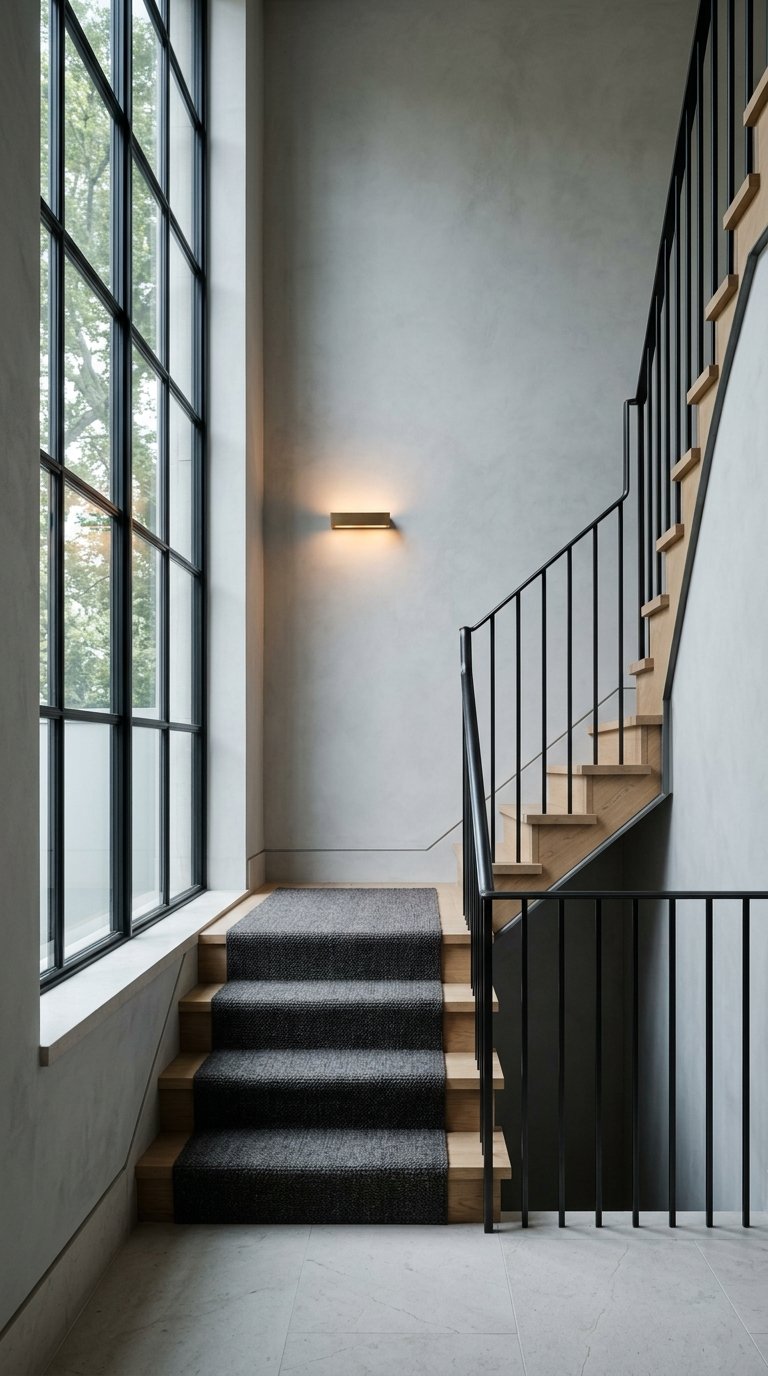
Downsizing From The Suburbs To Fitler Square
May 21, 2026
May 21, 2026
If the idea of maintaining a large suburban home no longer feels worth the effort, Fitler Square may be the kind of next chapter you have in mind. Many downsizers want less upkeep without giving up comfort, convenience, or a sense of neighborhood. In Fitler Square, you can trade lawn care and extra rooms for walkability, park access, and a more streamlined daily routine. Let’s look at what that move really means.
Fitler Square is a small residential pocket in the southwest corner of Center City Philadelphia. It is known for tree-lined streets, a quieter feel than some nearby neighborhoods, and a strong identity centered around Fitler Square Park at 23rd and Pine. That smaller scale often feels more manageable for buyers coming from the suburbs.
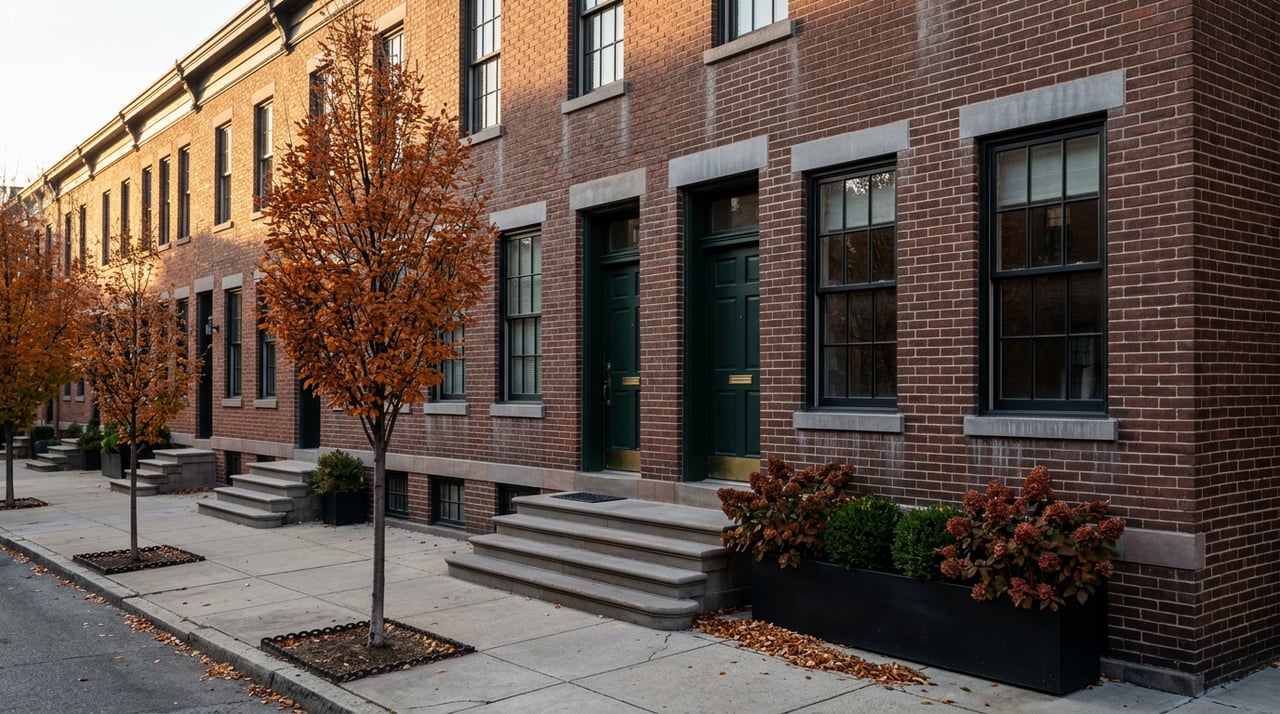
The neighborhood also has a layered, historic feel. Most buildings date from the mid-19th to early 20th century, so the streetscape feels intimate and block-by-block rather than master-planned. If you are used to larger lots and newer subdivisions, this is a very different kind of setting.
The biggest shift is often lifestyle, not just square footage. In Fitler Square, you are generally giving up a private yard and extra storage space, but gaining a more walkable routine with immediate access to neighborhood amenities. For many buyers, that trade starts to feel worthwhile very quickly.
Fitler Square Park serves as the neighborhood anchor, and the nearby riverfront adds even more outdoor access. The Schuylkill Banks system currently offers 4.5 trail miles and 29 acres of open space along the river. That means you can still enjoy green space regularly without needing to drive to it.
Local sources also describe Fitler Square as highly pedestrian-friendly. Cafés, groceries, South Street, Rittenhouse, 30th Street Station, and Penn Medicine Station are all part of the broader convenience picture. If your goal is to live more car-light, this neighborhood supports that better than most suburban settings.
Downsizing here usually means adjusting your expectations around space and ease of ownership. You may move from a detached home with a driveway, basement, and multiple extra rooms into a condo or a narrower city rowhome. That can be freeing, but it also requires some honest prioritizing.
Parking is the first reality check for many suburban buyers. Street parking can be competitive and often permit-based, so keeping a car is much easier if your home includes deeded, assigned, or indoor garage parking. If you are used to pulling into your own driveway every day, this detail matters more than you may expect.
You may also need to trade some privacy and storage for convenience. A condo can offer elevator access and lower exterior maintenance, but it may not provide the same layout flexibility as a larger suburban property. A rowhome may give you more room and character, but often with more stairs and more upkeep.
For downsizers, Fitler Square generally offers two main paths: a condo or a rowhome. The neighborhood includes historic rowhomes, brownstones, Victorian-era townhouses, and condos, including newer riverfront buildings. Local examples of more elevator-oriented options include One Riverside and Locust Point.
That range is important because downsizing does not mean the same thing for everyone. Some buyers want full-service or lock-and-leave convenience. Others still want the charm and vertical space of a townhouse, just in a more walkable part of the city.
If your priority is simplicity, a condo may be the smoother transition. Recent listings in and around Fitler Square highlight amenities like indoor garage parking, fitness centers, elevators, bike storage, courtyards, and pet relief areas. Those features can replace some of the convenience you may have relied on in a suburban home.
Condo living can also make aging in place easier, especially if elevator access is part of the building. For buyers who want to minimize exterior maintenance and daily friction, that is a major advantage. It is often the most direct way to rightsize without feeling like you are sacrificing comfort.
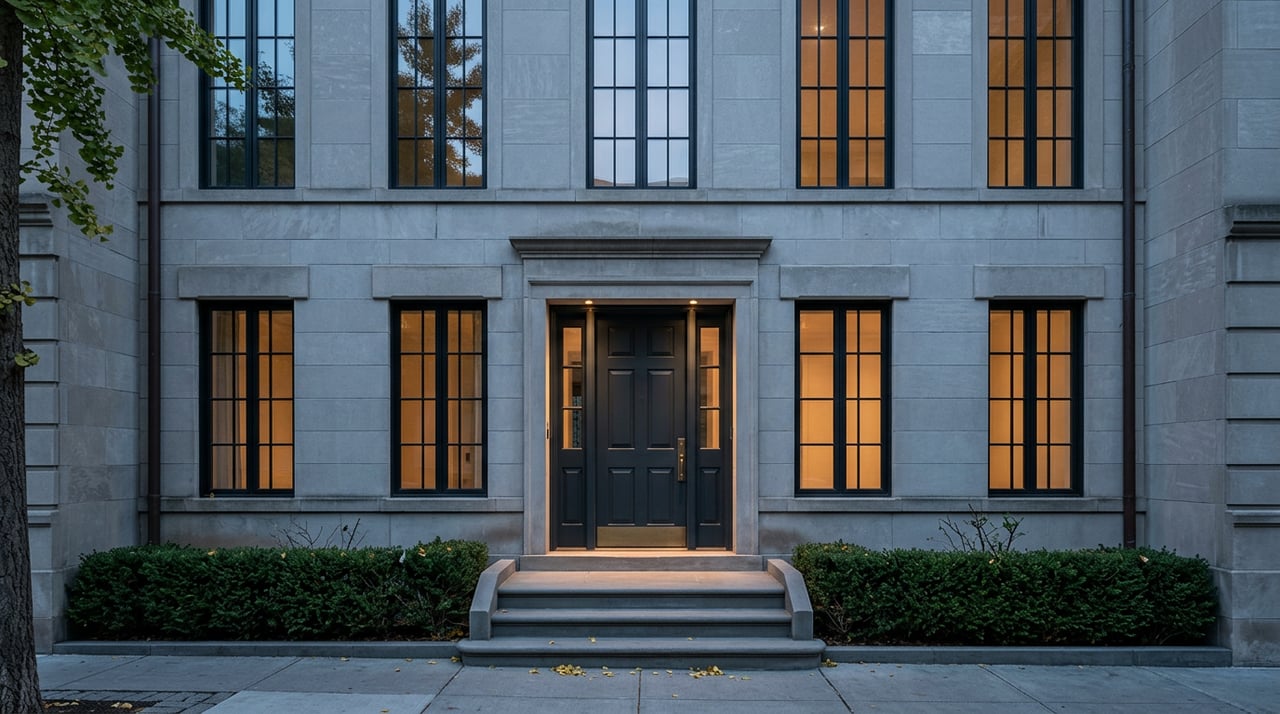
If you are not ready to give up architectural detail or multi-level living, a rowhome may still be the right fit. Fitler Square’s historic housing stock offers plenty of charm and a stronger sense of individual ownership. You may find more interior space than in a condo, along with classic Philadelphia character.
That said, older homes can come with more maintenance responsibilities. Exterior updates may also be more regulated if a property is listed on the Philadelphia Register of Historic Places. For some downsizers, that is part of the appeal. For others, it is a reason to focus on renovated homes or newer condo buildings.
Fitler Square sits in a premium Center City price bracket, but exact values vary depending on property type, building amenities, finishes, and parking. Current data shows a median listing price of $822,000, a median sale price of $765,000 in March 2026, and an average home value of $800,418 as of April 30, 2026. In a small neighborhood with limited inventory, prices can move quickly.
That limited inventory is worth taking seriously. Current townhome listings show a wide range, from a 2-bedroom townhouse at $630,000 to a 3-bedroom, 3-bath townhouse at $1.799 million. Condo listings shown in the neighborhood include 2-bedroom, 2-bath units around $689,000 and $769,000, with sizes of roughly 1,286 to 1,300 square feet.
The takeaway is simple: there is no single downsizer price point in Fitler Square. A well-positioned condo with elevator access and garage parking may compete closely with a smaller historic home, especially when inventory is tight. That is why your must-have list matters as much as the headline number.
When buyers move from the suburbs to Fitler Square, a few features tend to rise to the top quickly. If you focus on these early, your search becomes much more efficient.
If you plan to keep a car, parking should be one of the first things you evaluate. On-street parking can be difficult, so deeded garage parking, assigned indoor parking, or a building with dedicated parking can materially improve your day-to-day experience. For many suburban downsizers, this is not a luxury. It is a quality-of-life issue.
An elevator matters for more than convenience. It can shape how comfortable your next home feels over the long term, especially if you want a property that supports aging in place. Some local condo listings also include freight elevators, which can make move-in and daily living easier.
A newer condo or fully renovated rowhome can offer a simpler ownership experience. That can be especially attractive if your goal is to spend less time coordinating repairs and upkeep. Historic homes can be beautiful, but they often require a more hands-on mindset.
If a home is on the Philadelphia Register of Historic Places, exterior changes typically require approval from the Philadelphia Historical Commission. That includes work involving windows, doors, roofs, masonry, fences, driveways, and additions. Interior changes are generally not reviewed unless the interior is separately designated.
For a downsizer, this does not mean you should avoid historic homes. It just means you should understand the ownership experience before you buy. If flexibility and lower-maintenance ownership are top priorities, a renovated property or newer building may be the better match.
For many buyers, yes. Fitler Square offers the kind of location where daily errands and casual outings can often happen on foot. That is one of the strongest arguments for moving here from the suburbs.
The neighborhood gives you access to parks, the river trail system, transit connections, and nearby Center City destinations without needing to drive everywhere. Even if you keep one car, you may find yourself using it far less. For many downsizers, that becomes part of the appeal.
A move from the suburbs to Fitler Square is rarely just about buying a smaller home. It is about choosing a new rhythm for daily life. The smartest approach is to decide what you want more of, and what you are genuinely ready to leave behind.
Start with a short list of non-negotiables:
Once those priorities are clear, the neighborhood becomes easier to navigate. In a tight inventory market like Fitler Square, clarity helps you move quickly and confidently when the right property appears.
If you are thinking about downsizing into Fitler Square, a tailored plan matters. Jamie Smith Raphael offers a private, concierge-level approach for discerning buyers who want thoughtful guidance, neighborhood expertise, and access to the right opportunities.
Stay up to date on the latest real estate trends.


3 Best Places to Go Apple Picking Near Philadelphia & Bucks County in Fall 2026
Jamie Smith Raphael, a luxury real estate agent in the Philadelphia Area with a passion for her career and clients, brings extensive industry experience, skillfully handling transactions exceeding $150 million, always prioritizing an exceptional client experience.