Planning A Bella Vista Rowhouse Renovation For Resale
May 28, 2026
May 28, 2026
If you are thinking about renovating a Bella Vista rowhouse before you sell, the biggest mistake is treating it like a blank slate. Buyers are often drawn to Bella Vista for its classic Philadelphia character, walkable blocks, and historic rowhouse feel, so the goal is usually not to erase that identity. The smartest resale plan is to improve function, light, and presentation while keeping what makes the house feel authentic. Let’s dive in.
Bella Vista sits between South Street, Washington Avenue, 6th Street, and 11th Street, and its housing stock is closely tied to Philadelphia’s classic rowhouse form. The area is known for small historic townhouses and independent businesses, and many surrounding blocks are made up of dense red-brick rowhouses dating to the mid-to-late 19th century.
That context matters when you plan for resale. In many cases, buyers respond better to updates that feel like a polished Philadelphia rowhouse than a generic remodel that could belong anywhere. If your renovation respects the scale, materials, and rhythm of the home, it is more likely to feel cohesive in both showings and listing photos.
Recent remodeling research points to a simple truth: buyers are less willing to compromise on condition than they used to be. That makes visible function and overall presentation especially important when you are deciding where to spend.
For Bella Vista rowhouses, the highest-impact resale work is usually not about adding flashy features. It is more often about improving the front entry, stoop, masonry, lighting, kitchen, bathrooms, and small outdoor areas. These are the places where buyers quickly judge whether a home feels cared for, practical, and move-in ready.
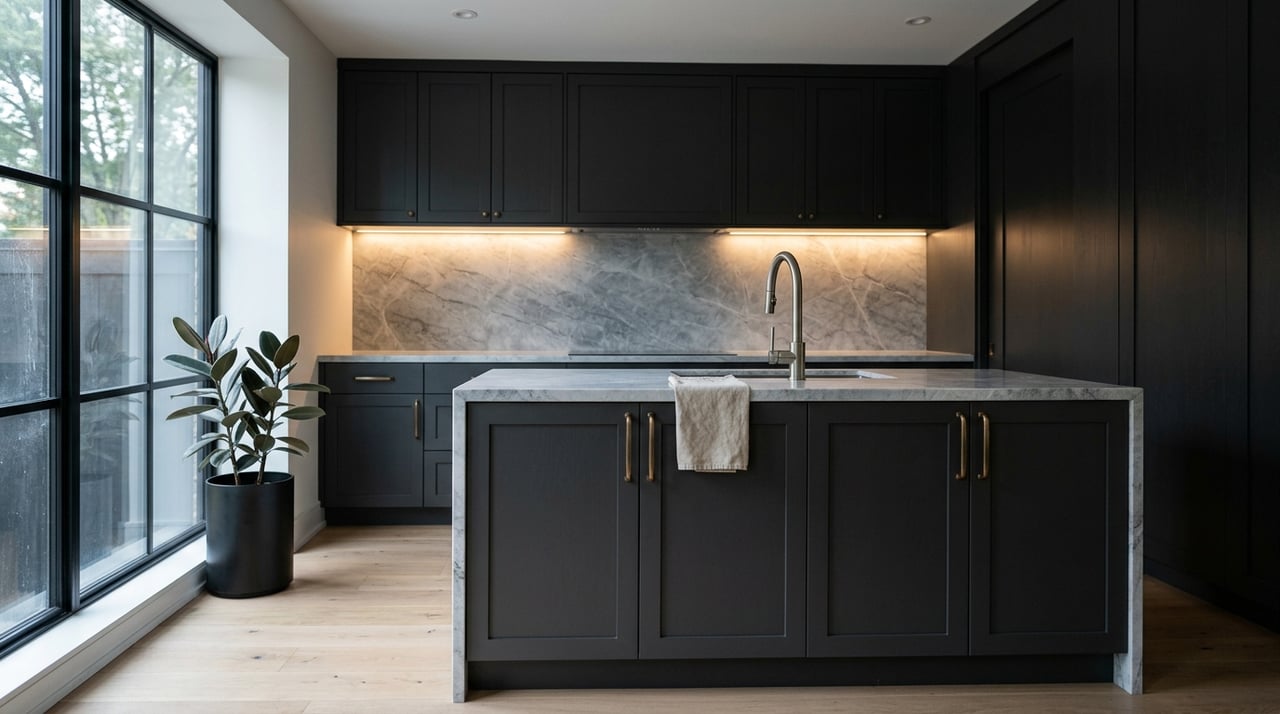
In a Bella Vista rowhouse, the kitchen often carries a lot of weight because square footage is limited and every inch needs to work hard. Philadelphia’s rowhouse guide notes that kitchens are often tight, and in a two-story house, an open first-floor plan can work well for daily living.
That does not mean you need a major addition to create value. In fact, kitchens and bathrooms cost more per square foot than most other rooms, so efficient planning matters. A resale-minded update usually focuses on better layout, smart storage, improved surfaces, stronger lighting, and practical appliance choices rather than oversized customization.
National remodeling data also supports this approach. A minor kitchen remodel was one of the strongest interior resale projects in Zonda’s 2025 Cost vs. Value report, and NAR’s 2025 remodeling report gave a kitchen upgrade a Joy Score of 10. For sellers, that is a strong signal to refine the kitchen you have before chasing more square footage.
Bathrooms are another area where thoughtful restraint usually wins. The city’s rowhouse guide notes that bathrooms need proper ventilation and that a first-floor toilet and sink can be highly valuable in a rowhouse layout.
For resale, that means a sensible powder room or a well-planned modest bath update can do more than a highly personal luxury overhaul. NAR’s 2025 remodeling report also identifies bathroom renovation as a project with increased demand and one REALTORS often recommend before selling.
If you are choosing between drama and practicality, choose practicality. Buyers tend to appreciate bathrooms that feel bright, clean, and easy to use, especially when they support the day-to-day flow of a compact city home.
One of the most common rowhouse challenges is darkness in the middle of the home. Philadelphia’s rowhouse guide explains that these homes are often long and narrow, which can leave lower floors and center rooms short on natural light.
This is why lighting upgrades can have an outsized effect on resale. More lighting at the center of the house, lighter wall colors, and skylights above windowless rooms can improve how the home lives and how it photographs. In a listing, brighter interiors often read as cleaner, larger, and more welcoming.
A rowhouse does not need to be huge to feel useful. The city guide emphasizes flexible room use, including upstairs rooms that can serve different purposes and first-floor zones that can support living, dining, and kitchen needs.
For resale, flexibility helps buyers picture themselves in the home. A room that can serve as a library, TV room, office, or guest space broadens the home’s appeal without making promises about use that feel too narrow. The same goes for a first floor that feels open enough for everyday living but still defined enough to make each area readable.
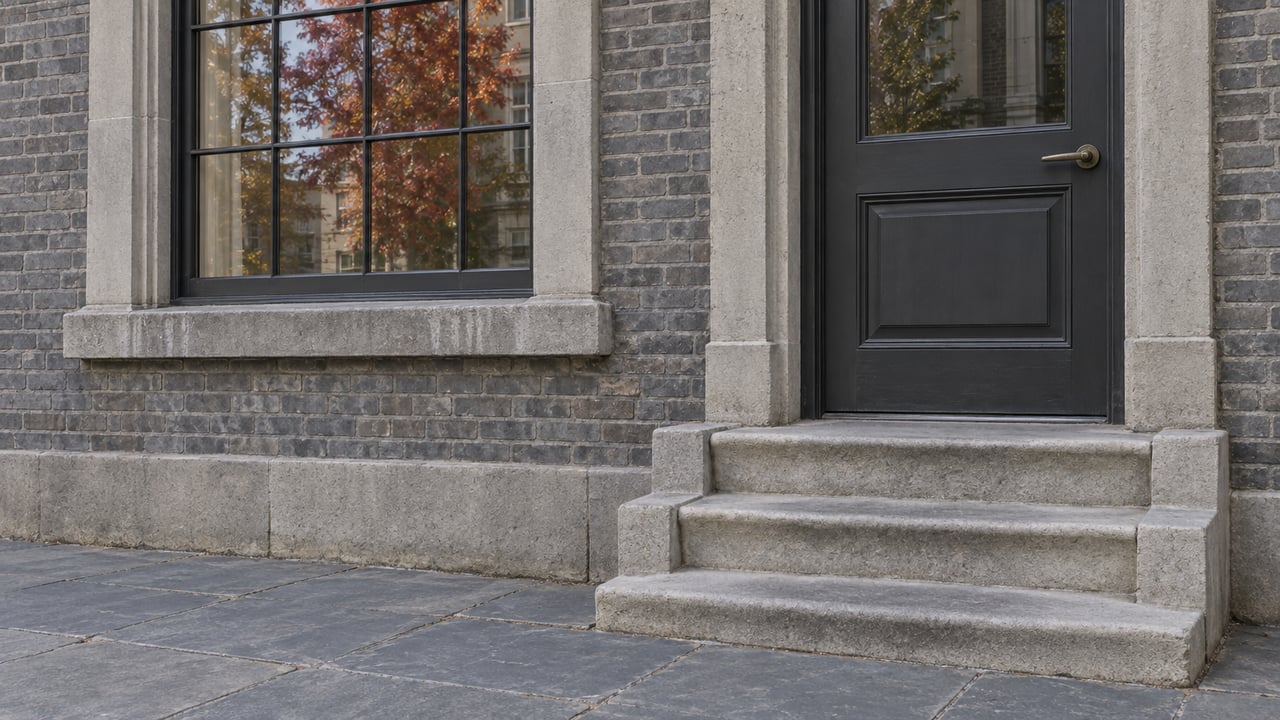
In Bella Vista, original character is not just charming. It is often part of the value story. Philadelphia’s rowhouse guide recommends saving original windows when repairable, keeping original opening sizes, preserving original trim and doors when possible, and repairing stoops and steps with like materials.
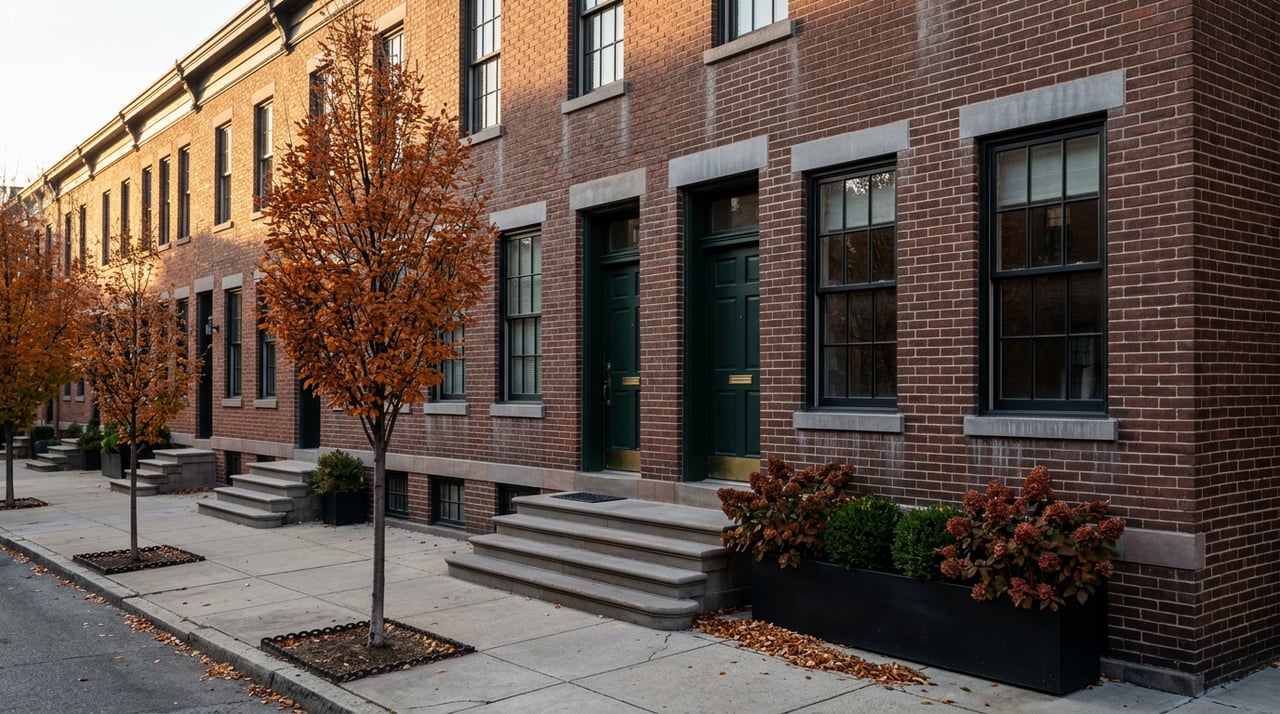
That guidance fits the neighborhood well. Historic descriptions of Bella Vista rowhouses point to brick facades, marble stoops, six-panel doors, transoms, and cornices as defining details. If those features are still present, cleaning them up can be more resale-friendly than replacing them with generic new materials.
The same guide also warns that vinyl or mismatched replacements can detract from historic appearance. In practical terms, that means you should be cautious about shortcuts that may look out of place on the block or in your listing photography.
Older rowhouses often raise the same question: how do you improve comfort without harming character? One useful option from the city’s rowhouse guide is interior storm windows, which can improve energy performance without changing the home’s exterior appearance.
That kind of compromise can make sense in a resale renovation. You get a functional upgrade while preserving the visual elements that help the home fit Bella Vista’s historic streetscape. When buyers see thoughtful decisions like this, the renovation can feel more intentional and better executed.
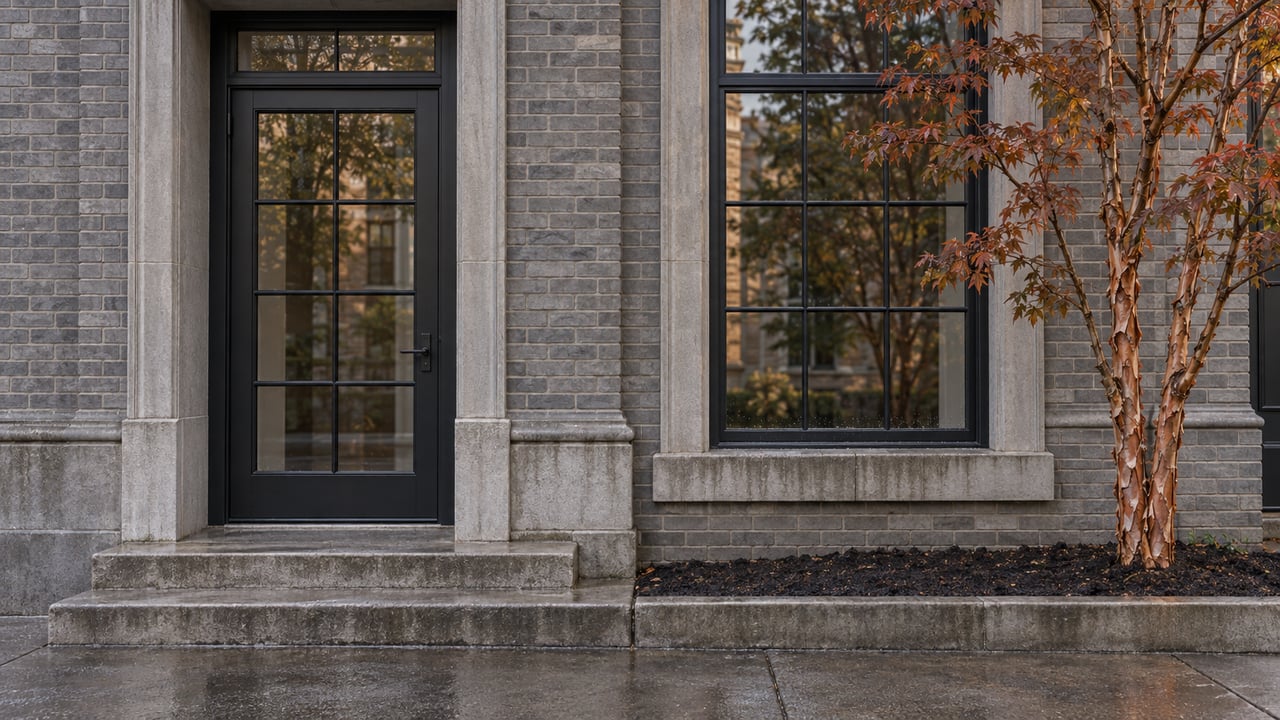
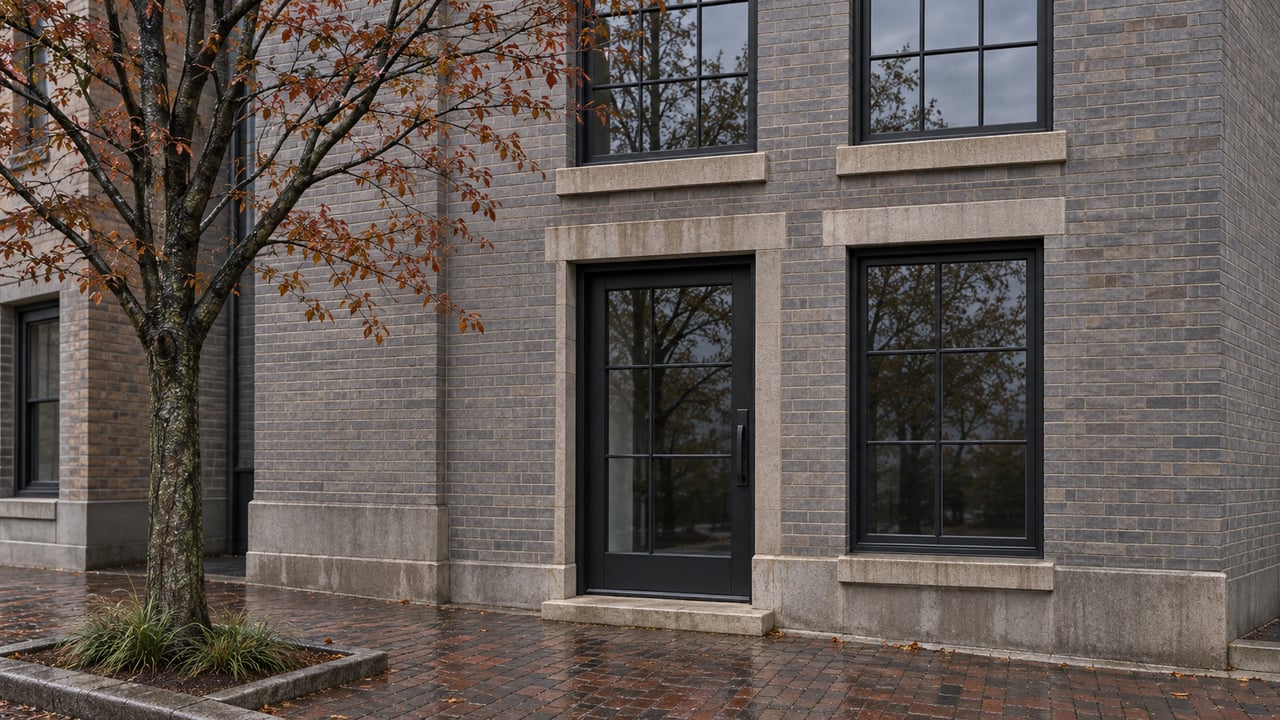
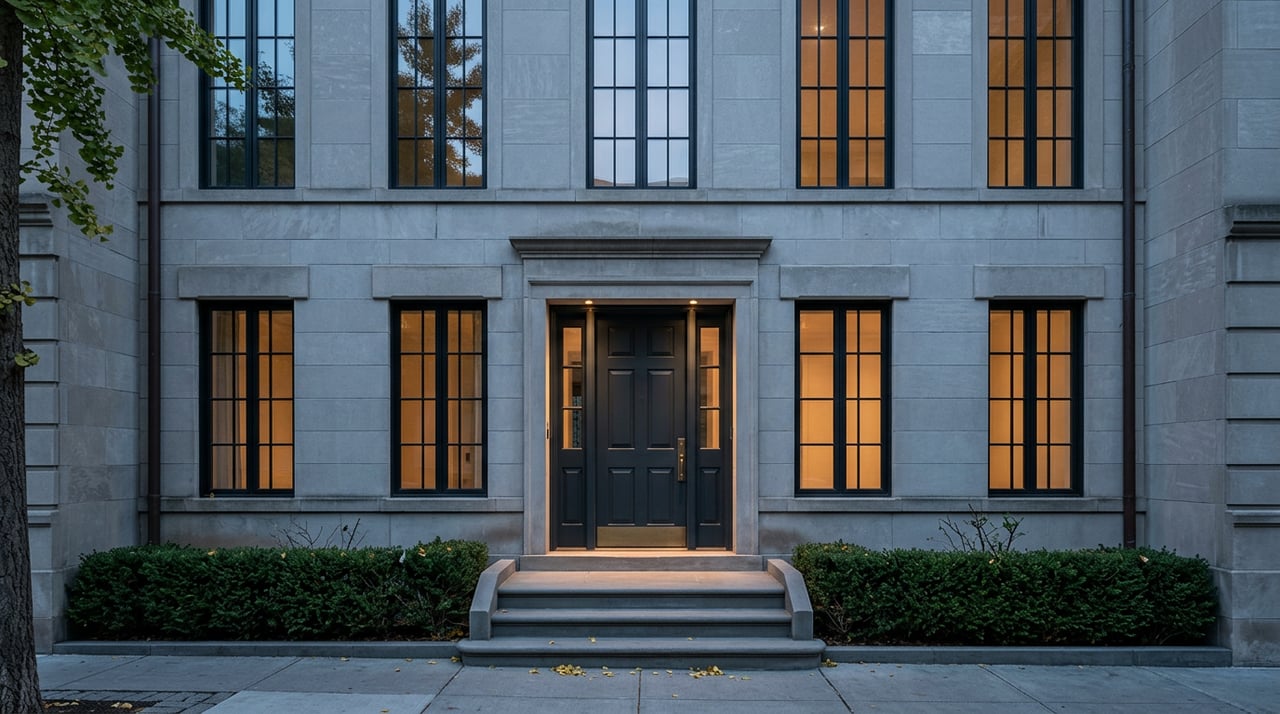
The exterior experience starts before a buyer ever steps inside. Research on remodeling value shows strong returns for front-facing improvements like entry doors, and while Bella Vista rowhouses do not usually rely on garage-related upgrades, the same principle applies to the front entry, stoop, masonry, and lighting.
A clean, refined entry sequence can shape the tone for the entire showing. If the brick is maintained, the stoop is repaired appropriately, the door feels substantial, and the lighting is warm and functional, buyers are more likely to see the rest of the home as equally well cared for.
In rowhouse living, outdoor square footage is often limited, but that does not make it unimportant. Philadelphia’s rowhouse manual notes that a roof deck can be a great amenity in many rowhouses because small yards are common, though it also says zoning and building permits are required and the roof must be in very good condition before a deck is added.
Even if you are not adding a roof deck, a small rear patio or tidy exterior space can still support resale. NAR’s 2025 staging survey found that outdoor and yard space is commonly staged, which is a helpful reminder that buyers notice these areas. In Bella Vista, a well-presented outdoor space often matters more for lifestyle perception than for raw size.
Before you start exterior work or finalize your scope, confirm what approvals may be required. Philadelphia requires building permits for new construction, additions, alterations, demolitions, and some repairs. The city’s EZ permit process can cover certain smaller projects without plans, including some non-structural interior alterations, non-load-bearing wall demolition, select window and door replacements with no size change, and roof-covering replacement for one- or two-family homes, unless the property is historic.
It is also smart to verify the property’s official OPA address and check whether it appears on the city’s historic register. The historic register uses official OPA addresses rather than mailing addresses, which can affect what you find during planning.
If the home is designated historic or located in a historic district, the Historical Commission must approve work that requires a building permit or alters exterior features. The city also states that historic designation is not a factor in property assessment, so historic status should be treated as a planning issue rather than an automatic tax penalty.
A renovation for resale is not finished when the contractor leaves. It is finished when the house presents clearly to buyers in person and online. NAR’s 2025 staging survey found that 83% of buyers’ agents said staging made it easier for buyers to visualize a home, and 73% said photos were important to clients.
The most commonly staged rooms were the living room, primary bedroom, dining room, and kitchen, and nearly half of sellers’ agents staged outdoor or yard space. Even without full staging, decluttering and fixing visible faults before listing can make a major difference.
For a Bella Vista rowhouse, this usually means aiming for a bright, polished, move-in-ready look that still feels rooted in Philadelphia. When renovation choices and listing presentation work together, buyers are more likely to see the home’s value quickly.
Before you renovate, use this shortlist to keep the project focused:
If you are preparing a Bella Vista rowhouse for sale, the best renovation strategy is usually the one that feels disciplined, location-aware, and easy for buyers to understand. A well-edited update can protect the home’s character while improving how it lives, shows, and competes in the market.
For a tailored resale strategy, staging guidance, and concierge-level coordination for your Philadelphia home, connect with Jamie Smith Raphael.
Stay up to date on the latest real estate trends.

Lifestyle



3 Best Places to Go Apple Picking Near Philadelphia & Bucks County in Fall 2026
Jamie Smith Raphael, a luxury real estate agent in the Philadelphia Area with a passion for her career and clients, brings extensive industry experience, skillfully handling transactions exceeding $150 million, always prioritizing an exceptional client experience.