Investor Guide To Northern Liberties Multifamily Properties
May 7, 2026
May 7, 2026
If you are looking for a small multifamily investment in Philadelphia, Northern Liberties likely keeps coming up for good reason. The neighborhood offers a mix of older rowhouse stock, transit access, active commercial corridors, and ongoing public investment, all of which can support long-term rental demand. At the same time, this is not a market where you should buy based on curb appeal alone. You need to verify legal use, building condition, and site-specific risks carefully before you close. Let’s dive in.
Northern Liberties sits just north of Old City and reflects Philadelphia’s long-standing rowhouse and waterfront development pattern. City materials describe the neighborhood as a transition between traditional neighborhood fabric and the developing waterfront, with 2nd Street serving as a central commercial spine.
For investors, that matters because the housing stock and the street pattern shape the kind of multifamily opportunities you are most likely to find. Rather than large garden-style apartment communities, you are often looking at attached buildings, conversions, and mixed-use properties woven into an urban block structure.
Another factor is the neighborhood’s formal Business Improvement District. Philadelphia classifies it as a neighborhood-scale BID, and the city reports 6,915 households within a 10-minute drive, median household income of $100,462, and $660 million in assessed billable property value.
That does not guarantee performance, but it does help explain why parts of Northern Liberties may feel more polished and commercially active than nearby areas. City guidance notes that BIDs often support sanitation, public safety, beautification, public space improvements, capital projects, and events, which can strengthen the everyday appeal of a rental location.
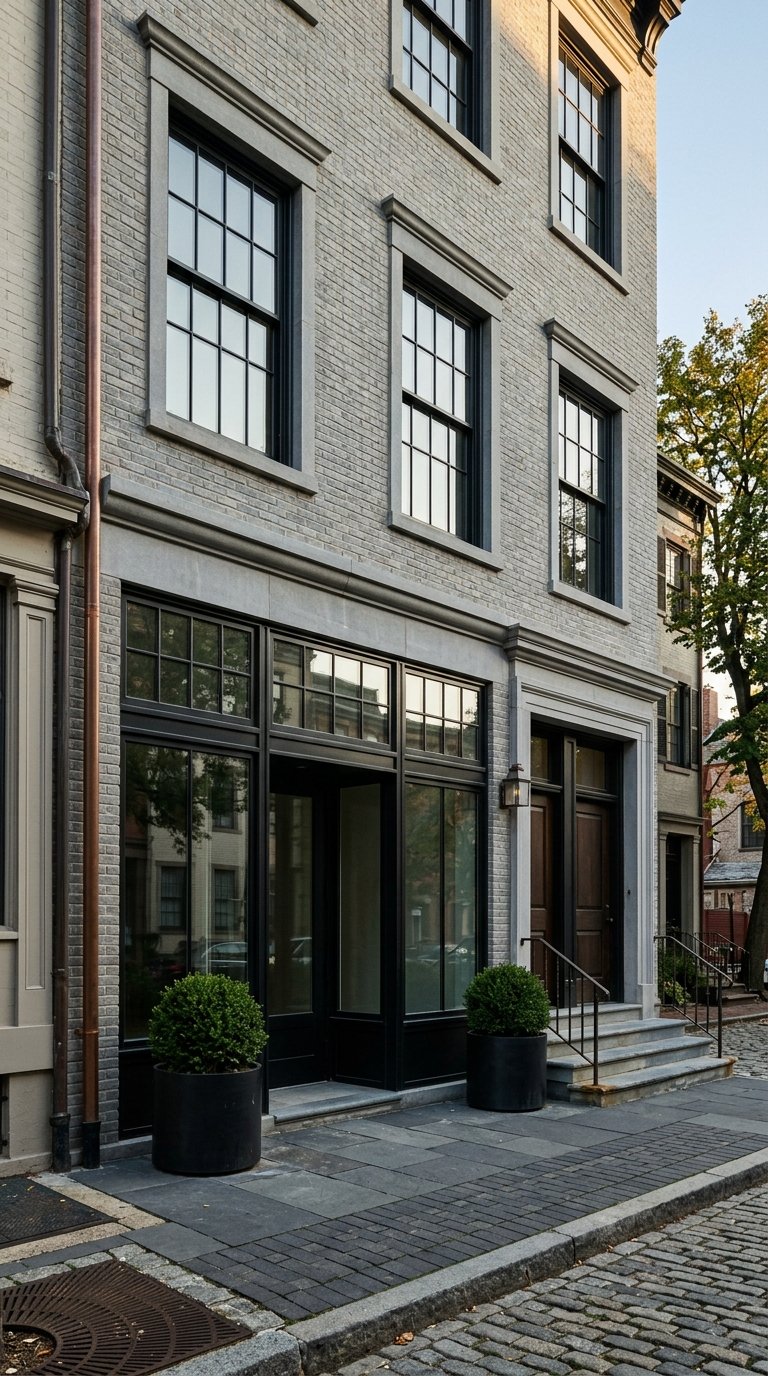
In Northern Liberties, the likely opportunity set includes duplexes, triplexes, attached rowhouse conversions, and some mixed-use buildings. That property mix fits the neighborhood’s older urban form and creates options for investors who want a smaller building with manageable scale.
Still, one of the most important rules in Philadelphia is simple: never assume the legal unit count from appearance alone. A building that looks like a triplex may not be legally approved as one, and a former single-family rowhouse may have been altered without the right approvals.
Philadelphia zoning guidance explicitly recognizes two-family and multifamily uses in certain residential and mixed-use districts, but the permitted use must be confirmed parcel by parcel. In other words, the address matters more than the neighborhood label.
Before you underwrite income, verify the property in Atlas or the city’s Zoning Summary Generator. The Philadelphia Zoning Code governs land use, height, density, bulk, parking, signs, and the general character of development.
You also need to confirm whether the current use is legal and whether a zoning permit or change-of-use approval is required. This step is especially important if you are buying an older building that has changed hands or been reconfigured over time.
In some cases, an NCO or NCA overlay may apply. If it does, review can be triggered for issues such as setbacks, cornice lines, vehicle access, retail visibility, facade composition, and materials.
For an investor, this means due diligence should happen early, not after you have already committed to a business plan. If your returns depend on adding units or altering use, you want clarity before the deal moves too far.
Northern Liberties benefits from strong access and neighborhood activity. SEPTA identifies service from Spring Garden Station, Front/Girard Station, and bus routes 5, 15, 25, 43, and 57.
That kind of connectivity can support demand from renters who value access to Center City and surrounding neighborhoods without depending entirely on a car. SEPTA also describes the area as a lively destination with art galleries, beer bars, tattoo parlors, and a range of eateries, all of which contribute to local activity and street life.
City planning materials describe Northern Liberties as walkable and bikeable. For a small multifamily owner, that can translate into steady interest from renters who prioritize daily convenience and neighborhood access.
But there is an operational side to that story too. Planning documents note concerns such as construction-related sidewalk blockages, cluttered or missing sidewalks, and limited bicycle parking.
That means the micro-location matters. A property’s frontage condition, ease of entry, sidewalk quality, and room for bike storage can all affect renter perception in ways that a quick drive-through may miss.
At the metro level, Greater Philadelphia multifamily fundamentals remain solid. Newmark reported 96.7% occupancy in the second quarter of 2025, 2.2% year-over-year rent growth, projected average annual rent growth of 3.0% through 2029, roughly $2.6 billion in 2024 sales volume, and an average price per unit of $221,925 in Q2 2025.
The takeaway is encouraging but not simple. Demand appears healthy, but pricing is competitive, which means disciplined underwriting matters more than ever.
In Northern Liberties, that is especially true for smaller buildings. Philadelphia’s work on naturally occurring affordable housing notes that much of this inventory, including small multifamily structures and single-family rowhouses, is held by landlords with five properties or fewer.
The city also says about half of these properties are vulnerable because of poor condition, displacement risk, or strong market value pressure. For you, that means you should avoid assuming that a desirable location automatically produces easy cash flow.
The Philadelphia Rowhouse Manual describes rowhouses as durable and adaptable, but it also notes that neglected maintenance reduces value and can affect neighboring properties. That is a useful lens for Northern Liberties, where older building stock can be a strength or a liability depending on upkeep.
For a duplex, triplex, or mixed-use building, your inspection and contractor review should focus on the basics first. Masonry, roof condition, utilities, prior permits, and signs of aging systems all deserve close attention.
If the property includes a basement, the diligence should go even deeper. In this neighborhood, water management is not a side issue.
Philadelphia Water has documented localized flooding in part of Northern Liberties after heavy rain, tied to the historic Cohocksink Creek area. The city also describes a long-term response that includes sewer expansion and green stormwater improvements.
That is useful context for investors because it highlights a site-specific risk that can directly affect both renovation costs and ongoing ownership. A clean-looking basement on showing day does not tell the full story.
You should evaluate basement moisture, drainage, roof runoff, and foundation condition closely. Insurance questions also deserve attention early in the process, especially if your investment plan depends on lower carrying costs or finished lower-level space.
Philadelphia Water also lists active neighborhood water-main, sewer, and green stormwater projects. These efforts point to ongoing infrastructure attention, but they also remind you to review nearby construction, access impacts, and drainage conditions before and after acquisition.
In dense urban neighborhoods, small details around access can influence rentability and operations. Planning materials for Northern Liberties point to sidewalk conditions, construction friction, and limited bicycle parking as recurring concerns.
That means you should look beyond the unit interiors. Ask how residents will enter the building, store bikes, move packages, and navigate the frontage during normal daily use.
If the building has a mixed-use component, visibility and street interface may matter even more. If an overlay applies, retail visibility and facade composition may be relevant to any future renovation plans.
Because legal use and zoning are parcel-specific in Philadelphia, the safest process is a layered one. Start by confirming the parcel details in Atlas, then bring in the right professionals for the next level of review.
A land-use attorney or zoning specialist can help review overlays, legal use questions, and possible changes of use. An inspector and contractor familiar with Philadelphia rowhouses and mixed-use buildings can help you scope repairs more accurately.
That local experience matters. In a neighborhood like Northern Liberties, two similar-looking buildings can carry very different legal, structural, and drainage realities.
Northern Liberties can fit a compelling long-term portfolio strategy if you value transit access, walkability, neighborhood activity, and continued reinvestment. The area offers the kind of smaller multifamily opportunities that can appeal to investors who want urban infill assets rather than large institutional product.
The key is to stay disciplined. Verify legal unit count, understand the zoning framework, assess frontage and access, and underwrite repairs and reserves with care.
If you approach the neighborhood with that level of detail, Northern Liberties can move from being an attractive story to a more informed investment decision. And in a competitive Philadelphia market, that difference matters.
If you are considering a Northern Liberties multifamily purchase and want a discreet, highly informed perspective on Philadelphia’s close-in urban markets, Jamie Smith Raphael offers private consultation and tailored guidance for discerning buyers and investors.
Stay up to date on the latest real estate trends.


3 Best Places to Go Apple Picking Near Philadelphia & Bucks County in Fall 2026


Jamie Smith Raphael, a luxury real estate agent in the Philadelphia Area with a passion for her career and clients, brings extensive industry experience, skillfully handling transactions exceeding $150 million, always prioritizing an exceptional client experience.