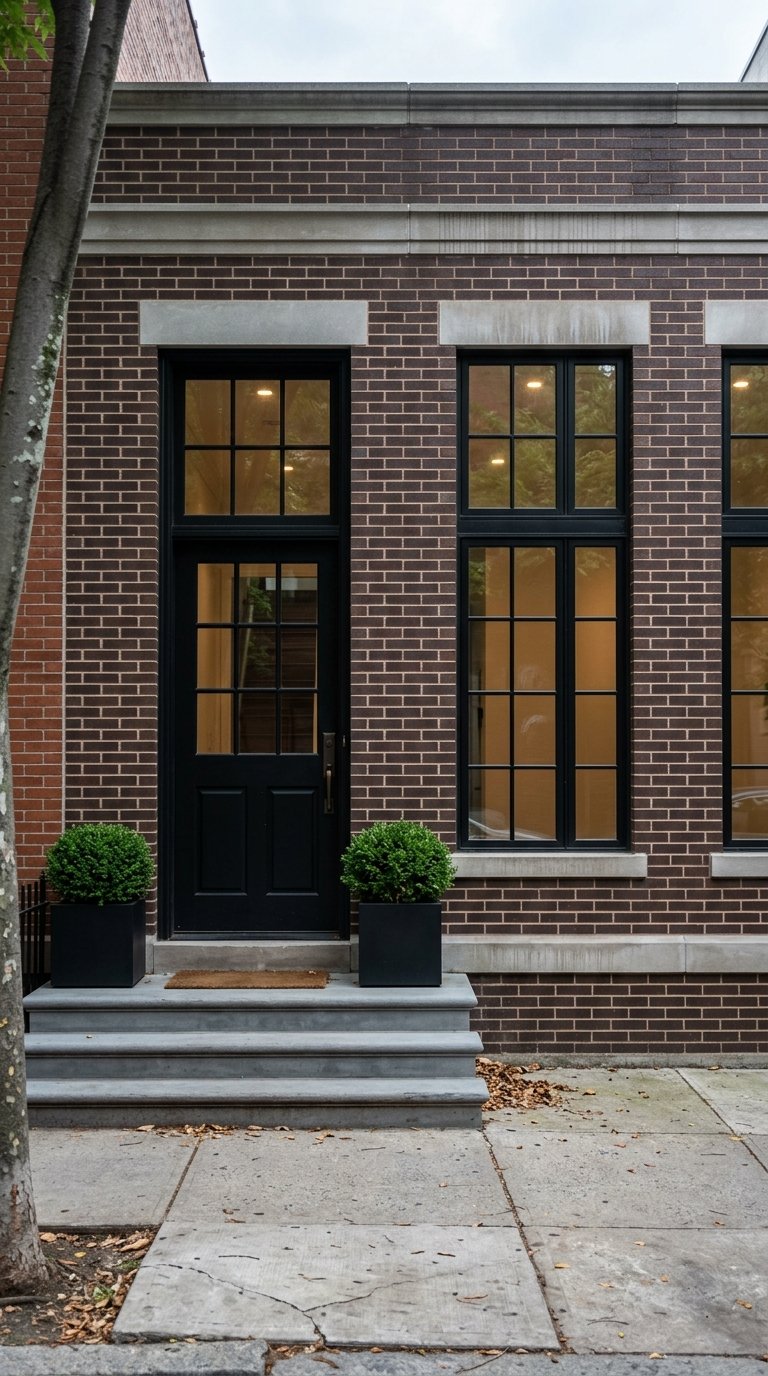
How to Sell a Fitler Square Townhome with Confidence
July 9, 2026
July 9, 2026
Wondering what it really takes to sell a Fitler Square townhome well? In a neighborhood this nuanced, a strong result usually comes from more than putting a sign in the yard and waiting for offers. If you want a smoother process, fewer surprises, and a strategy that fits both the property and the market, it helps to understand each step before you list. Let’s dive in.
Fitler Square is a small Center City neighborhood known for historic homes, the neighborhood park at 23rd and Pine, and easy access to the Schuylkill River Trail and Schuylkill Banks corridor. That means buyers are often weighing the home itself alongside the lifestyle around it. Walkability, outdoor access, and day-to-day convenience can matter just as much as finishes and square footage.
Current market signals also point to a relatively small but active market. As of May 2026, Realtor.com reported 17 homes for sale, a median listing price of $719,500, and median days on market of 37, while Redfin reported a median sale price of $849,714 and median days on market of 29 for the three months ending May 2026. Since those platforms use different methods, the numbers are best viewed as directional, but they still suggest that pricing and presentation can shape the outcome quickly.
Before photos, showings, or pricing, it helps to decide how you want the sale to feel. Some sellers want broad public exposure from day one, while others care deeply about privacy, controlled access, and a more curated release. In a high-value urban market like Fitler Square, that decision influences everything that follows.
A thoughtful plan should account for your timing, your comfort level with showings, and the home’s strongest selling points. If your townhome offers features that stand out in this neighborhood, such as private parking, a garage, a roof deck, a patio, or a small garden, those should shape both the marketing story and the showing strategy.
Pennsylvania requires sellers to disclose known material defects before signing the agreement of transfer using the state-approved seller disclosure form. The form covers a wide range of topics, including the roof, basement or crawl space, termites, structural problems, additions or remodeling, water and sewage, plumbing, HVAC, electrical systems, appliances, drainage, boundaries, association matters, and title or use issues.
The law does not require you to perform a new investigation. However, you cannot knowingly omit a material defect, and if something changes before settlement, you must update the buyer. In practice, that means it is smart to organize your information before the home goes live rather than scrambling once questions start coming in.
Helpful documents to gather include:
These records can make disclosure questions easier to answer and can reduce delays during due diligence.
If your Fitler Square townhome was built before 1978, federal law requires additional lead-based paint disclosures before the sale contract is signed. Sellers must disclose any known lead-based paint or lead-hazard information, provide the EPA pamphlet, include the required lead warning statement, and offer the buyer a 10-day opportunity to conduct a lead inspection or risk assessment unless that right is waived.
In a neighborhood with many older homes, property age matters. If your home falls into this category, handling the paperwork early can help avoid last-minute contract issues.
Presentation matters, especially in a neighborhood where buyers often compare a limited number of listings very closely. According to the 2025 NAR staging profile, 29% of agents saw a 1% to 10% increase in offered value when homes were staged, and 49% saw reduced time on market. Buyers’ agents also ranked photos, physical staging, videos, and virtual tours among the most important listing elements.
For a Fitler Square townhome, that often means focusing extra attention on the spaces buyers tend to remember most. The living room, kitchen, primary suite, and any outdoor area usually deserve priority because they help tell both the layout story and the lifestyle story.
Before the photo shoot, it helps to:
Online expectations matter. Buyers who love the photos expect the in-person showing to match what they saw, so camera-ready preparation should happen before launch day, not after.
Occupied townhomes can bring a steady flow of photographers, stagers, agents, inspectors, and buyers through the home. That makes privacy planning important, especially if you value discretion.
NAR’s privacy guidance recommends putting away family photos, mail, passwords, valuables, firearms, and prescription medications. It also recommends a no-photography note in the MLS and using an electronic lockbox that records access. These simple steps can make the process feel more controlled without making the home less accessible to qualified buyers.
Pricing a townhome in Fitler Square should start with neighborhood-specific comparable sales, not broad Center City averages. This is a small micro-market, and outcomes can vary based on block, condition, parking, outdoor space, and the quality of the presentation.
That point matters even more because recent neighborhood data show mixed but useful signals. Realtor.com reported homes selling for approximately asking on average in May 2026, while Redfin’s recent sold examples included both under-list and over-list outcomes. In other words, there is no one-size-fits-all pricing formula here.
A strong pricing strategy usually considers:
In this neighborhood, pricing is not just about attracting attention. It is also about reinforcing credibility from the first day on market.
Fitler Square buyers are often buying into a way of living as much as a floor plan. The neighborhood’s park, farmers market, walkability, transit access, and connection to the Schuylkill River Trail all help shape demand. Redfin rates the area 97 out of 100 for walkability, 98 out of 100 for transit, and 98 out of 100 for biking, which highlights how strongly location convenience factors into buyer interest.
That is why listing strategy should highlight not only interior upgrades but also daily-life advantages. If your home offers rare parking in such a walkable area, that can be a true differentiator. If it has outdoor space, that feature should be photographed and described as part of the home’s overall use and appeal.
Once you are under contract, the buyer’s home inspection often becomes the next major turning point. Pennsylvania’s Home Inspection Law defines the inspection as a noninvasive visual examination of structural and essential components, and the report must identify material defects.
For sellers, that usually means the conversation centers on systems and meaningful condition issues rather than minor cosmetic wear. You can also request a copy of the inspection report from the buyer’s inspector. That can be helpful if questions arise during negotiations.
Before offers arrive, it is wise to decide where you stand on likely requests. Think through which items you would be willing to repair, credit, or leave as-is so you are not making rushed decisions under pressure.
One of the biggest seller cost items in Philadelphia is the Realty Transfer Tax. The current rate is 4.578% of the sale price or assessed value plus any assumed debt, and the city notes that it is usually split evenly between buyer and seller, though that split is not legally required. The tax is due when the deed is presented for recording.
Because that expense can have a meaningful effect on your proceeds, it should be included in your net sheet early in the process. It is also smart to leave room for possible inspection-related credits or other negotiated terms that may affect the final numbers.
The final stage of the sale is usually less about marketing and more about execution. This is where organized paperwork, clear expectations, and quick responses can keep momentum intact.
A smoother contract-to-close process often comes down to a few basics:
In a neighborhood where presentation and precision both matter, the strongest sales are often the ones that feel carefully managed from the first planning conversation to the closing table.
If you are thinking about selling a Fitler Square townhome and want a polished, discreet plan tailored to your property, Jamie Smith Raphael offers a boutique, concierge-level approach with curated marketing, hands-on coordination, and neighborhood-specific strategy.
Stay up to date on the latest real estate trends.

Lifestyle


3 Best Places to Go Apple Picking Near Philadelphia & Bucks County in Fall 2026
Jamie Smith Raphael, a luxury real estate agent in the Philadelphia Area with a passion for her career and clients, brings extensive industry experience, skillfully handling transactions exceeding $150 million, always prioritizing an exceptional client experience.