Northern Liberties Lofts vs Rowhomes: How to Choose
June 25, 2026
June 25, 2026
Choosing between a loft and a rowhome in Northern Liberties is not just about square footage. It is about how you want to live, what kind of ownership experience fits you best, and how much flexibility you want after closing. If you are weighing both property types in this part of Philadelphia, you need more than a style comparison. You need a practical framework for the decision. Let’s dive in.
Northern Liberties has a built-in contrast that makes this decision especially relevant. As a former manufacturing district north of Old City, the neighborhood blends repurposed warehouses, newer buildings, and older residential fabric. That mix is exactly why so many buyers here find themselves comparing loft condos with traditional Philadelphia rowhomes.
The area is also shaped by a real sense of architectural history. Its National Register historic district is tied to Federal, Greek Revival, Italianate, industrial, and commercial significance. For you as a buyer, that means the housing stock can feel dramatically different from one block to the next, even when homes are close together.
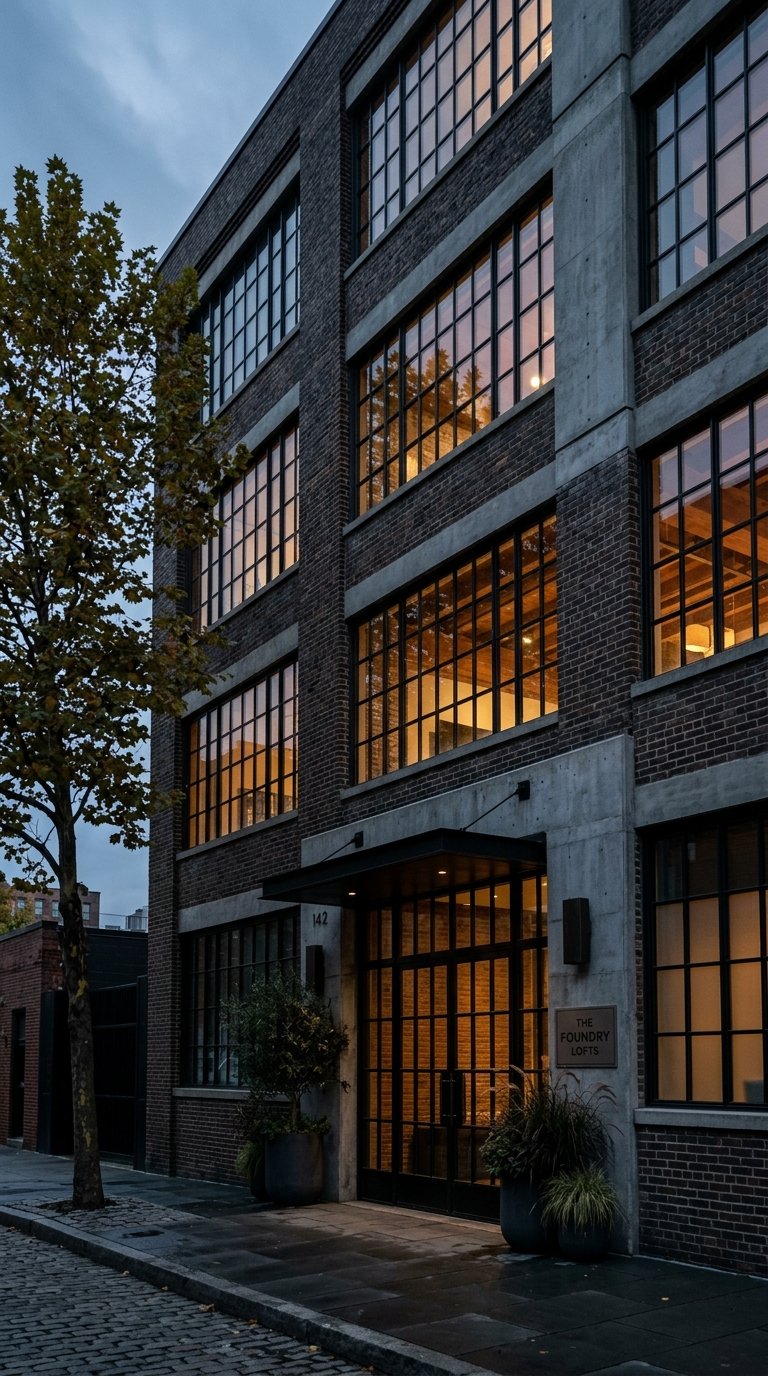
Lofts in Northern Liberties often come from adaptive reuse projects. In practical terms, that usually means former industrial buildings turned into residential units with details that are hard to recreate in new construction. Think exposed brick, visible ductwork, tall ceilings, and a sense of volume that feels immediately distinctive.
A local example is Iron Mill Lofts, a former ironworks converted into 12 lofts with ceilings reaching as high as 22 feet. That kind of scale can create a dramatic, airy feel, especially when paired with strong natural light. If you are drawn to design, architecture, and open living space, a loft may feel compelling the moment you walk in.
The biggest appeal of a loft is often the layout. Many lofts offer large open areas rather than a series of separated rooms. This can make the home feel expansive and visually clean, especially if you prefer a modern or design-forward interior.
That said, open volume is not the same thing as easy functionality for every buyer. Some lofts include alcoves or large open zones that need to be organized carefully into living, dining, work, and sleeping areas. If you want clear room separation or more conventional privacy, that open plan can feel less intuitive over time.
In this market, many lofts are condominium units. Under the Pennsylvania Uniform Condominium Act, unit owners form the association, and that association can adopt budgets and bylaws, collect assessments for common expenses, hire managers, and regulate the use, maintenance, repair, replacement, and modification of common elements.
For you, that means loft living often comes with a more shared form of ownership than buyers first expect. You may love the architecture and ease of a condo lifestyle, but you should also be comfortable with association rules, building budgets, and decisions that involve the larger property rather than just your unit.
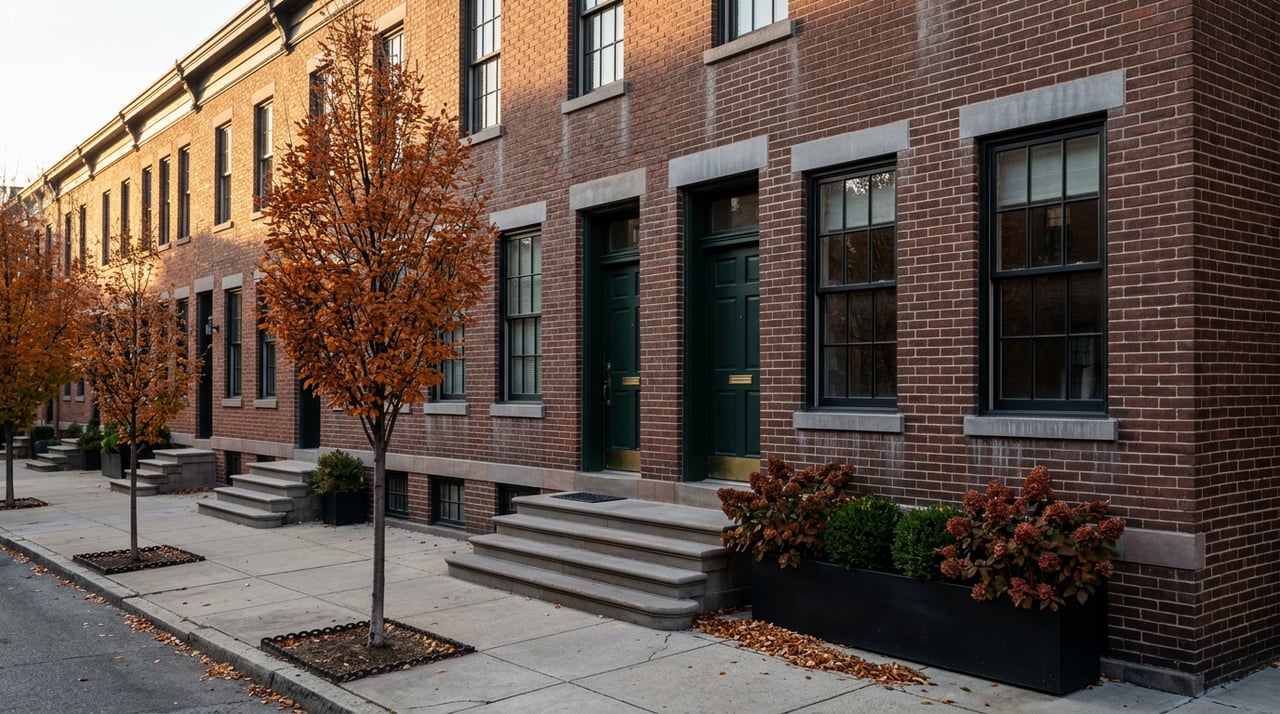
Rowhomes are Philadelphia’s signature housing type, and they remain a strong option in Northern Liberties. The City of Philadelphia defines rowhouses as one- to four-story houses with narrow frontage that are attached to adjacent houses on both sides. They are a deeply established part of the city’s housing fabric, and many buyers appreciate the sense of individual homeownership they provide.
Inside, rowhomes often offer a more traditional room-by-room layout. Depending on the house, you may find hardwood floors, kitchens in rear additions or basements, and floor plans that can be opened up selectively. If you want a home that feels more structured and familiar, a rowhome may align better with your day-to-day lifestyle.
One of the strongest advantages of a rowhome is layout clarity. Even when a rowhome is compact, the separation between living spaces can make the home feel organized and practical. That can be especially helpful if you work from home, host guests often, or simply prefer rooms with defined purposes.
Philadelphia’s rowhouse guidance also notes that open first-floor plans can work well in smaller houses. So while rowhomes are more traditional overall, they are not necessarily closed off. Many offer a balance between classic structure and updated flow.
Compared with a condo loft, a rowhome usually gives you more direct control over the property. There is typically less shared governance built into day-to-day ownership, and monthly carrying costs can be easier to predict from a utility standpoint.
Philadelphia Water says residential properties with one to no more than four dwelling units that are not condominiums pay a flat rate based on citywide averages, and stormwater credits are not currently available for residential properties. In plain terms, that can make utility-related monthly costs feel more straightforward than in a condominium building, where billing structures may be more layered.
For many buyers, the real difference between lofts and rowhomes becomes clear after the showing. It is not only about finishes or ceiling height. It is about how ownership works each month.
With a loft condo, you are usually contributing to shared expenses through assessments. The association may be responsible for common-area maintenance, building systems, and broader property decisions. That structure can be appealing if you value a more managed building environment, but it also means less individual control.
With a rowhome, costs may feel less centralized. You are usually managing your own property decisions more directly rather than through an association structure. If you prefer a hands-on ownership style, that can be a meaningful advantage.
If you are thinking long term, renovation potential deserves serious attention. In many cases, rowhomes offer the stronger upside for buyers who want to shape the property over time.
Philadelphia’s rowhouse manual highlights projects such as enlarging kitchens, adding second-floor baths, rebuilding rear additions, and adding roof decks. That creates real opportunity for buyers who see value in phased improvements. A rowhome can evolve with your needs, especially if you want to personalize the house gradually.
More freedom does not mean unlimited freedom. The city guidance notes that roof decks require zoning and building permits. It also warns that basement excavation cannot undermine adjoining houses, and structural walls should not be altered without expert advice.
So yes, rowhomes can offer more renovation latitude, but successful projects depend on planning, permits, and sound professional guidance. If your goal is to create value through improvements, this is where a thoughtful buying strategy matters.
Lofts tend to be more constrained structurally. Because many are condominiums, associations often control common elements and building-wide issues. That can limit your ability to make certain changes, especially if they affect the exterior or shared systems.
If a property is also locally designated historic, Historical Commission approval is required before work. The tradeoff is that many lofts already offer the open plan, industrial texture, and ceiling height buyers often want. In other words, a loft may deliver the design payoff upfront, even if your ability to reshape it later is more limited.
A loft often makes the most sense if you value light, scale, and industrial character above all. You may be the kind of buyer who wants architecture to do some of the decorating for you, with exposed materials and open volume creating the atmosphere.
You may also prefer a more polished, lower-maintenance-feeling living experience within a shared building structure. If association governance does not bother you, and you like the idea of a home that already feels visually distinctive, a Northern Liberties loft can be a strong fit.
A rowhome often fits buyers who want a more traditional house experience. You may prefer defined rooms, a classic Philadelphia layout, and the sense that the property is truly your own to manage and improve over time.
This path can also be attractive if you see the home as a long-term project as well as a residence. Whether your interest is a better kitchen layout, added bath space, or future roof deck potential, rowhomes often give you more room to plan ahead.
In Northern Liberties, this decision usually comes down to one core issue: How much shared governance are you comfortable with, and how much hands-on control do you want? That question often reveals the right answer faster than a style preference alone.
If you want volume, natural light, and industrial character, a loft may check the right boxes. If you want more conventional rooms, more direct ownership control, and stronger renovation potential, a rowhome may be the better fit. Both can be excellent choices in Northern Liberties. The smarter move is choosing the one that fits how you actually live.
If you want a tailored perspective on Northern Liberties housing options, off-market opportunities, or a more strategic buyer search in Philadelphia’s close-in urban neighborhoods, connect with Jamie Smith Raphael for a private consultation.
Stay up to date on the latest real estate trends.

Lifestyle


Jamie Smith Raphael, a luxury real estate agent in the Philadelphia Area with a passion for her career and clients, brings extensive industry experience, skillfully handling transactions exceeding $150 million, always prioritizing an exceptional client experience.