Exploring Historic Queen Village As A Future Home Base
July 16, 2026
July 16, 2026
If you want a Philadelphia neighborhood that feels storied, livable, and distinct from block to block, Queen Village deserves a closer look. For many buyers, the challenge is finding a place that offers historic character without feeling frozen in time, plus everyday convenience without losing its neighborhood identity. This guide will help you understand how Queen Village is laid out, what its housing stock looks like, and why its micro-pockets matter when you picture life there. Let’s dive in.
Queen Village is widely understood as the historic South Philadelphia neighborhood just south of the South Street Headhouse District, generally stretching from Lombard Street to Washington Avenue and from Front Street to 6th Street. That location gives you close access to Center City, the waterfront, and some of Philadelphia’s most established historic corridors.
What makes the area especially appealing is how layered it feels. You are not looking at a neighborhood with one single mood throughout. Instead, Queen Village reads as a series of connected micro-pockets, shaped by historic rowhouses, small parks, and compact commercial corridors.
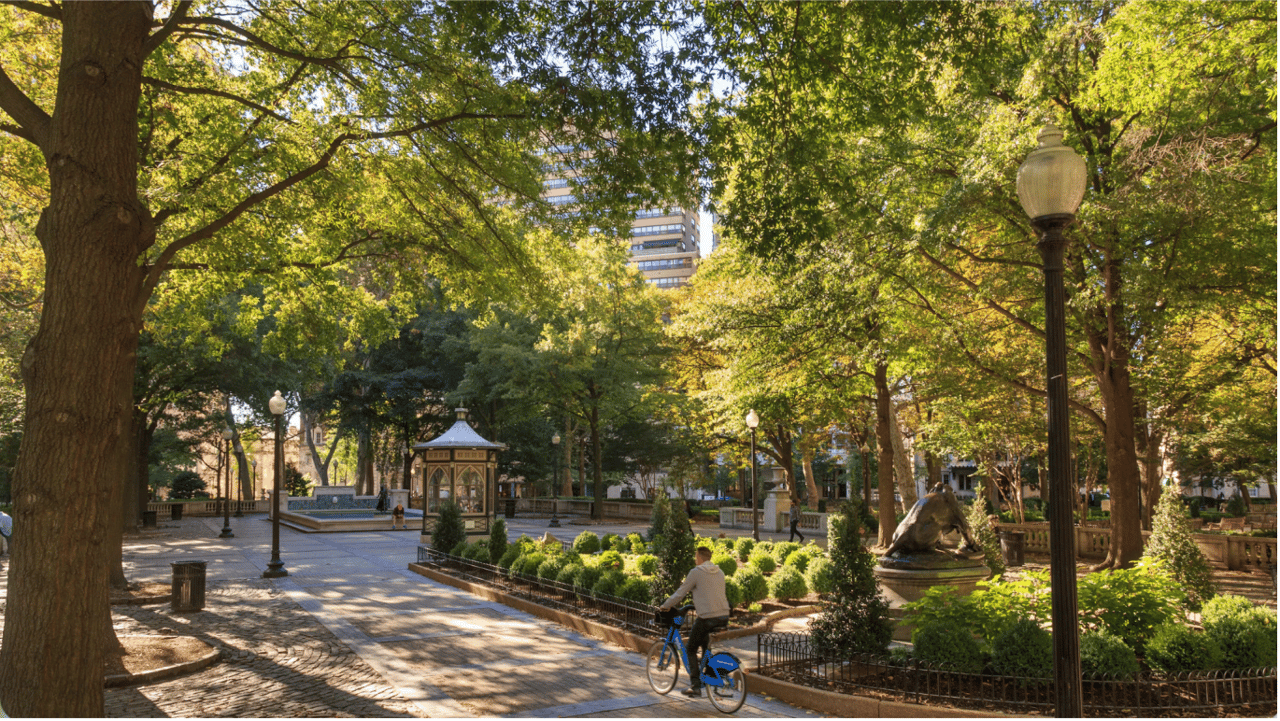
Visit Philadelphia describes Queen Village as walkable and bikeable, with mature trees and easy access to historic sites. That combination often appeals to buyers who want city living with a more rooted, residential feel.
Queen Village has deep historical roots tied to Southwark, one of Philadelphia’s earliest settled areas. According to the Queen Village Neighbors Association, the neighborhood was renamed in the 1970s in honor of Sweden’s Queen Christina.
That history is not just trivia. It still shows up in the street pattern, the scale of the housing, and the presence of major landmarks that connect present-day neighborhood life to Philadelphia’s colonial past.
One of the clearest examples is Gloria Dei, also known as Old Swedes’ Church, at 916 S. Swanson Street. Built between 1698 and 1700, it is identified by the National Park Service as the oldest church building in Pennsylvania.
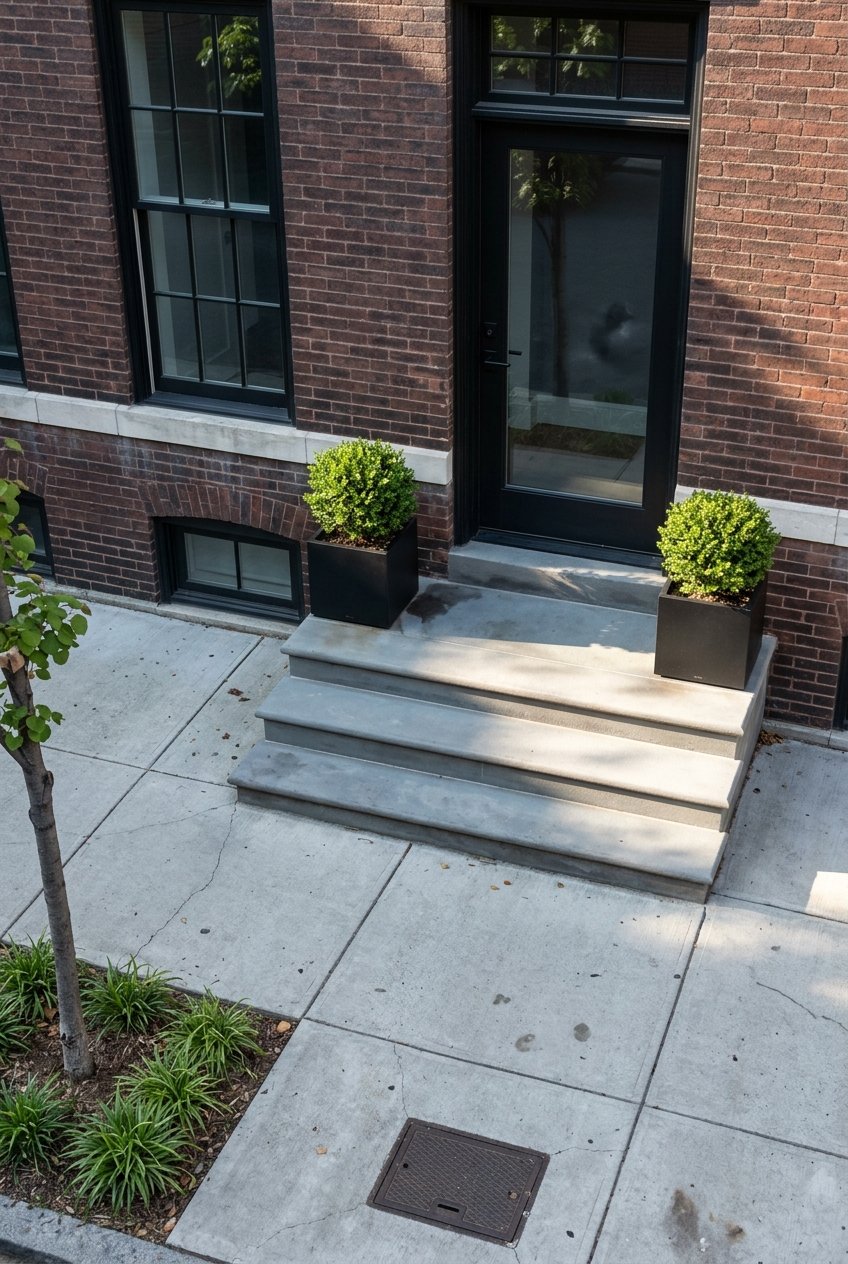
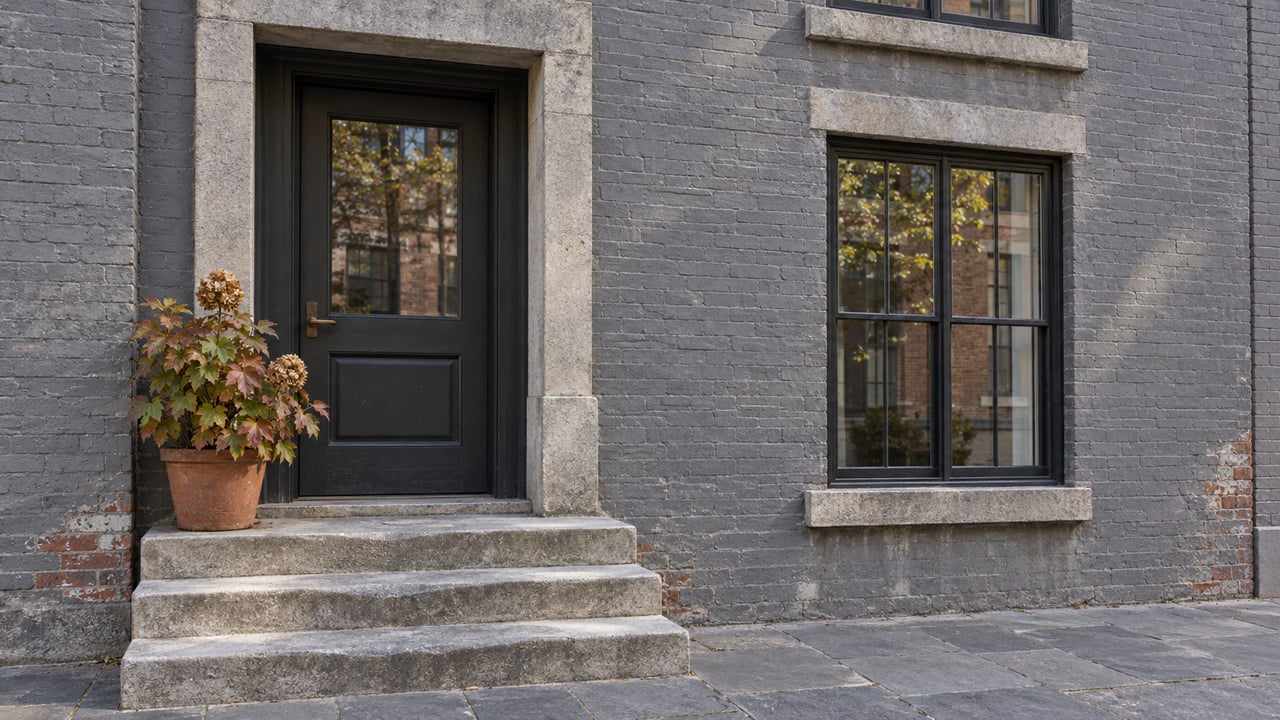
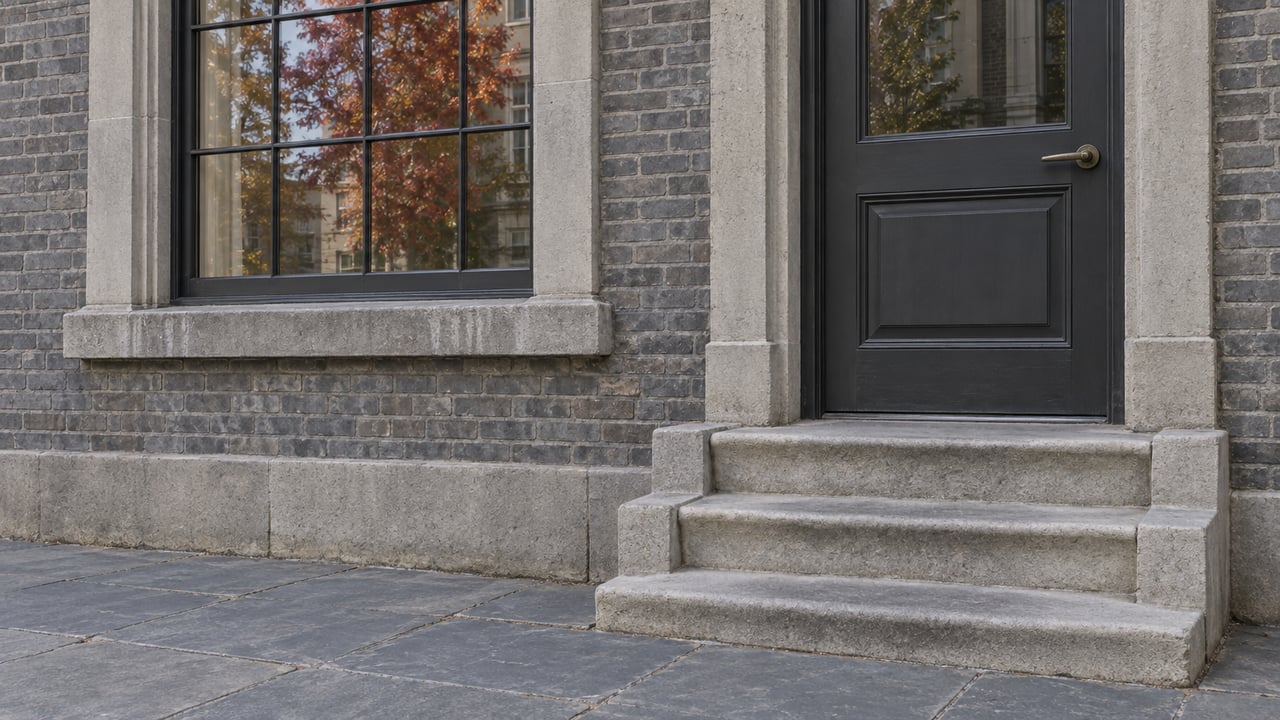
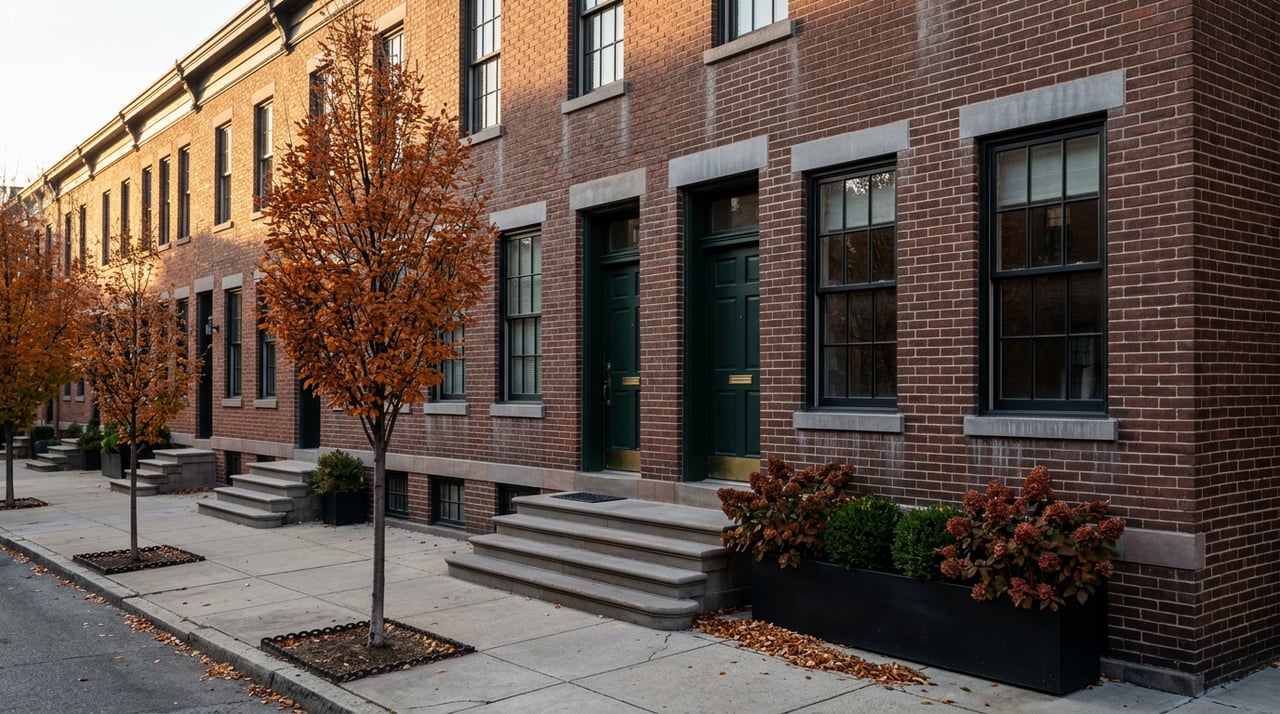
If you are considering Queen Village as a future home base, it helps to know that rowhouses define the neighborhood. The City of Philadelphia’s rowhouse manual notes that some of the city’s oldest rowhouses still stand here.
You will find trinity houses, double-trinity houses, and Federal and Georgian townhouses, along with later 19th-century rowhouse forms. In practical terms, that means attached homes with narrow fronts are common, but the look and feel can shift noticeably from one block to the next.
Some streets have a more intimate scale, while others offer taller facades or different lot depths. If you value architectural character, Queen Village gives you variety within a recognizable urban form.
One of the most useful ways to understand Queen Village is to think beyond the neighborhood name and focus on its smaller pockets. That matters because your day-to-day experience can vary depending on whether you are near a busier commercial edge, a park, or a quieter interior block.
For buyers, this is where neighborhood fit becomes more personal. Two homes may both be in Queen Village, yet offer very different surroundings, street activity, and proximity to local amenities.
A thoughtful home search here is often less about checking a broad neighborhood box and more about identifying the exact stretch that matches how you want to live.
In the center of the neighborhood, Bainbridge Green sits in the middle of Bainbridge Street between 3rd and 5th Streets. The Queen Village Neighbors Association notes that the site once served as Washington Market for nearby immigrant communities and today includes an active Indego bike station.
Just nearby, Fabric Row on South 4th Street between Bainbridge and Catharine streets remains one of Queen Village’s most recognizable commercial corridors. Textile-shopping traditions have continued there for more than a century, giving this part of the neighborhood a strong sense of continuity.
If you like the idea of living near an established retail spine without being directly in the busiest part of town, this pocket is worth attention. It captures the neighborhood’s mix of daily practicality and long-standing local identity.
The South Street edge of Queen Village has a different rhythm. The South Street Headhouse District says the business district includes more than 400 independent small businesses, with Headhouse Plaza on South 2nd Street serving as a central event-oriented anchor.
Compared with the quieter interior blocks, this area feels more active and more commercial. That can be a plus if you want immediate access to restaurants, shops, and neighborhood energy right outside your door.
For some buyers, this edge feels exciting and convenient. For others, the better fit may be a residential block a few streets deeper into Queen Village, where the pace tends to feel calmer.
Queen Village’s parks and pocket greens play a major role in how the neighborhood lives. The Queen Village Neighbors Association highlights Mario Lanza Park, Jefferson Square Park, Shot Tower, Weccacoe Playground, Beck Park, Moyamensing Point, and Bainbridge Green among its local open spaces.
These smaller green areas help break up the density of rowhouse blocks. They also contribute to the sense that Queen Village is not one continuous corridor, but a collection of places with their own texture and rhythm.
Mario Lanza Park stands out in particular. Its friends group describes it as one of the neighborhood’s oldest and most historically significant public green spaces, with several London plane trees among the oldest in the city, plus a dedicated dog park.
Cianfrani Park, at 8th and Fitzwater on the neighborhood’s western edge, adds another useful green stop and has hosted free summer concerts. If outdoor space matters to your routine, these parks can shape which part of Queen Village feels most comfortable to you.
For many buyers, charm alone is not enough. You also need a neighborhood that works in real life.
Visit Philadelphia notes nearby SEPTA bus access and a nearby L line connection, which supports day-to-day practicality. Combined with the neighborhood’s walkable and bikeable layout, that gives Queen Village a transportation profile that can work well for buyers who want flexibility without relying on a car for every errand.
This is part of why Queen Village often appeals to relocators and city-minded buyers. You get a neighborhood with a strong historic identity, but also one that supports daily movement through the city.
If you are drawn to the idea of updating or renovating a home, there is an important detail to keep in mind. Portions of Queen Village fall within the Queen Village Neighborhood Conservation Overlay.
According to city rules and the Philadelphia rowhouse manual, that overlay helps preserve the street-facing character and block pattern of the area. In simple terms, exterior changes may face more constraints than they would in a newer neighborhood.
That is not necessarily a drawback. For many buyers, preservation standards are part of what protects the visual consistency and historic feel that made the neighborhood attractive in the first place.
Still, if you are renovation-minded, it is smart to evaluate not just the home itself but also the possible limits on exterior alterations. That step can help you align your vision with the realities of the property.
Queen Village can be a strong match if you want a neighborhood that feels established, layered, and visually rich. It may especially appeal to buyers who appreciate historic architecture, independent retail, bookstores, cafés, and the subtle differences between one pocket and the next.
It can also be a smart option if you are relocating and want a Philadelphia neighborhood that offers both lifestyle and context. Rather than feeling generic, Queen Village gives you a sense of place that tends to reveal itself over time.
The key is understanding that there is no single Queen Village experience. Your best fit may depend on whether you prefer park-adjacent living, a quieter side street, or faster access to the South Street and Headhouse corridor.
If Queen Village is on your shortlist, the best first step is to tour it with intention. Rather than making one quick pass, spend time walking through different sections so you can compare the neighborhood’s micro-pockets for yourself.
A practical self-guided route could include:
As you walk, pay attention to how each cluster feels. Look at housing scale, retail activity, green space access, and the overall pace of the block.
That kind of close read is often what turns a neighborhood from appealing in theory to compelling as a home base. In a place like Queen Village, the details matter.
If you are considering Queen Village and want a more tailored perspective on which blocks, housing types, and micro-pockets align with your goals, a private consultation can make the search far more focused. For curated guidance on historic Philadelphia neighborhoods and discreet buyer representation, connect with Jamie Smith Raphael.
Stay up to date on the latest real estate trends.
Lifestyle

Jamie Smith Raphael, a luxury real estate agent in the Philadelphia Area with a passion for her career and clients, brings extensive industry experience, skillfully handling transactions exceeding $150 million, always prioritizing an exceptional client experience.