
Center City's Restaurant Week Just Skipped Its Second Straight September. Here's What Actually Filled the Calendar.
September 10, 2026
September 10, 2026
If you've lived in Center City through a few Septembers, you probably have a small ritual built around Restaurant Week. Maybe it's the night you finally try the place two blocks over that's always booked, or the lunch you sneak in with a coworker because the two-course deal makes it easy to justify. For twenty-two years, that ritual had a fixed date on the calendar. This September, for the second year running, it didn't show up.
That's not a scheduling hiccup. Center City District confirmed in January that 2026 would be the year's only Restaurant Week, full stop, meaning no fall edition returns this September either. If you've been checking your email for a discount code that never arrived, you're not missing something. The program simply isn't there anymore.
What's more interesting than the absence is what has actually filled that space instead, because it isn't a smaller version of the same idea. It's a different kind of calendar altogether.
Center City District Restaurant Week launched in 2003 and ran twice a year, every fall and every winter, for twenty-two years straight. It became one of the more reliable anchors of the neighborhood's dining calendar. More than 100 restaurants would opt in each round, offering three-course dinners for $40 or $60 and two-course lunches around $20, discounts good enough that regulars planned entire weeks of meals around them.
Fall 2025 broke that streak for the first time in the promotion's history. A district spokesperson told local restaurateurs the fall edition wouldn't return, citing a shift toward newer programs. The reaction from the people running the actual kitchens was not subtle. Steven Sansone, executive chef of Porcini near 21st and Sansom, put it plainly to KYW Newsradio at the time:
"Philadelphia was built on restaurants. It's what we've built our name on. It's a restaurant town."
Sansone argued the fall window mattered precisely because it caught diners coming off summer vacation with money to spend and no discount push waiting for them. The district didn't reverse course. When Restaurant Week returned in January 2026, it ran as planned from the 18th through the 31st, later extended to February 4th after a major snowstorm, and the district confirmed it as 2026's only edition.
Center City District didn't frame this as cutting a program, it framed it as reallocating attention toward things it had already been building. The two most visible replacements are Let's Do Lunch, a weekday lunchtime deal series, and Open Streets: West Walnut, a car-free Sunday program along Walnut Street. Both had been running well before the fall Restaurant Week decision, but they got the promotional weight that the September dining discount used to carry.
The distinction matters more than it sounds. Restaurant Week was built to pull people downtown for a specific, limited-time deal, the kind of promotion aimed as much at outside diners as at anyone who already lives here. What replaced it isn't built the same way at all.
Here's what a Center City resident is actually working with this September and October, without a Restaurant Week discount code anywhere in sight:
Notice what's missing from that list: a discount code, a prix-fixe menu, anything asking you to spend less to show up. Let's Do Lunch, the district's other headline replacement, already wrapped its 2026 run in late August, weekdays only, built as a summer bridge rather than a fall fixture. By the time September arrived, it was gone too.
Line these programs up and a pattern emerges that has nothing to do with dining discounts. Restaurant Week asked you to come downtown because a deal expired soon. Fringe asks you to walk two blocks to a venue you pass every day and see something you'd never planned on. Open Streets asks you to spend a Sunday on a street you already cross without a car in your way. The Fall Market asks you to browse Dilworth Park, which sits at the foot of City Hall, on a weekend you'd probably be near there anyway.
None of that requires convincing an outside visitor to make a special trip. It's programming built for people who are already circulating through Center City on a normal week, not people who need a discount to justify showing up. That's a meaningfully different bet than the one Restaurant Week made for twenty-two years, and it's worth knowing if you've been wondering why your fall feels different from the one you remember.
If you're used to letting September announce itself with a reservation email, this is the year to build a different habit. Check the Fringe lineup for something within walking distance, catch the march through Center City on the 13th if you're out that Sunday, and put October 9 through 11 on the calendar for Dilworth Park before the vendor list fills in. The neighborhood didn't get quieter this fall. It just stopped waiting for you to need a reason to be here.
If you're thinking about what a home in this part of the city could look like for your own daily routine, or you're weighing a sale and want a read on how these shifts in neighborhood programming shape buyer interest, Philly Luxe Living is a good place to start that conversation.
Stay up to date on the latest real estate trends.
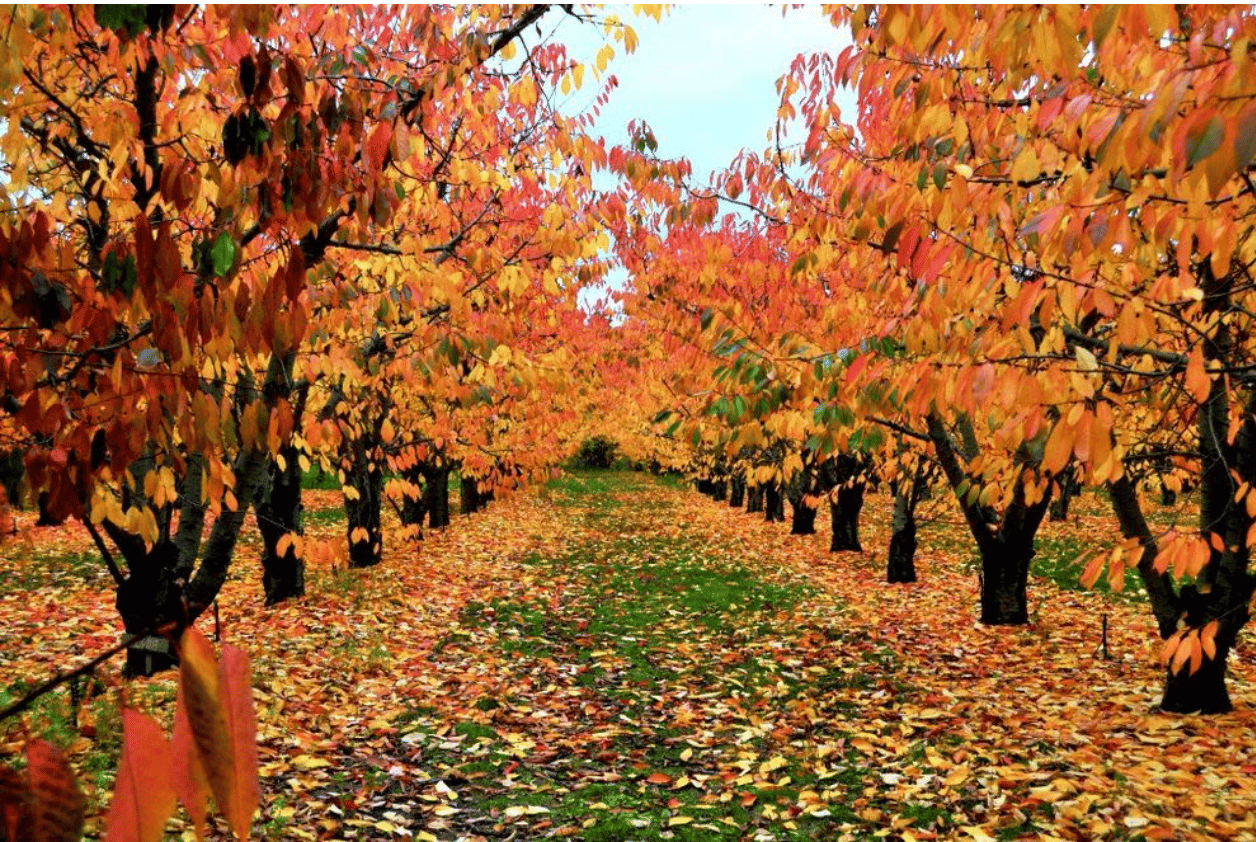
3 Best Places to Go Apple Picking Near Philadelphia & Bucks County in Fall 2026
Jamie Smith Raphael, a luxury real estate agent in the Philadelphia Area with a passion for her career and clients, brings extensive industry experience, skillfully handling transactions exceeding $150 million, always prioritizing an exceptional client experience.