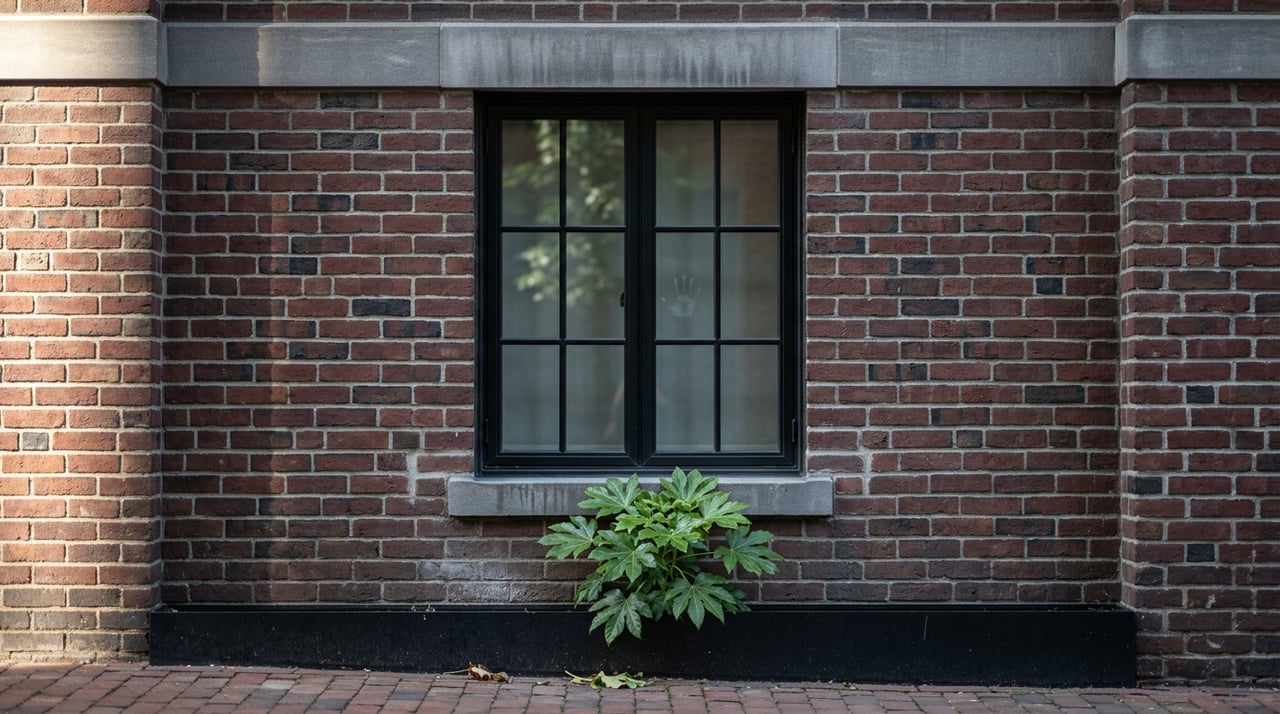
Bella Vista Has No Historic District. That Changes What You're Actually Buying.
September 3, 2026
September 3, 2026
On a Friday morning in November 2017, a preservation architect named Larry Weintraub stood before the Philadelphia Historical Commission and made his case for a 126-year-old church on Christian Street in Bella Vista. The building had terracotta trim, red sandstone, and a sanctuary overtaken by mold and rot. A developer had it under contract for $1.5 million with plans to clear the lot for new townhomes. Weintraub's argument was simple: buildings like this one do not get built again. A preservationist named Oscar Beisert had filed an emergency nomination to add the church to the city's historic register days after the sale went public, the only tool available to stop the demolition clock.
The nomination did not save the church. Despite a year of hearings, a failed effort to find a preservation-minded buyer, and a public protest as the wrecking date approached, the building came down. The developer walked away from the site once the demolition was finished.
That sequence matters to anyone shopping for a rowhouse in Bella Vista today, because it reveals something the neighborhood's postcard streets do not advertise. Bella Vista looks like a protected historic district. It is not one.
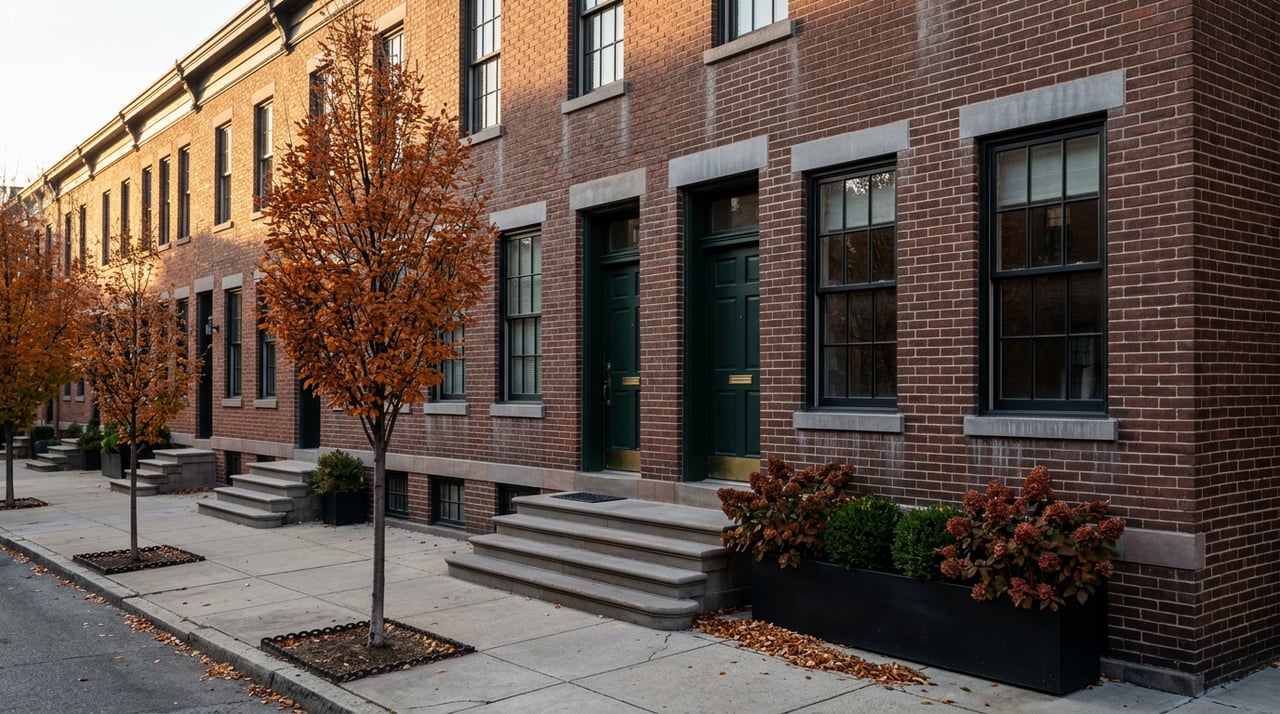
Walk down any block between 6th and 11th Streets and the visual cues all point the same direction: red brick rowhomes, Trinity houses, historical markers, a National Register presence scattered throughout. It reads like Society Hill or Old City, neighborhoods where a citywide historic district review governs what an owner can do to a facade.
Bella Vista skipped that step. The Bella Vista Neighbors Association says so directly on its own preservation page: the neighborhood has no historic district, and only a handful of individual properties carry the local register designation that would trigger Historical Commission review. Protection here does not come from a district boundary drawn around the whole neighborhood. It comes one building at a time, through a volunteer-driven nomination process that BVNA itself describes as reliant on a small group of people who happen to notice a building is threatened before it is too late.
BVNA has run as an all-volunteer Registered Community Organization since 1992. Its own committee page is blunt about the math: the group's stated goal is to "proactively catalogue" buildings that might qualify for register status, because right now, most of the neighborhood simply is not on anyone's list.
The distinction is not academic. It determines which office reviews your renovation plans and how long that review takes.
| Question | Individually Listed Property | Most Bella Vista Rowhomes (Unlisted) |
|---|---|---|
| Historical Commission review required for new windows, doors, or a roof deck? | Yes | No |
| Review required for a rear addition or facade change? | Yes | No |
| Can it be demolished with a standard permit? | No, requires Historical Commission approval first | Yes |
| How does a property get this status? | Individual nomination, voted on by the commission | Default for the overwhelming majority of the neighborhood |
The city's own guidance confirms how lightly most projects move through the system: Historical Commission staff approve more than 90 percent of building permit applications without ever referring them to the full commission. For a listed property, that review is mandatory. For a typical Bella Vista rowhome, zoned RSA-5, RM-1, or one of the neighborhood's commercial CMX categories, that layer of review does not exist at all. BVNA's own zoning page notes that building materials and architectural design elements are not governed by the base zoning code, and the neighborhood currently has no conservation overlay that would fill that gap.
In plain terms: unless your specific address is on the register, nobody outside the Department of Licenses and Inspections is checking whether your renovation preserves the block's character.
This is not a settled question the neighborhood worked through years ago. It is an active one.
City planning staff met with the Queen Village Neighbors Association, the South Street Headhouse District, and groups representing Bella Vista, Society Hill, and Washington Square West starting in August 2024 to discuss remapping zoning along South Street between 11th Street and Front Street to a mixed-use CMX-3 designation, with buildings allowed up to 65 feet. A formal proposal followed in an August 2025 presentation. The draft explicitly carves out an exception: historically designated and purely residential buildings would be excluded from the new rules.
That single clause is the whole argument in miniature. Whether a building counts as "historically designated" still decides whether it gets special treatment or gets folded into whatever the neighborhood becomes next. BVNA president Eugene Desyatnik has said publicly that some residents would rather keep requiring variances for South Street development than hand developers easier by-right approval. The same tension that played out at Christian Street Baptist Church in 2017 is playing out again, at neighborhood scale, in 2026.
Bella Vista is not a cooling market. As of June 2026, the median sale price across all home types in the neighborhood was $564,804, up 8.9 percent from a year earlier. Rising prices raise the incentive for a developer to buy an aging structure, tear it down, and build something that sells for more. In a neighborhood where most buildings have no legal shield against that outcome, a beautiful block today is not a guarantee about the block in five years.
Before you write an offer, a few questions are worth asking that most listing sheets will not answer for you:
None of this is a reason to avoid the neighborhood. It is a reason to treat "historic character" as a current condition rather than a permanent one, and to ask your agent to check the register rather than assume the postcard streets come with paperwork behind them.
The same gap that creates risk for a buyer creates flexibility for an owner. A rear addition, a roof deck, new windows, even a full gut renovation move through Licenses and Inspections without the added design review that a listed property or a district-protected neighborhood like Society Hill would require. One well-documented case from a renovation platform involved a full gut rebuild of a fire-damaged Bella Vista rowhouse, work that proceeded through the standard city permit process because the property was not individually listed.
If you are preparing to sell a rowhome you have already renovated, that lighter review process is worth mentioning to a buyer directly. It is one of the reasons renovation timelines in Bella Vista tend to move faster than in Center City's formally designated historic districts, and it is a legitimate selling point for a property that has already been brought up to modern standards without a years-long approval fight.
Does Bella Vista have any historic protection at all? Yes, but only for the small number of individual buildings that have gone through a formal nomination to the Philadelphia Register of Historic Places. There is no district-wide designation covering the neighborhood as a whole.
How do I find out if a specific address is protected? The Philadelphia Historical Commission maintains the register and reviews project applications through the city's eCLIPSE portal. Commission staff can also be reached directly at (215) 686-7660 for a property-specific check before you make an offer or file a permit.
Does this affect what I can build or renovate on my own property? If your property is not individually listed, most exterior work, additions, and renovations go through standard Licenses and Inspections review without an added Historical Commission step. If it is listed, plan for that additional review before you set a renovation timeline.
Understanding which side of that line a property falls on is the kind of detail that gets missed in a fast-moving Bella Vista market and matters at every stage of a transaction, from the offer to the renovation to the eventual resale. If you are evaluating a Bella Vista property, or trying to understand what your own home's status means for a future sale, Philly Luxe Living can walk through the specifics with you before you sign anything. Request a private consultation to get the full picture on a property you're considering.
Stay up to date on the latest real estate trends.

3 Best Places to Go Apple Picking Near Philadelphia & Bucks County in Fall 2026
Jamie Smith Raphael, a luxury real estate agent in the Philadelphia Area with a passion for her career and clients, brings extensive industry experience, skillfully handling transactions exceeding $150 million, always prioritizing an exceptional client experience.